English



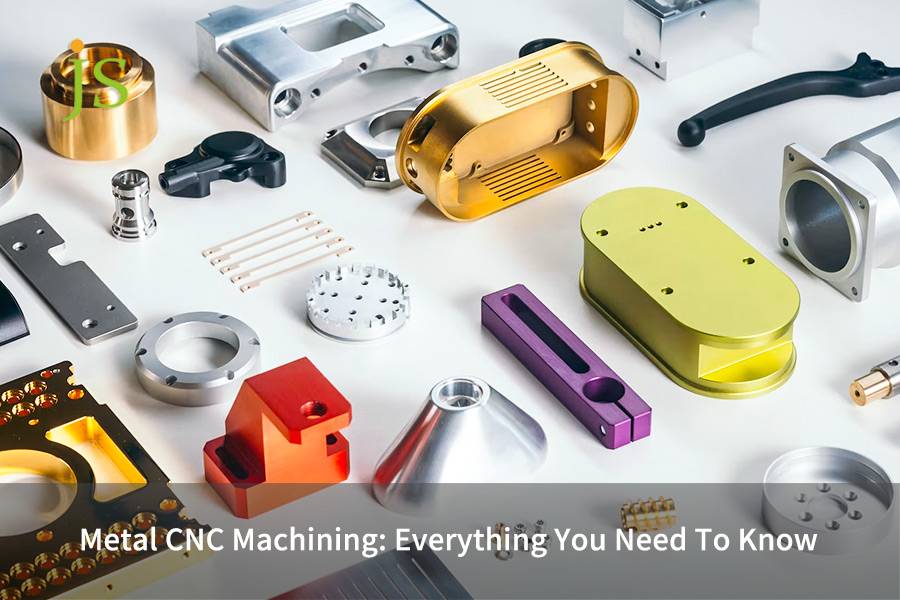

Metal CNC machining is not just about running the machine, it is about how different aspects such as the nature of the metal, toolpaths, and other variables can influence whether a part will be successful or not.
Recognizing the difficulties of CNC machining is a key step in making sure that the project moves forward and that the budget is kept in check.
Here, we will thoroughly discuss the usual difficulties you may face while metal CNC machining inand also share a list of very practical ways to help you keep away from errors in machining that can cause you huge losses.
Key Answers Overview
| Core Dimensions | Key Answers | Value for You |
| Material Selection | Al is quick and inexpensive. Ti is strong but machining it is a nightmare, and tool wear is very fast. | Choose materials according to the working conditions not to both pay for extra features and to work in an unsuitable condition that will result in scrapping. |
| Precision Control | Among the various causes of machining errors, thermal deformation accounts for more than 30% alone. So to eliminate this, thermomechanical and compensation techniques are necessary. | Make sure your precision level is maintained so there won't be any dimensional deviations during mass production. |
| Difficult-to-Machine Materials | The 3 core elements of titanium alloy machining are: a low but constant speed, a big coolant volume and sharp-edged tools. | Master the core techniques of CNC machining titanium to significantly improve tool life. |
| Cost Optimization | DFM intervention during the design phase (such as standardized fillets and hole diameters) can reduce costs by 20%. | Control the overall cost of aluminum CNC machining service from the source. |
Key Takeaways
- Precision Threshold: In metal machining, ±0.01mm is the precision dividing line. To reach this accuracy, a temperature-controlled workshop and online measurement compensation are necessary. As a result, machining costs can be increased by 25% or more.
- Material Characteristics: Aluminum machining speeds can be as high as 500-2000m/min, but for titanium alloy, the speeds should be strictly kept at 60-80m/min.
- Hidden Costs: It has been estimated that 8-12% of the overall project costs come from ill-fitting clamping plans and repeated inspections of non-core processes.
- Cost Reduction through Design: Design changes, such as not using hole sizes that are not standard (<2.5mm) or wall thicknesses that are very thin (<0.8mm), can lead to a direct decrease in tooling costs of 20-30%.
Why Trust This Guide? JS Precision's Metal CNC Machining Experience
JS Precision has over 15 years of practical experience in metal CNC machining, focusing on high-precision CNC machining of metal parts and serving global customers in over 20 industries such as aerospace, medical equipment, and high end automobiles.
We have provided more than 100,000 complex machining solutions and isolated over a thousand typical problems such as vibration marks in titanium alloy machining, thin walled deformation in aluminum alloys and thermal errors in precision parts.
Our machine shop has more than 40 five-axis machining centers, Zeiss coordinate measuring machines, and other high end equipment that gives us the ability to repeatedly attain a machining accuracy of ±0. 005mm. Both aluminum CNC machining and CNC machining titanium have standardized the process systems we have implemented.
When it comes to precision control, our temperature-controlled workshop system is based on ASTM B348 standards and it therefore keeps temperature fluctuations within ±1℃, thus from an environmental perspective we totally get rid of thermal deformation errors.
With our CNC machining titanium, tool wear problems are addressed and for Ti-6Al-4V machining, tool life is increased by 2. 5 times and we are able to improve machining efficiency by 30% compared to the industry average.
We carry out high pressure cooling in aluminum CNC machining which is capable of controlling the Ra value of surface roughness of parts under 0.8μm and the yield rate is maintained above 99. 7%.
All the tips and solutions in this guide are derived from our real-world machining cases and accumulated processes, not theoretical derivations.
If you want to quickly assess whether your project faces machining risks, contact JS Precision engineers immediately for a free project process assessment, allowing our professional team to proactively avoid pitfalls for your project.
What Exactly Is Metal CNC Machining And Why Is It So Challenging?
Metal CNC machining refers to a set of machining methods controlled by computers that convert metal blanks into high-precision parts through operations such as turning and milling. Automation, accuracy, and repeatability are the principles of this method, yet metals' physical properties pose several problems in machining.
Force, Heat, and Deformation of Metal Cutting
The core difficulty of metal cutting is the coupling effect of cutting force, cutting heat, and residual stress, which is specifically manifested as:
- The cutting force inducing tool deflection, thereby having an immediate impact on the accuracy of part machining.
- The high heat from the cutting process (800-1000℃) may cause the workpiece's thermal expansion, leading to deviations in measurements.
- The stress redistribution in the material resulting in post-machining part deformation.
What is making cutting heat the most significant problem for CNC machining accuracy?
More than 80% of cutting heat is taken away by the tool and chips, leaving 20% reaching the workpiece and causing it to thermally expand (for example, a 100mm aluminum component will increase in size by 0.023mm if its temperature goes up by 10℃, which is sufficient for parts with a tolerance of ±0.01mm to be out of the range).
ISO 8062 states that the issues caused by cutting heat account for over 60% of the total mistakes in CNC metal machining. Good thermal management is crucial for ensuring accuracy.
Aluminum Vs. Titanium: How To Choose The Right Metal For Your CNC Machining Project?
The primary factor in deciding between aluminum and titanium revolves around performance, cost, and delivery time. Their machining gone characteristics differ so much that the choice of material can improve project efficiency by a large margin.
Aluminum alloy: a perfect balance between speed and cost
Aluminum alloys are the main material for metal processing. They can be cut at speeds from 500 m/min to 2000 m/min and the feed per tooth ranges from 0.1 mm to 0.3 mm. Main aluminum grades and their typical use cases:
- 6061 Aluminum: Easily machined inexpensive the most widely used for parts that are not subject to high stress.
- 7075 Aluminum: Very strong but also very stressed, needs to be stress relieved after machining, is used for parts of consumer electronics and vehicles.
Titanium Alloy: Why is it associated with being hard to machine?
Titanium alloys have a thermal conductivity which is only 1/6 of that of aluminum. More than 80% of the cutting heat gets concentrated on the cutting edge resulting in a fast tool wear. The work hardening is so severe that the wear rate is more than tripled when the cutting speed is over 80 m/min.
If we talk about the titanium alloy that is most often used, the one that is called TC4, cutting speed of 40-60 m/min and tool clearance angles of 14°-17° are exactly the ones that are recommended.
Although difficult to machine, it has high strength and strong corrosion resistance, making it suitable for aerospace, medical implants, and other applications with stringent performance requirements.
| Material Type | Cutting Speed (m/min) | Thermal Conductivity (W/mK) | Recommended Tool Clearance Angle (°) | Raw Material Cost (USD/kg) | Machining Efficiency (Relative) |
| 6061 Aluminum Alloy | 500-2000 | 205 | 8-10 | 3-8 | 100% |
| 7075 Aluminum Alloy | 400-1800 | 130 | 8-10 | 5-10 | 85% |
| Ti-6Al-4V Titanium Alloy | 40-60 | 7.2 | 14-17 | 75-120 | 15% |
| Pure Titanium Grade 2 | 50-70 | 16.8 | 12-14 | 60-90 | 20% |
Inform JS Precision of your project performance requirements and cost budget, and our engineers will calculate the comprehensive machining cost of aluminum and titanium materials for you free of charge and provide optimal material selection recommendations.

Figure 1: Two groups of precision metal parts are displayed on a brushed metal surface: three ball bearings on the left and a cluster of stainless steel flanges on the right, showcasing high-quality machining finishes.
How Can Your Design Choices Make Or Break Metal CNC Machining Efficiency? (DFM)
The metal CNC machining efficiency and cost have a significant impact right at the design stage. On one hand, a rational design will make the machining work easier and help save costs, on the other hand, a misguided design may result in scrapping the parts and skyrocketing the costs. DFM is the main medium that links design and machining.
The design optimization should be built around the three main core dimensions:
- Wall thickness and cavity depth: The minimum wall thickness is ≥0.8mm for aluminum alloys, ≥1.0mm for steel, and ≥1.2mm for titanium alloys, the ratio of cavity depth to width is no more than 3:1.
- Fillets and hole diameter: The inner fillet radius is at least 130% of the tool radius, hole diameter should ideally be chosen from standard specifications such as Φ3 and Φ4.
- Tolerance marking: The use of quality honing tolerances (e.g. ±0.01mm) for the main surfaces and medium tolerances (e.g. ±0.1mm) for those which are not very important.
How Does Quality CNC Machining Inc Achieve ±0.01mm Tolerances?
The metallic machining process demands precision measurements to three dimensions which need machines and environmental controls to function together with thermal management and compensation systems.
Thermal Management: Machine Tool Warm-up
Machine tools experience thermal expansion of their spindle and guideways through micron dimensions after they achieve thermal equilibrium following their initial cold start.
The Z axis of a vertical machining center expands thermally between 0.015 and 0.025mm which exceeds the accuracy requirement of ±0.01mm within 30 minutes after the machine starts.
The suppliers need to run their warm-up program for 30 minutes after equipment activation to achieve dimensional stability during the machining process.
Compensation Technology: How to Correct Dimensional Drift in Real Time with Online Measurement?
The main solution for dimensional drift exists through the process of online measurement compensation. The blank position needs to be measured by the probe before machining to establish automatic alignment.
The system conducts real-time monitoring of critical dimensions while simultaneously correcting tool wear to prevent production errors. The machining process of a 10mm hole requires tool wear of 0.01mm during the process which needs immediate adjustment.
Environmental Control: The Necessity of a Temperature-Controlled Workshop for Precision Machining
Using ±0.01mm as the limit of accuracy for machining one must ensure that the temperature changes within the workshop are not more than ±1℃. The expansion of aluminum, steel and titanium is different because of their thermal expansion coefficients, even a very small temperature difference will cause the material to change shape.
JS Precision's temperature controlled workshop has a constant temperature of 20±1℃, so it is able to keep the error of the titanium alloy precision parts within ±0.005mm.
Schedule a visit to JS Precision's high-precision machining workshop to learn firsthand about Quality CNC Machining Inc's precision control system and witness the entire machining process achieving ±0.01mm accuracy.

Figure 2: A close-up of a precision measuring probe with a red tip descending towards a machined aluminum cylindrical component on a worktable for dimensional inspection.
How Does Aluminum CNC Machining Service Prevent "Built-Up Edge"?
Built-up edge is a fairly common problem when machining aluminum alloy. It can cause unsatisfactory surface roughness, lower dimensional accuracy and in some cases even tool breakage. There are several methods to prevent it effectively:
- Use end mills specially designed for aluminum: 12°-15° rake angle, polished cutting edge with polishing grooves to reduce friction and facilitate smooth chip removal.
- Use high-pressure cooling: High pressure cooling of 20-70 bar strikes the cutting area, helps chip removal and cools the area quickly.
- Tweak the machining parameters: Linear speed > 500 m/min. Feed per tooth > 0.1 mm to prevent aluminum chips from melting.
Obtain JS Precision's "Optimal Parameter Table for Aluminum Alloy CNC Machining," covering mainstream alloys such as 6061 and 7075, and directly apply it to improve machining quality.

Figure 3: A close-up view of a CNC drilling operation, with a rotating drill bit creating white chips as it precisely enters a black metal workpiece.
Why Is CNC Machining Titanium Considered a Specialized Challenge?
CNC machining titanium is a specialized challenge in metal processing, characterized by low thermal conductivity, high hardness, and work hardening properties, which require extremely high requirements for processes, equipment, and cutting tools. Mastering the three core tactics enables smooth processing.
Tactic 1: Constant Chip Load
Trochoidal milling maintains a fixed contact angle between the tool and titanium alloy through circular interpolation which prevents traditional milling from introducing impact loads that cause tool wear while achieving 30 percent higher machining efficiency and extending tool lifespan by two to three times. This serves as the primary method for machining titanium.
Tactic 2: Tool Coating and Geometry
- The industry prefers AlTiN coated tools because their high-temperature hardness and thermal barrier effect protect cutting edges from contact with titanium alloy materials.
- Uncoated tools wear 0.02mm per 50mm when machining Ti-6Al-4V, while coated tools wear 0.02mm per 200mm.
- The tool clearance angle should be ≥14° to reduce friction and improve chip removal.
Tactic 3: Rigid System and Extensive Cooling
CNC machining titanium demands that all components which include machine tools and tool holders and clamping systems must maintain complete rigidity throughout all operational directions. The insufficient rigidity of a system permits parts to develop both vibration marks and micro-cracks.
The coolant requires a special nozzle system which delivers over 30L/min to the cutting area for effective heat removal that decreases tooling temperatures.
Why Do CNC Machining Metal Parts Fail? Common Defects And Their Root Causes
The process of machining metal parts will result in defects which occur due to machine failures. The primary defects include chatter marks and thin-wall deformation and dimensional errors.
The method of identifying primary problems and solving them enables a yield rate increase that exceeds 90 percent.The incidence, impact, and cost of resolving different machining defects vary significantly.
The following table presents core data from industry testing for your reference:
| Defect Type | Occurrence Rate (%) | Scrap Rate (%) | Resolving Cost (USD/piece) | Prevention Investment (USD/piece) | Loss Recovery Rate (%) |
| Chatter Marks | 38 | 22 | 12-18 | 2-3 | 85 |
| Thin-Wall Deformation | 27 | 35 | 25-35 | 4-6 | 78 |
| Dimensional Errors | 21 | 31 | 18-25 | 3-5 | 90 |
| Tool Chipping Defects | 10 | 8 | 8-12 | 1-2 | 92 |
| Other Defects | 4 | 4 | 5-10 | 1-2 | 80 |
Root Causes and Countermeasures for Three Core Defects:
- Chirping Marks: The reason lies in too much tool overhang and weak clamping. Limit the overhang to less than or equal to 4 times the tool diameter and make the clamping more rigid.
- Thin wall Deformation: The central reason is the release of residual stress. After rough machining, it is necessary to carry out stress relief and only after that is finish machining with vacuum chuck clamping used.
- Dimensional Deviations: The main cause is tool wear and lack of thermal equilibrium. Proper tool adjustment is needed to maintain the thermal balance between the machine tool and the workpiece.
Cost Vs. Quality: What Should You Expect From a Professional Aluminum CNC Machining Service?
The core of choosing professional aluminum cnc machining service is to balance cost and quality. Low quotes often omit key processes and instead increase overall costs. Understanding the supplier's cost composition and delivery standards can make rational choices.
Price Breakdown: Material Costs, Machine Time Costs, Tooling Amortization, and Inspection Costs
The price for aluminum alloy parts processing consists of five parts: material costs (20-30%), machine time costs (30-40%), tooling amortization (10-15%), inspection costs (10-15%), and packaging and transportation costs (5%).
Companies that offer low prices to customers will use inspection and tooling resources at reduced levels which results in inferior product quality.
Hidden Costs: Rework, Delays, and Trust Loss
Non professional suppliers will incur substantial hidden expenses because their rework costs will be between two to three times higher than the initial processing expenses which also results in postponed deliveries and loss of customer confidence. A project done correctly the first time has a total cost that is more than 40% lower than a rework project.
Reasonable Expectations: What Should a Professional Supplier Provide?
Professional suppliers must provide complete deliverables which include qualified parts to prove their product traceability. JS Precision's standard deliverables include: a full size CMM inspection report, material certificate, applicable heat treatment report, and detailed process flow chart.
JS Precision Case Study: Adaptive Machining Saves 95% Of Aerospace Parts From Scrap
A global aerospace industrial group encountered extreme challenges in CNC machining titanium when manufacturing large, tortuous titanium alloy structural components. The entire project faced imminent failure because traditional machining methods could not create the required components and would produce scrap material.
The client experienced a successful solution through JS Precision which created an adaptive machining system that achieved an industry milestone.
Problems Encountered
1. Severe Part Deformation: The titanium alloy blank twisted because internal stress release caused it to exceed traditional clamping limits, which made it impossible to perform exact machining operations.
2. Delivery Cycle Crisis: The project delivery cycle, which followed traditional CNC machining of titanium methods, predicted a 20-week duration that did not meet the project milestones established by the client.
3. Extremely High Risk of Scrap: Preliminary calculations showed that traditional processes would lead to a 95% scrap rate which would result in losses of hundreds of thousands of dollars.
4. Extremely Difficult Clamping: The required manual alignment process for each titanium alloy blank consumed 3 days of work time, but the resulting alignment process did not guarantee accurate results which caused the machining efficiency to drop to extremely low levels.
Solution
After JS Precision's intervention, a specialized technical team was immediately formed to introduce an adaptive machining solution based on online measurement, to accurately solve the distortion problem of titanium alloy structural components.
- A 5-axis probe was used to perform full-size online detection of the blank, which included direct scanning of the actual position and distortion pattern of the part through thousands of measured points.
- The automatic compensation algorithm used by the system compared the measured model of the blank with the theoretical design model to create a compensation machining path which corrected distortion deformation errors in real time.
- The system used independent dynamic coordinate systems to establish different feature areas of the cnc machining metal parts, which allowed proper dimension control within established tolerance limits.
- The machining process received complete optimization which reduced the original three-day manual alignment task down to five minutes while achieving an effective "measure once, process a batch" system.
Final Results
The adaptive processing scheme has achieved significant results:
- The delivery cycle has been reduced from 20 weeks to 3 days, and the efficiency has been improved by about 4667%.
- The scrap rate has decreased from 95% to almost zero, and all 20 of the first batch of parts are qualified.
- To avoid hundreds of thousands of dollars in scrap losses for customers, the comprehensive procurement cost has been reduced by more than 60%, and a new solution has been provided for the processing of complex aerospace parts.
Share your challenging metal CNC machining project. JS Precision's specialized technical team will customize an adaptive machining solution for you, overcoming machining bottlenecks and reducing the risk of scrap.
FAQs
Q1: What is the optimal cutting speed for CNC machining aluminum parts?
The recommended cutting speed for aluminum alloy CNC machining is 500-2000 m/min. Tool coating and machine tool rigidity and cooling conditions require this system to receive adjustments. 6061 aluminum can be machined at higher speeds, while 7075 aluminum requires lower speeds.
Q2: Why is machining titanium alloy so expensive?
CNC machining titanium becomes expensive because titanium maintains only 1/6 of aluminum's thermal conductivity. The operation requires cutting speeds between 40 and 60 meters per minute which leads to both low operational efficiency and quick tool deterioration. Raw materials come at higher costs.
Q3:Can CNC achieve the part drawing tolerance of ±0.01mm with exact precision?
The process becomes possible through the use of perpetual temperature control at 1 degree Celsius and advanced machine tools and online measurement systems and dedicated equipment. Professional quality CNC machining inc can achieve this.
Q4: What to do about deformation during machining of thin-walled aluminum alloy parts?
Ideally, roughing and finishing should be performed at different times. After roughing, deformation of the workpiece should be relieved, with vacuum chucks employed at the finishing stage for the minimum clamping stress. The best recommendation is that the aluminum alloy wall thickness be designed to be 0.8mm.
Q5: What are some techniques for deep hole machining (depth-to-diameter ratio >3:1)?
In deep hole machining on metal CNC, a pecking drill cycle (G83) is used. The maximum drilling depth at each stage should not exceed the tool diameter 1-1.5 times. After each hole, the tool is retracted to remove chips and to cool.
Q6: How to determine if a CNC supplier is professional?
One way is by seeing if they can provide a CMM full inspection report, DFM analysis, material certificate, and also if they have complete process control documents and successful machining cases.
Q7: Why does sparking occur when machining TC4 titanium alloy?
Sparking at TC4 titanium machining is due to either the very high temperature of the chips that react to the tool coating or cutting at a speed that is too aggressive. Consequently, the speed should be lowered and the coolant should be aimed at the cutting zone.
Q8: How long does it usually take to start mass production after receiving samples from JS Precision?
Mass production is usually scheduled to be initiated within 2-4 weeks of sample approval. However, this timeline can be influenced by factors such as the availability of raw materials, the quantity of the order, and the nature of the CNC machining operations required for the components.
Summary
Metal CNC machining is a combination of a series of activities that integrate materials science, mechanical engineering, and control theory. The professional decisions made at each stage will significantly impact the project's quality and cost.
JS Precision, with its expert methodologies, top-notch machinery, and rich experience, is a trustworthy CNC machining metal partner.
If you are looking for an increase in productivity through aluminum CNC machining services or a technological revolution in CNC machining titanium, we can strike a perfect balance between performance and cost to help you finish your projects in an efficient manner without any hassle.

Disclaimer
The contents of this page are for informational purposes only.JS Precision Services,there are no representations or warranties, express or implied, as to the accuracy, completeness or validity of the information. It should not be inferred that a third-party supplier or manufacturer will provide performance parameters, geometric tolerances, specific design characteristics, material quality and type or workmanship through the JS Precision Network. It's the buyer's responsibility Require parts quotation Identify specific requirements for these sections.Please contact us for more information.
JS Precision Team
JS Precision is an industry-leading company, focus on custom manufacturing solutions. We have over 20 years of experience with over 5,000 customers, and we focus on high precisionCNC machining,Sheet metal manufacturing,3D printing,Injection molding,Metal stamping,and other one-stop manufacturing services.
Our factory is equipped with over 100 state-of-the-art 5-axis machining centers, ISO 9001:2015 certified. We provide fast, efficient and high-quality manufacturing solutions to customers in more than 150 countries around the world. Whether it is small volume production or large-scale customization, we can meet your needs with the fastest delivery within 24 hours. Choose JS Precision this means selection efficiency, quality and professionalism.
To learn more, visit our website:www.cncprotolabs.com
Resource