English



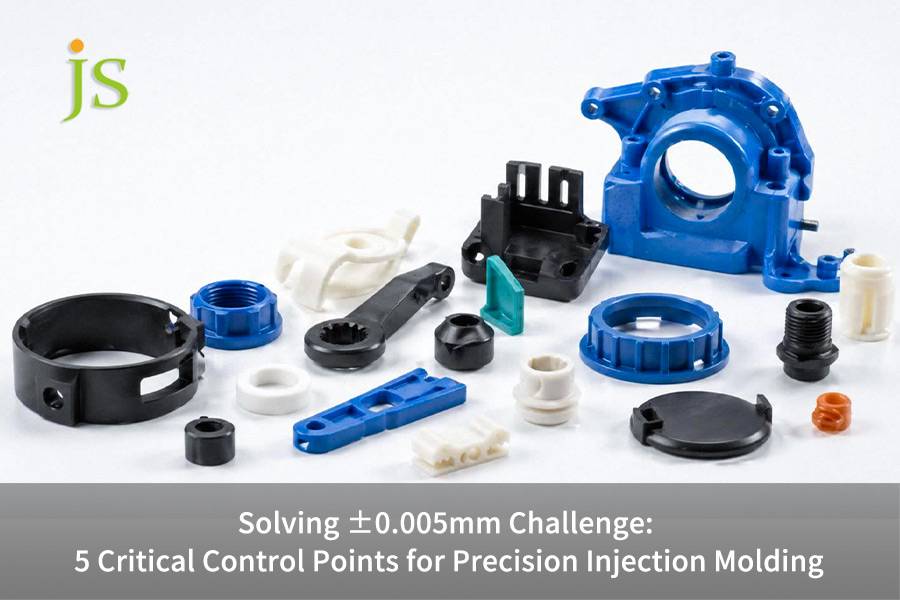

±0.005mm injection molding tolerance relies on the accurate elimination of temperature fluctuations in the mold, the drift of cavity pressure and resin thermal stress rather than on simply using the very expensive injection molding machines.
By limiting the difference in cavity temperature to ±0.3℃ with the SLM conformal cooling channels and by combining such cooling with the Kistler piezoelectric sensors for 2 ms-level of closed-loop pressure switching after injection/transfer stage, it is possible to do zero-defect production. Master 5 key control points for achieving ±0.005mm precision molding by reading this audit guide.
±0.005mm Injection Molding Tolerance Control Checklist
The core of directly achieving the ±0.005mm limit tolerance lies in the closed loop of cavity pressure and thermal balance.The following are the four core control dimensions and their key technical indicators for achieving a tolerance of ± 0.005mm.
|
Control Dimension |
Key Technology |
Target Value |
Verification Method |
|---|---|---|---|
|
Cavity Thermal Uniformity |
SLM 3D printed conformal cooling |
Temp delta ≤±0.3°C |
IR thermography + thermocouple array |
|
Melt Pressure Dynamics |
Kistler piezoelectric sensor 2ms closed-loop V/P switch |
Volumetric repeatability <0.03% |
Per-shot cavity pressure curve logging |
|
Resin Rheological State |
-40°C dew point vacuum dehumidification + 10°C/h step annealing |
Moisture content <0.015% |
Karl Fischer moisture titrator |
|
Rigidity & Inspection |
S136 hardened steel (HRC 52-54) + 20°C±0.5°C CMM |
Deformation <0.002mm, Cpk ≥1.67 |
CMM full inspection report |
Data sources: Standard tolerance classification reference from ISO 20457:2018; JS Precision measurement data of internal project JSP-AUTO-2025-042.
Conformal Cooling Channels Limit Mold Cavity Temp Delta to ±0.3℃ to Prevent Warpage
High precision injection mold design begins with the removal of cavity cooling dead zones. From our hands-on project experience, traditional drilling of cooling channels result in a POM gear mold temperature difference of ±2.5℃ that caused uneven ring shrinkage and roundness error of 0.008mm. Change to SLM conformal cooling reduced the gap to 0.3C and warpage completely prevented.
Traditional Drilled vs. SLM Conformal Cooling
|
Parameter |
Traditional Drilled Channels |
SLM Conformal Cooling |
Improvement |
|---|---|---|---|
|
Cavity surface temp delta |
±2.5°C ~ ±4.0°C |
≤±0.3°C |
>80% |
|
Cooling uniformity |
65% |
92% |
+27% |
|
Cycle time (typical part) |
38 sec |
29 sec |
-24% |
|
Applicable geometry |
Limited (straight holes) |
Fully conformal |
— |
Data sources: Channel data from Traditional Moldflow 2025 Plastic Flow Analysis Technical White Paper; measurement data for SLM from JS Precision JSP-AUTO-2025-042.
Engineering Standards Constraints on Mold Designs
Linear shrinkage for engineering plastics calibration must conform to authoritative standards only.
ISO 20457:2018 says: For injection molded components, tolerance grading should be done based on materials' shrinkage characteristics, mold designs that do not include shrinkage calibration are not appropriate for precision fit applications.
To be fully compliant with this standard JS Precision engineering department relies on Moldflow to optimize the conformal cooling flow in our high precision injection mold tooling service and links separate PID mold temperature controllers to get rid of hot spots in deep cavities. For areas of high heat beryllium copper inserts are adopted which is three times higher than copper's and this method allows for high precision injection mold design to provide the most evenly thermal performance of a cavity at any given time.
In short word, with cavity temp delta locked within ±0.3℃ shrinkage consistency is guaranteed which makes all subsequent control points meaningful.
Want to confirm whether your mold can achieve ±0.3℃ temp delta? Just send us your 3D CAD drawing at JS Precision without any obligation to enjoy the benefits of our free conformal cooling DFM review and take action early against any possible warpage problems.
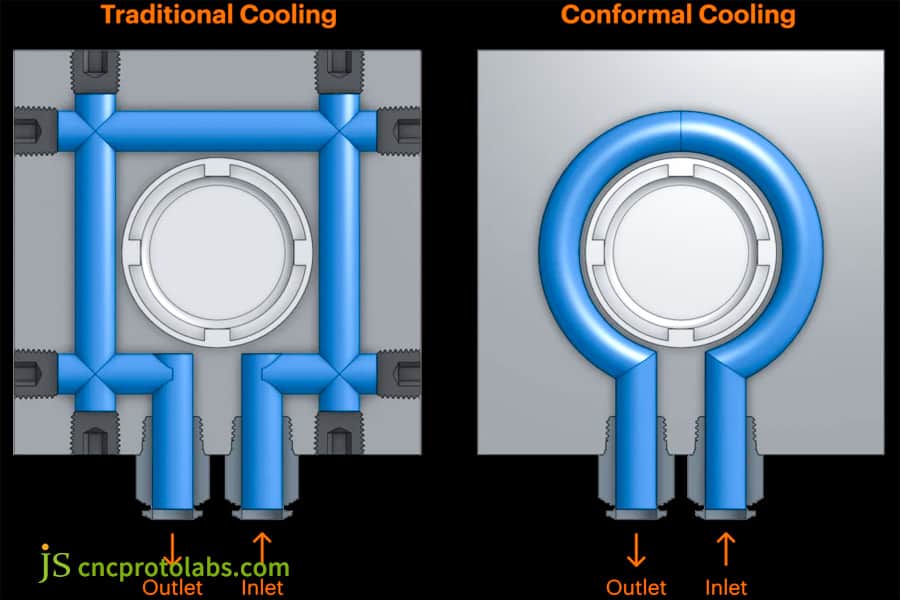
Figure 1: Conformal vs traditional cooling in molds for ±0.3°C temp delta.
Real-Time Cavity Pressure V/P Switchover Eliminates Batch Melt Viscosity Variations
Cavity pressure closed-loop enables precision plastic injection molding manufacturer to overcome the biggest bottleneck caused by fluctuations in the melt flow index (MFI) of the plastic material from one batch to the next.
Benefits of Cavity Pressure Closed-Loop
- Direct true cavity condition monitoring: Kistler piezoelectric sensors embedded at the end-of-runner and thin-wall areas acquire cavity pressure peak 2ms apart.
- Pressure adjustment via intelligent computation: A deviation in the Peak Cavity Pressure from the target will result in an almost immediate fine adjustment in the holding time by the control system to counter the viscosity change.
- Self-checking capability of data: During JS Precision's 2025 output of 50,000 micro-connectors using Kistler 2ms closed-loop V/P switch per-part weight variation went from ±0.28% down to ±0.025%, while the dimensional range remained ≤0.003mm. Injection molding quality control at such a high level is required when tight tolerances are called for.
Quality SOP
- Minimum 1 sensor to monitor cavity pressure, extra sensors in thin wall zones of the mold.
- Sensor calibration to zero every 1,000 parts, drift must be less than 0.5%.
- Record cavity pressure of the last closed shot as a tool to measure process capability using statistical process control (Cpk).
Cavity pressure closed-loop is similar to putting a blood pressure monitor directly into the mold, the system makes immediate adjustments if the pressure is out, rather than waiting until after a part comes out of the machine and the problem is revealed.
Interested in finding out which cavity pressure configuration is most suitable for your project? Reach out JS Precision engineers for personal consultation and you'll be kept at a shot-to-shot level within ±0.005mm through the closed-loop system.
Desiccant Resin Drying and Thermal Annealing Stabilize Post-Molding Dimensions
In order to achieve ±0.005mm injection molding tolerance, pretreatment of the material is absolutely necessary. PEEK, PPS, PA66 and other engineering plastics are very susceptible to presence of moisture. If the moisture content exceeds 0.02%, there will be a hydrolysis degradation that results in the molecular weight dropping as well as a change in shrinkage rate.
Standard Basis for Poly-amide Conditioning
Pre-treatment of engineering plastics must be per world standards.
ISO 1110:2019 indicates: This document describes a method for the accelerated conditioning of polyamide and copolyamide test specimens, applicable to grades containing fillers and other additives, but not grades containing more than a mass fraction of 2% extractables.
Drying & Annealing SOP
- -40℃ dew point vacuum dehydration: Maintain the resin's moisture content under 0.015% to prevent hydrolysis
- Pre-powdered uniform compound packages: When the material contains glass fibers, mixing the compounds beforehand gets rid of the direction-dependent shrinkage
- Stepwise annealing process: After the part is shaped in the mold, it shall be put into a cooling oven where temperature decreases steadily to the same final target temperature at the rate of 10/hour for a period of stress relief. Only a top-quality custom precision injection molding supplier with strict quality control standards can assure dimension stability of molded parts.
Annealing procedure: Heat until you are about 10 degrees Celsius below the Tg of the material, then hold for 1 hour; cool from the high heat to room temperature at a rate of 10 degrees per hour in the presence of nitrogen; carry out CMM measurements within 24 hours after annealing to prevent moisture interference.
In short,plastic molding without prior drying is the same as sending products with hidden damages. It is likely that the dimensional features will drift away much later.
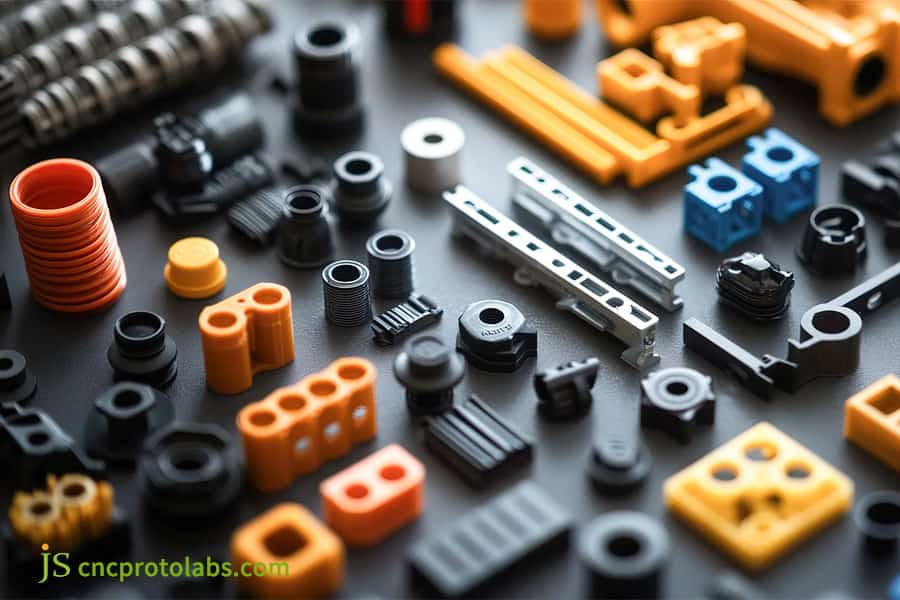
Figure 2: Resin drying and thermal annealing stabilize post-molding dimensions.
Hardened Steel Cavities and Rigid Mold Frames Prevent Parting Line Deflection
To prevent elastic deformation of the mold during high pressure, custom precision injection molding supplier should verify that the mold has sufficient strength. With 300T clamping force combined with >1800bar injection pressure, standard mold steel may have a parting line opening of more than 0.01mm, which results in flash (excess material) and out-of-tolerance dimensions.
Material Selection & Structural Design
- Steel selection: either the Japanese Daido NAK80 or the Swedish Stavax S136 has been selected and triple cryogenically treated + annealed to bring the hardness to HRC 52-54. The choice indicates high precision injection mold design philosophy that is very precision oriented and is willing to make long term stability as a major consideration even at the cost of a higher price.
- FEA-optimized support pillar arrangement: support pillars in the back of the template can be used to minimize the maximum deflection to <0.002mm.
- Tie bar tension calibration: Measure elongation of four tie bars using dial indicators. This ensures that the clamping force is applied equally everywhere.
Deformation Control Data
|
Mold Component |
Conventional Deformation |
JS Precision Optimized |
|---|---|---|
|
Parting line gap |
0.010–0.020mm |
<0.002mm |
|
Core axial displacement |
0.008–0.015mm |
<0.0015mm |
|
Platen parallelism |
0.02mm/m |
<0.005mm/m |
Data source: JS Precision 2025 JSP-AUTO-2025-048 project measurements.
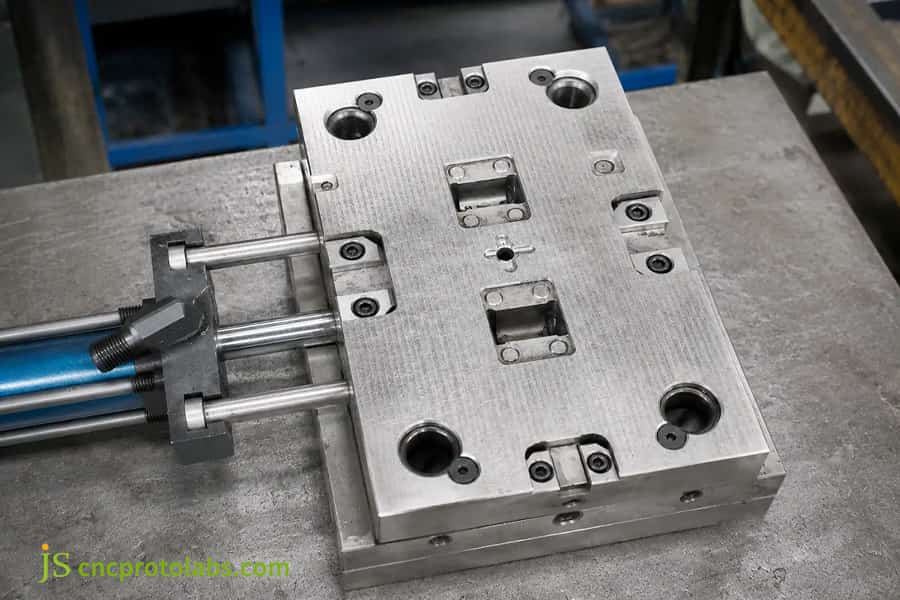
Figure 3: Hardened steel cavities and rigid frames prevent parting line issues.
Climate-Controlled CMM Inspection and Optical Probes Eliminate Metrology Errors
Inspection is the last line of defense for precision injection molding service. Workshop temperature variations, probe pressure, and incomplete stress relaxation are all capable of causing false out of tolerance readings, resulting in discard of good parts that were wrongly deemed as out of tolerance.
Inspection Risks & Countermeasures
- Soft plastic probe indentations: Probe contact causes POM, TPE and other plastics to have approximately 0.005mm impressions, which could result in inaccurate measurements. Use a non-contact Zeiss white-light interferometer with contact force <0.05N trigger.
- Temperature change: The size variation induced by 1℃ temperature difference between part and measuring room may reach 0.01mm for part of 100mm POM length. Keep part under room temperature 20℃±0.5℃ constant environment for at least 24 hours before measurement.
- Relaxation delay of internal stresses: Internal stress of freshly demolded products has not yet totally relaxed, 24-hour resting is needed to ensure the most reliable measurements. Comprehensive injection molding quality control requires consideration of these environmental variables in every measurement.
Inspection SOP
- Log temperature curve upon room entry, confirm thermal equilibrium.
- Measure each part 3 times, take average, reject outliers.
- Issue Cpk ≥1.67 report with per-shot cavity pressure curves.
Looking for a Cpk report that gives your clients with genuine peace and satisfaction?Download the JS Precision CMM inspection report template and see how we demonstrate the compliance of every batch via hard evidence at ±0.005mm level.
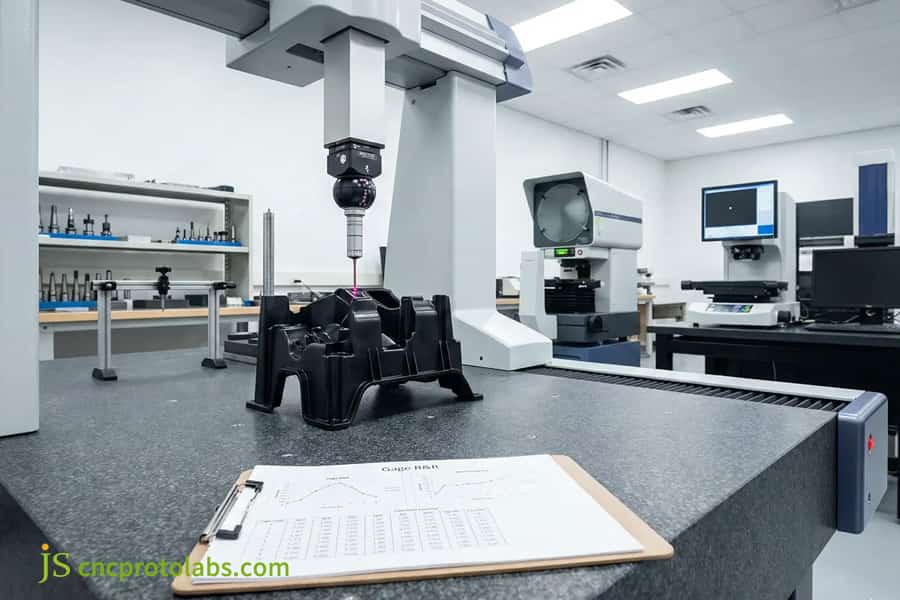
Figure 4: Climate-controlled lab with CMM and optical probes for metrology.
JS Precision Case Study: Mass Producing Automotive Micro-Gears Within ±0.003mm
Precision plastic injection molding manufacturer will demonstrate their true technical ability during ongoing production. This example illustrates how JS Precision assisted a Tier-1 supplier to resolve an issue of drift of POM gear inner diameter.
Customer Pain Point
The POM gears produced by the last supplier varied in inner diameter due to a change in workshop temperature, resulting in dimensional drift up to ±0.012mm. This caused a 22% scrap rate and assembly jamming at the transmission.
JS Precision Solution
- Mold improvement: S136 steel + SLM conformal cooling system, bringing temp differential from ring to core down to 0.2℃.
- Cavity pressure feedback system: Micro piezoelectric sensor installed at core base, millisecond-level holding switch based on peak cavity pressure.
- Material property optimization: -45℃ dew point dehumidifier + pre-drying hopper, residual moisture <0.01%.
- Inspection verification: Zeiss CMM non-contact probe at 20℃±0.5℃ full inspection. This well-integrated solution illustrates the highest standards of precision injection molding tooling service that can be achieved in practice.
Lessons learned from mistakes:
We found out that T1 trial molding didn't take into account the thermal shrinkage delay during gear ejection, which resulted in 0.008mm roundness error. The team afterwards corrected ejector cooling dwell time and pin layout to remove completely ejection stress deformation.
Final Quantified Results
- Dimensional stability: 100,000 continuous parts, the inner diameter tolerance was kept constant at ±0.003mm~±0.004mm (Cpk=1.74).
- Scrap rate: The scrap rate decreased dramatically from 22% to 0.05%.
- Annual savings: The cost saving amounted to more than $180,000.
Does your micro component have similar limitations? Contact us right now by email or fill out our form and attach your 3D CAD drawing so that our engineers do a free DFM analysis for you with a report and a quote for precision molding.
Key Engineering Factors Influencing Precision Injection Molding Cost Quotes
Precision injection molding cost quote is not simply material multiplied by weight, it is a combination of four main aspects. Understanding the basis of these factors allows making wise sourcing decisions that maximize ROI.
Four Cost Dimensions Breakdown
|
Cost Dimension |
Key Drivers |
Typical Range |
Cost Reduction Path |
|---|---|---|---|
|
Tooling |
S136 steel, SLM channels, sensors |
$18,000–$50,000 |
DFM wall optimization reduces steel usage |
|
Material |
PEEK/PPS/LCP high-end resins |
$85–$150/kg |
Select right grade, avoid over-engineering |
|
Labor |
All-electric machine, temp controller |
$45–$75/hour |
Shorter cycle time (conformal cooling -20%) |
|
QC |
CMM full, Cpk analysis |
$0.5–$2/piece |
Combine sampling & full inspection |
Data source: JS Precision 2025 quotation database statistics.
Cost Reduction Logic
- DFM optimization: wall thickness is decreased from 3.0mm to 2.0mm, the cycle time is cut by 25% and the part cost is reduced by 18%.
- Mold sharing: the design of mold allows multiple part variants to be manufactured from the same mold, spreading NRE cost for different parts.
- A JS Precision experience: DFM wall optimization has enabled customers to decrease their cost by 15%. The main advantage of an precision injection molding service provider is that we provide transparency through which you can get the exact breakdown of your cost.
Simply put, the value of precision molding lies in its process control rather than the material. DFM optimization helps JS Precision reduce the per-part cost by 15% and also ensures the dimensional accuracy of ±0.005mm.
Why Partner with JS Precision for Precision Injection Molding Projects?
Selecting a precision plastic injection molding manufacturer directly determines project success. With 15+ years of precision manufacturing experience, JS Precision has become the long-term partner of numerous Tier-1 suppliers.
JS Precision Core Competencies:
- Hardware foundation: Complete all-electric injection machines with tonnage of 30T-500T, Kistler cavity pressure systems, our own mold workshop, Zeiss CMM lab maintained at constant temperature.
- Delivery commitment: Each shipment will contain a CMM inspection report, a Cpk analysis report (Cpk 1.67), and a material CoA.
- Quality certification system: ISO 9001:2015 and IATF 16949 which guarantee process control. Together with this advanced system, JS Precision has established itself as a top precision injection molding company serving very difficult automotive and medical applications.
FAQs
Q1: What is the absolute practical tolerance limit for a Precision Injection Molding Service?
With PEEK or LCP, a precision injection molding service can reach a dynamic machining limit of ±0.005mm. Among the essential technologies are cavity pressure closed-loop control, SLM conformal cooling, and climate-controlled CMM inspection. Send your part drawing to JS Precision for an accurate, tailor-made quote at such tight tolerance.
Q2: How does JS Precision control part shrinkage for tight-tolerance molded components?
Moldflow simulation, sub-zero (dew point) drying, real-time cavity pressure V/P switch, ±0.3℃ conformal cooling control are the factors that we use to prevent shrinkage differences in molded parts.
Q3: Why are closed-loop cavity pressure sensors necessary for high precision injection mold design?
Through this, the sensors detect the actual cavity pressure of the melt in the mold rather than depending upon the position. The viscosity variations across a batch can be compensated this way and tolerance of ±0.005mm can be maintained precisely.
Q4: How do you calculate the Precision Injection Molding Cost Quote for complex geometries?
This cost includes mold steel (S136), conformal cooling sensors resin, machine labor, and inspection (CMM) costs. DF wall thickness optimization helps lower initial expenditure.
Q5: Which engineering resins are best suited for achieving ±0.005mm Injection Molding Tolerance?
You will be best served by low-volume and isotropic shrinkage resins like PEEK,PPS,LCP, and glass-fitted PPA which are most suitable for sustaining ±0.005mm in injection molded parts. The hygroscopic nylons would require thorough conditioning to avoid expansion.
Q6: Why is traditional mold cooling insufficient for a Custom Precision Injection Molding Supplier?
Traditional channels leave zones where the mold will not be properly cooled, which in turn causes part warping. A top-tier custom precision injection molding supplier controls temp delta within ±0.3℃ by implementing conformal cooling via SLM 3D printing.
Q7: What quality documentation does JS Precision deliver with precision molded production lots?
Together with parts precision molded we deliver a complete package quality control of injection molding: CMM inspection, Cpk statistical report (Cpk 1.67), raw material Certificate of Analysis, and production parameter logs.
Q8: How does post-molding annealing help stabilize part dimensions?
Post-molding annealing is a process that takes out the internal stresses created by high injection pressure.Polymers crystallize at a controlled rate under slow temperature changes which in turn keep dimensional instability and the subsequent dimensional drift under control.
Summary
Getting the ±0.005mm injection molding tolerance done right is only possible if one integrates all aspects: the cavity thermal uniformity, a closed-loop pressure switch, resin drying and annealing, mold frame rigidity, and climate-controlled inspection systematically. Working with an experienced precision molding team is how these control points become standard production SOPs.
Ready to solve your hardest dimensional puzzle? Get in touch with JS Precision, or send us your 3D CAD drawing to quickly get a professional 3D model report together with a clear quote on precision mold work, and all of this in just 24 hours!

Disclaimer
The contents of this page are for informational purposes only. For JS Precision Services, there are no representations or warranties, express or implied, as to the accuracy, completeness, or validity of the information. It is the buyer's responsibility to identify specific technical requirements and request a formal parts quotation. Please contact us for more information.
JS Precision Team
Custom manufacturing solutions. With over 15 years of experience serving more than 1,000 customers, we specialize in high-precision CNC machining, sheet metal fabrication, 3D printing, injection molding, and metal stamping. Having successfully delivered over 300,000 precision parts, we maintain a 99.2% on-time delivery rate across all custom projects.
Our facility is equipped with over 100 state-of-the-art 5-axis machining centers and is ISO 9001:2015 certified. We deliver fast, efficient, and high-quality manufacturing solutions to B2B clients across 150 countries. Whether you require low-volume prototyping or large-scale customization, we support your project with lead times as short as 24 hours. Choose JS Precision for unparalleled efficiency, quality, and professionalism.
To learn more or submit your RFQ, visit our website: www.cncprotolabs.com
Resource