English



/01
Premium Vacuum Cast Components
Our process utilizes engineered resins and rigorous quality control to ensure high-fidelity reproduction, excellent surface finishes, and consistent mechanical properties for functional parts.
We deliver precision vacuum casting using silicone molds and engineering-grade resins to produce functional prototypes and low-volume end-use parts with complex geometries and high dimensional stability, ideal for robotics, medical devices, and consumer electronics.
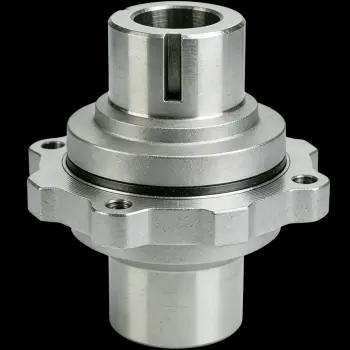
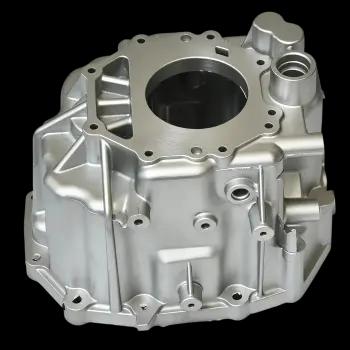
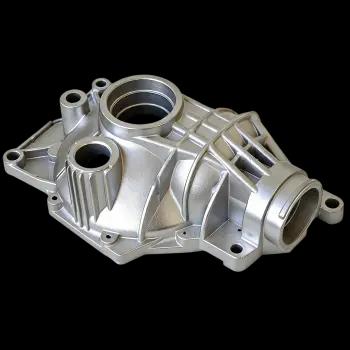
Upload Your Design & Get an Instant Quote Now!
Get instant pricing, project lead times, and DFM feedback
STEP | STP | SLDPRT | STL | DXF | IPT | X_T | X_B | 3DXML | CATPART | PRT | SAT | 3MF | JT files
File size: 15MB
Trusted by Engineers and Purchasing Leaders at the World's Most Successful Companies









JS Precision provides metal casting services. With 15+ years of experience, we ensure a 98.8% on-time delivery rate and maintain a defect rate of ≤1.2% to achieve reliable manufacturing.
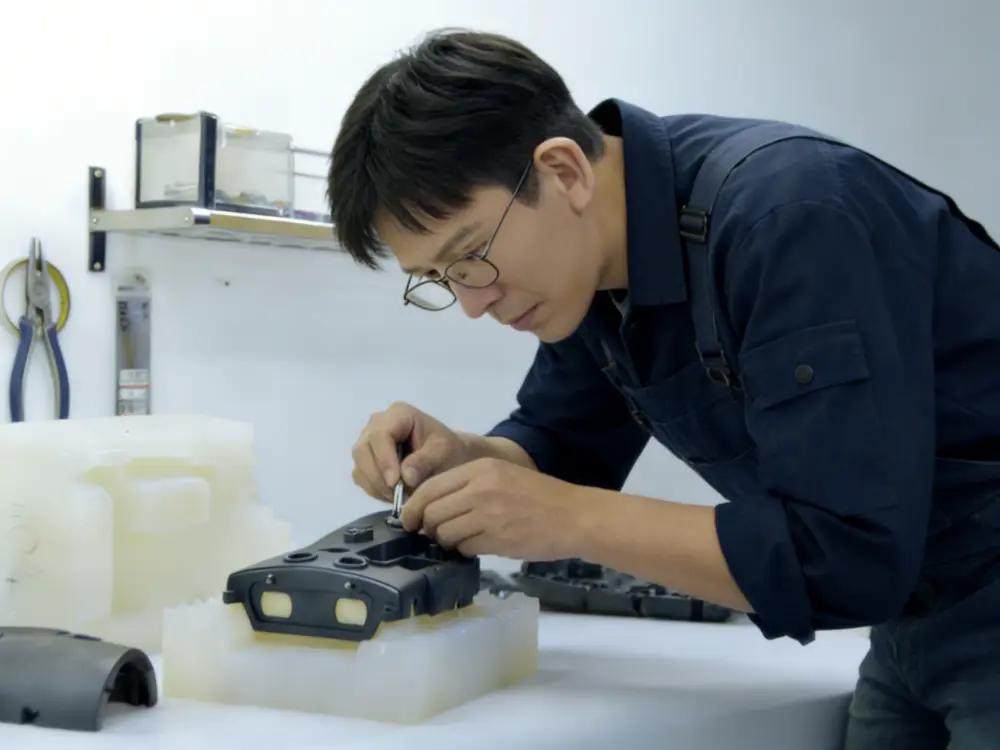
Vacuum casting is a specialized manufacturing process that uses silicone molds and engineered polyurethane resins to produce high-fidelity prototypes and low-volume production parts. It is ideal for applications requiring complex geometries, fine surface finishes, and functional material properties.
Our vacuum casting services encompass master pattern preparation, silicone mold fabrication, precise PU resin casting, and professional finishing. The process achieves tight tolerances (±0.15 mm per 100 mm) and replicates intricate details for consistent, production-quality results.
This method enables rapid prototyping, functional testing, and cost-effective small-batch manufacturing. Key benefits include fast turnaround, material versatility that mimics engineering-grade plastics.
Our precision urethane casting service delivers high-performance prototypes and production parts for functional validation and low-volume manufacturing. Utilizing ISO-certified processes, we achieve tight tolerances down to ±0.10mm and rapid lead times from 5 days. We offer extensive material selection in polyurethane and silicone, with professional finishing, tailored for automotive, electronics, and industrial applications.
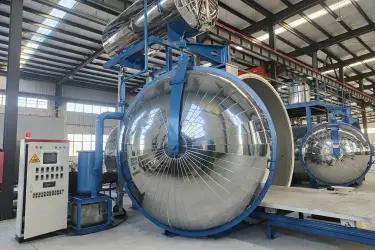
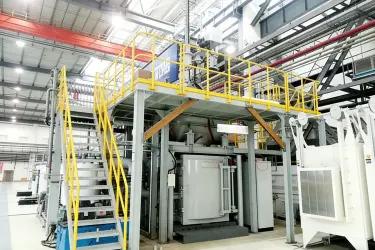
| Capability | Specifications |
|---|---|
| Tolerance | Our precision casting process is ISO 2768 compliant. We consistently achieve local tolerances of ±0.12mm and critical features like fine holes to ±0.08mm for reliable part performance. |
| Color and Finishing | We offer expert custom finishing, including color matching, textures, and both matte or gloss surface treatments tailored to your product requirements. |
| Maximum Part Size | We accommodate large-scale components up to 2.0 x 1.2 x 0.7 meters, suitable for substantial prototypes and end-use parts in various industrial applications. |
| Daily Capacity | Our optimized production workflow supports a daily output of up to 150 high-fidelity cast parts, ensuring scalable solutions for low to mid-volume manufacturing needs. |
| Lead Time | Our service provides accelerated timelines. Standard lead time ranges from 5 to 10 working days, encompassing the complete process from mold fabrication to final casting and quality inspection. |
JS Precision delivers integrated vacuum casting and manufacturing solutions, ensuring a seamless product development cycle from initial concept to final production.

Leverage additive manufacturing for rapid, cost-efficient iteration. Produce tangible models for dimensional and surface validation without hard tooling investment.

Generate 1 to 100 high-fidelity prototypes using production-grade materials. Ideal for rigorous functional testing of assembly, mechanical properties, and real-world performance.

Execute small-batch runs for market launches or bridge manufacturing. Deliver 20 to 500+ production-quality parts with uniform consistency and accelerated timelines.

Scale efficiently with our injection molding services for high-volume output. Achieve consistent part quality and optimized unit costs for full-scale manufacturing.
Select high-performance silicone and polyurethane materials that simulate final product properties for prototyping and low-volume manufacturing.

The industry-standard choice for vacuum casting applications, offering an ideal balance of flexibility for complex geometries and stability for consistent part quality.
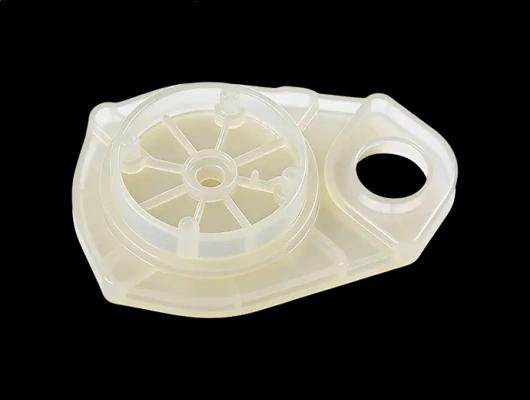
For flexible components, soft surfaces, and cushioning.
Note: Selecting the optimal die casting material is critical, based on application, geometry, environment, and budget. Contact our engineers for a data-driven solution.
At JS Precision, our commitment to quality is integral to every stage of the vacuum casting process, upheld by rigorous systems and international certifications including ISO 9001:2015 and IATF 16949.
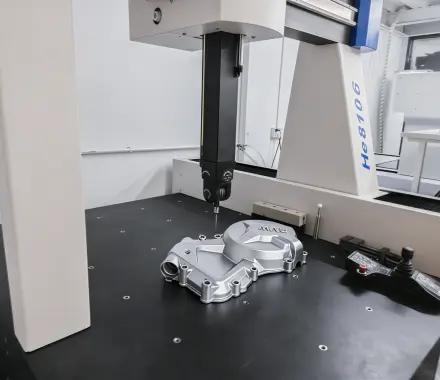
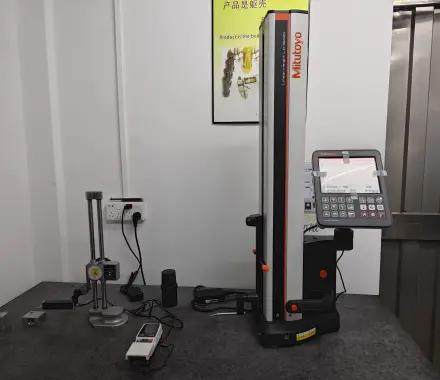
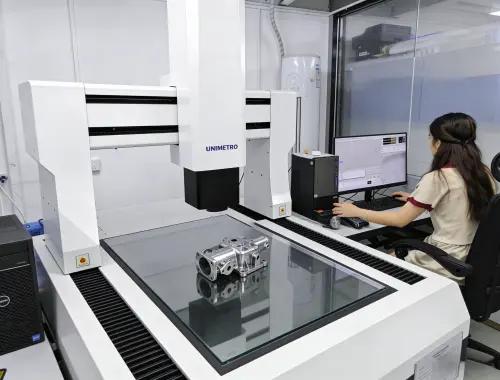
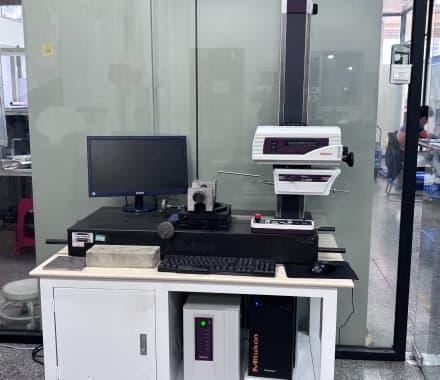




We utilize industry-leading inspection equipment for definitive component validation. Our process integrates 3D scanning systems for comprehensive geometry analysis, precision CMM for critical tolerance verification, and specialized tools for detailed surface and hardness evaluation.
Each component undergoes a multi-stage testing sequence to ensure specification compliance and functional reliability. Our protocols include precise material verification, mechanical property testing, environmental resistance checks, and application-specific performance validation.
We maintain over 95% first-article inspection pass rates. Our commitment ensures that any part not meeting stringent quality requirements is remedied promptly. Every component is fully documented and approved prior to shipment.
JS Precision delivers vacuum casting solutions, combining technical expertise with reliable timelines and dedicated support for every project phase, from prototyping to low-volume production.
Our process utilizes engineered resins and rigorous quality control to ensure high-fidelity reproduction, excellent surface finishes, and consistent mechanical properties for functional parts.
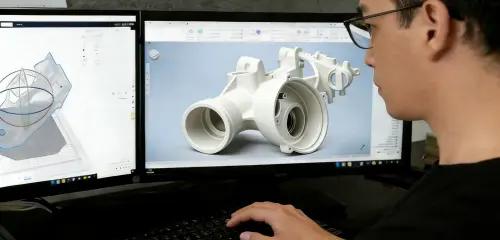
Benefit from an optimized workflow that delivers rapid turnarounds, with many standard projects completed within 5 to 10 business days from pattern to final part delivery.

Our engineering team provides actionable design for manufacturability feedback, material selection guidance, and process optimization to ensure cost-effective results.
Urethane casting, or vacuum casting, is a precision manufacturing service for producing high-fidelity plastic and rubber components. This efficient process is ideal for rapid prototyping and low-volume production, delivering parts with excellent detail and material properties.
JS Precision creates a master model using CNC machining for tight tolerances or industrial 3D printing for rapid iteration. This pattern defines the final part's quality and geometry.
Liquid silicone rubber is poured around the master pattern and cured to form a flexible, detailed mold. Once cured, the mold is carefully cut to release the master, resulting in a tool ready for casting.
Liquid polyurethane resin is mixed, degassed, and poured into the mold under vacuum to prevent defects. Curing takes 30 minutes to 2 hours. Each silicone mold can produce 1-10 high-quality parts per day, which may then undergo post-processing.
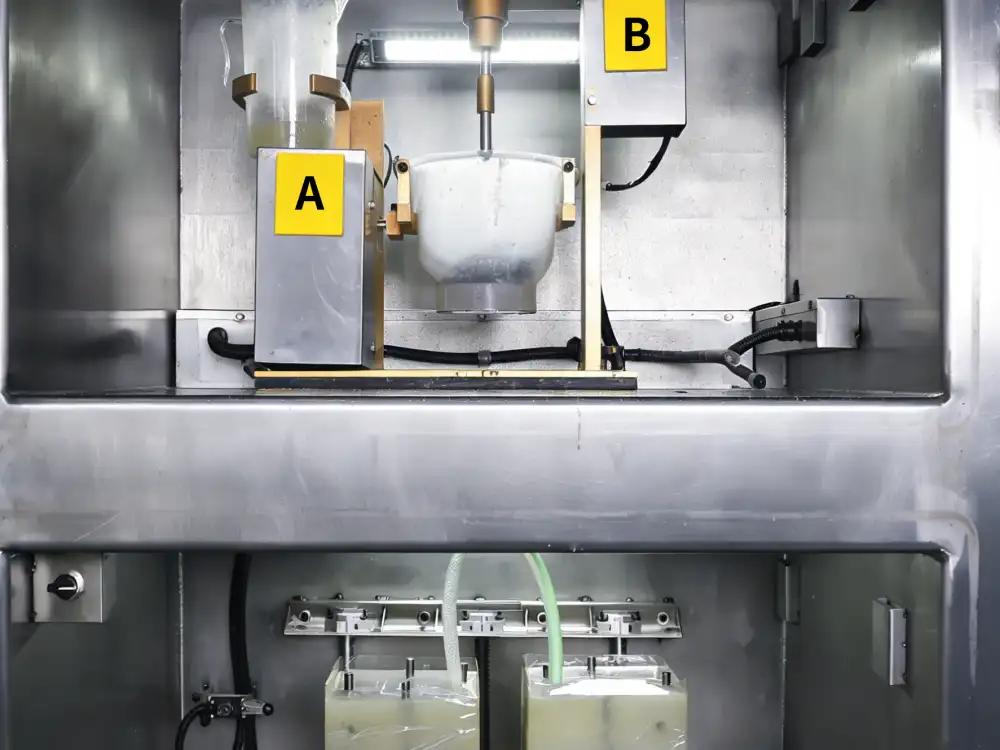
Our vacuum casting services deliver precision components for functional prototypes and end-use production across key sectors, providing a strategic alternative when injection molding is not yet practical.
Functional prototypes and interior components for ergonomic and fit-and-finish validation.
Biocompatible device housings and surgical instrument prototypes requiring rapid iteration.
High-fidelity enclosures, keypads, and aesthetic elements for user experience testing.
Lightweight interior panels and specialized components with specific material properties.
Durable machine guards, custom panels, and tooling fixtures for industrial applications.
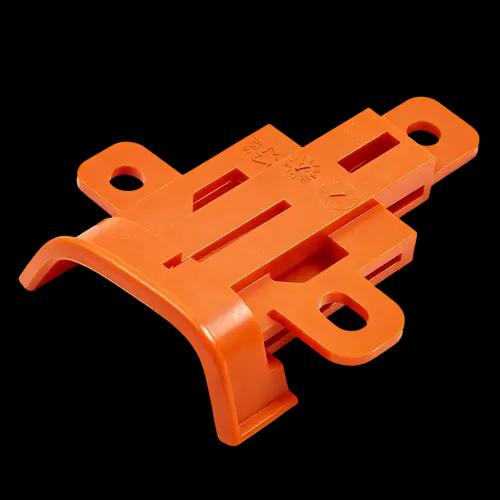
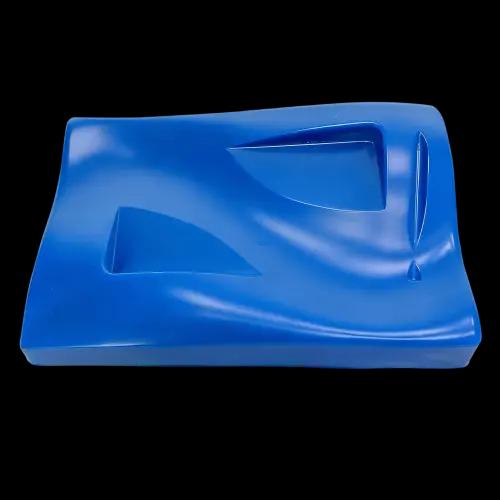
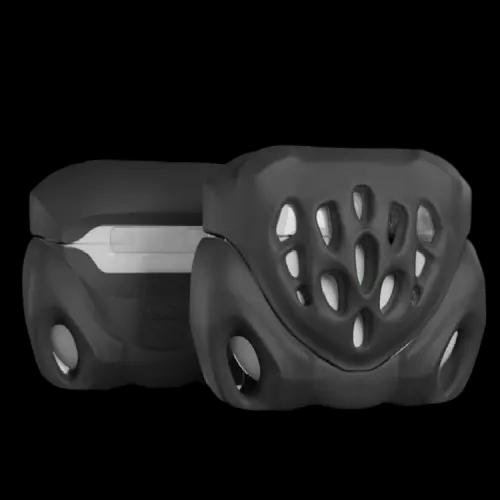
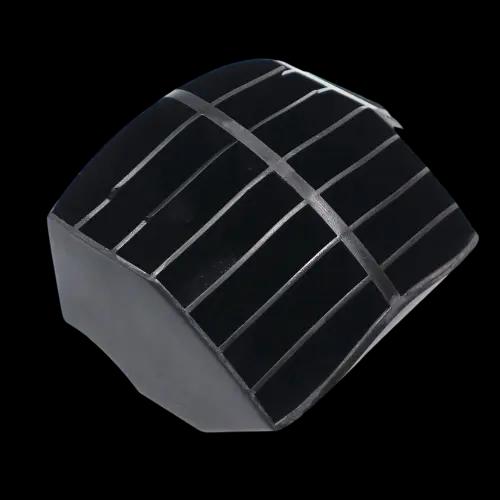
Select the optimal manufacturing service for your project stage, volume, and performance requirements.
| VS | 3D Printing | Vacuum Casting | Injection Molding |
|---|---|---|---|
| Tooling Cost | None required | $400 – $1,800 (for high-durability silicone molds) | $4,500 – $45,000+ (for precision aluminum/steel molds) |
| Lead Time | 1 – 2 days for rapid prototypes | 5 – 12 days for prototypes and low-volume production | 4 – 10+ weeks (includes mold fabrication) |
| Optimal Volume | 1 – 15 pieces for concept validation | 20 – 300 pieces for functional testing and bridge manufacturing | 1,000+ pieces for cost-effective mass production |
| Tolerance | ±0.1 – 0.3 mm | ±0.08 – 0.6 mm with high pattern fidelity | ±0.02 – 0.08 mm from hardened tooling |
| Surface Finish | Requires post-processing for smoothness | Near-production finish, minimal secondary finishing | Production-ready surface straight from mold |
| Complex Geometry | Unrestricted design freedom | Excellent for undercuts and fine details | Limited by tool design, complex features increase cost |
| Material Options | Limited to printable polymers | Wide urethane selection simulating engineering plastics and elastomers | Full range of commercial thermoplastic resins |
| Design Changes | Fast and cost-free iteration | Cost-effective via master pattern modification | High-cost mold modifications required |
This precision manufacturing solution is ideal for producing functional prototypes and low-volume end-use parts. It delivers production-grade quality without expensive tooling, ensuring fast turnaround and material versatility.
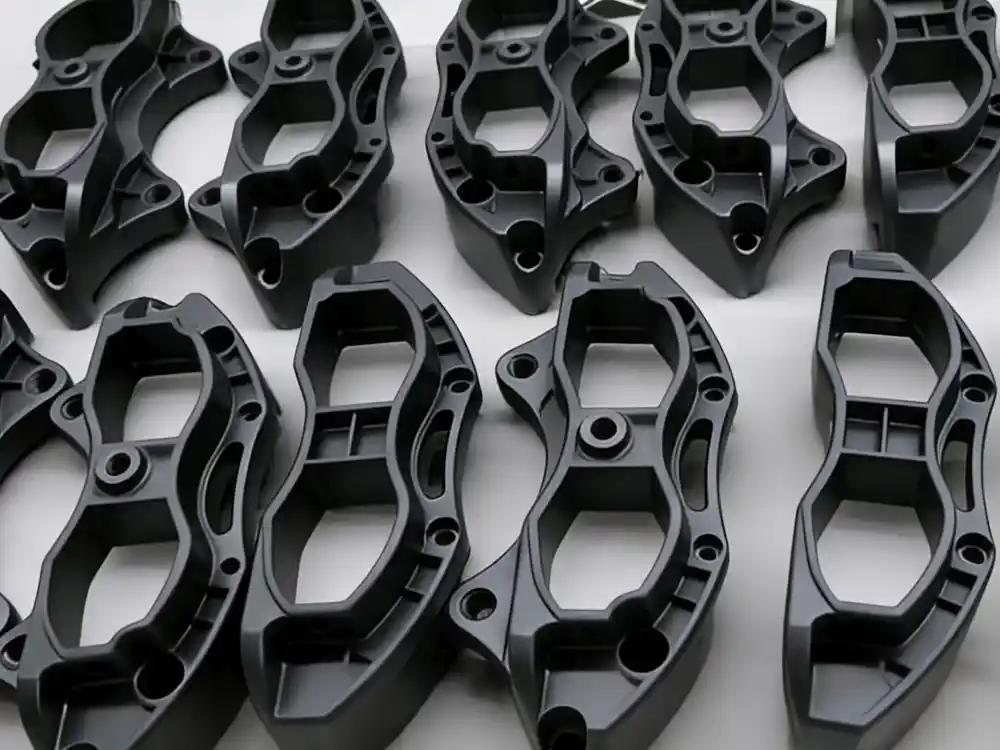
Stay informed with the latest updates and announcements from JS Precision. Learn about our most recent projects.
Vacuum casting is ideal for producing high-fidelity prototypes and low-volume production parts with exceptional surface quality. This process uses silicone molds created from a master model, allowing for the accurate replication of complex geometries and fine details. It bridges the gap between 3D printing and injection molding, offering a cost-effective solution for batches typically ranging from 10 to 50 parts without the high tooling costs of traditional manufacturing.
The superior surface finish is a direct result of the master model's quality and the vacuum environment during casting. The master model, often CNC-machined or 3D-printed with high precision, is meticulously finished. The silicone mold perfectly replicates this surface, while the vacuum ensures bubble-free resin infusion, resulting in parts that are smooth and ready for use or minor post-processing.
Our service offers an extensive range of engineering-grade polyurethane (PU) resins designed to mimic various thermoplastics and elastomers. This includes ABS-like, PC-like, and PP-like materials for rigidity, rubber-like and TPU-like resins for flexibility, and specialized options like high-temperature, flame-retardant, and transparent grades for specific application requirements.
You can expect high dimensional accuracy with standard tolerances around ±0.15mm for the first 100mm. This precision is achieved through high-quality master patterns and stable silicone molds, making the process suitable for functional testing and fit-and-assembly verification where exact dimensions are critical for performance.
Yes, the inherent flexibility of silicone molds makes vacuum casting exceptionally capable of handling complex geometries, including undercuts and intricate details. The mold can be carefully cut and flexed to demount complex parts without damage, offering design freedom that is often costly or impossible with rigid injection molding tools.
For low-volume production runs (typically 15-25 parts per mold), vacuum casting is highly cost-effective. It eliminates the high initial investment in steel or aluminum molds required for injection molding. This makes it an economical choice for market testing, pre-series production, and functional prototyping, providing near-production quality at a fraction of the tooling cost.
Our lead times are optimized for rapid turnaround. The silicone mold fabrication typically takes 1-3 days, with part production and curing requiring an additional 2-3 days. This allows for most projects to be completed within a 5 to 10 business day timeline, accelerating your product development cycle significantly.
Absolutely. Our vacuum casting service supports insert technology, allowing for the encapsulation of components like metal threads, bearings, or electronic parts directly into the polyurethane resin. This enables the production of sophisticated, multi-material prototypes and functional assemblies in a single manufacturing step, saving on assembly time and cost.
We provide a comprehensive suite of post-casting finishing services to meet aesthetic and functional needs. Options include professional painting for color matching, precision polishing for optical clarity, texture application for improved grip, and metallization for a premium appearance. These services ensure your parts meet the exact specifications of the final product.