 English




About The Author
Doris Wu
VP of Global Business Development | Rapid Manufacturing Specialist
Backed by over a decade in on-demand manufacturing (since 2015), Doris Wu leads international partnerships as VP of Global BD at JS Precision. Operating from Dongguan, linking hardware teams across North America and Europe directly with production for factory pricing, fast turnarounds, and zero broker markups.
Aligning CAD specifications with production across precision CNC machining, sheet metal, injection molding, casting, and 3D printing. Focusing on 24-hour DFM feedback, tight tolerance control, and seamless volume scaling.
All Articles by Doris
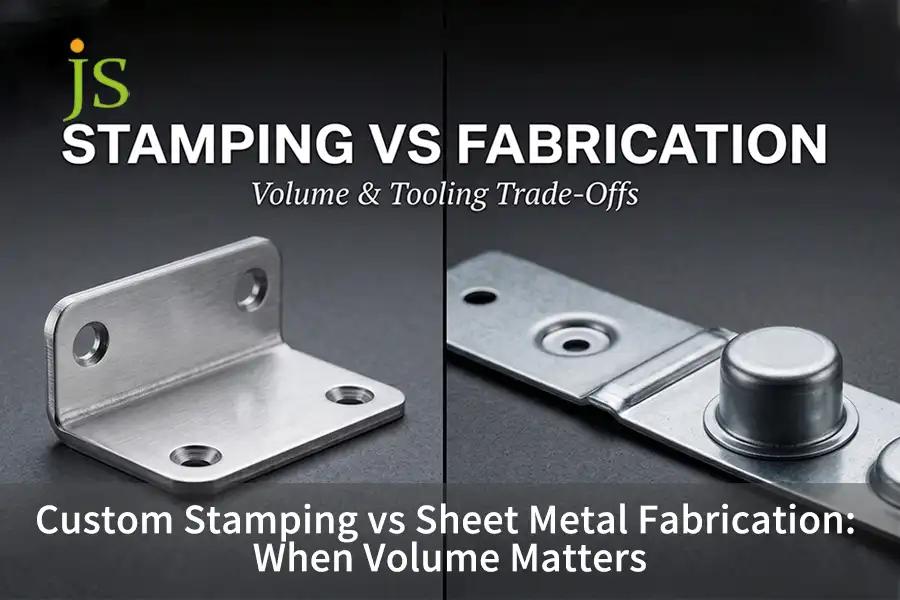
Custom Stamping vs Sheet Metal Fabrication: When Volume Matters
1.How Does Tooling Cost Differentiate Stamping from Fabrication? 2.How Does Unit Cost at Volume Shift Between Stamped and Fabricated Parts? 3.Which Part Geometry Demands Custom Stamping vs Sheet Metal Fabrication? 4.What Tolerances Can Sheet Metal Stamping vs Fabrication Hold? 5.How Do Lead Time and Minimum Order Quantities Impact Project Launch? 6.How Do You Choose Between Custom Stamping and Sheet Metal Fabrication in Production? 7.FAQ 8.Summary 9.Resource
 JS Precision
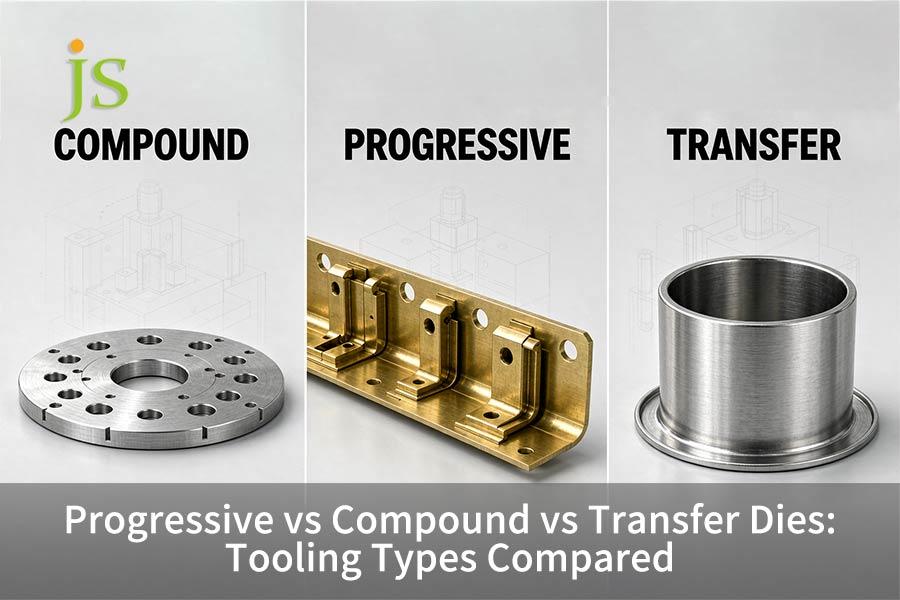
Progressive vs Compound vs Transfer Dies: Tooling Types Compared
1.Compound Die vs Progressive Die: Which Delivers Better Flatness and Concentricity? 2.Progressive Die vs Transfer Die: How Do Pitch Tolerances Compare at High Volumes? 3.Why Is Transfer Die Stamping Essential for Deep-Drawn and Heavy Parts? 4.Progressive vs Compound vs Transfer Dies: Which Tooling Best Fits Your Project? 5.Stamping Die Selection for Critical Alloys: Which Tooling Works for EMI Shields and AHSS? 6.FAQ 7.Summary 8.Resource
JS Precision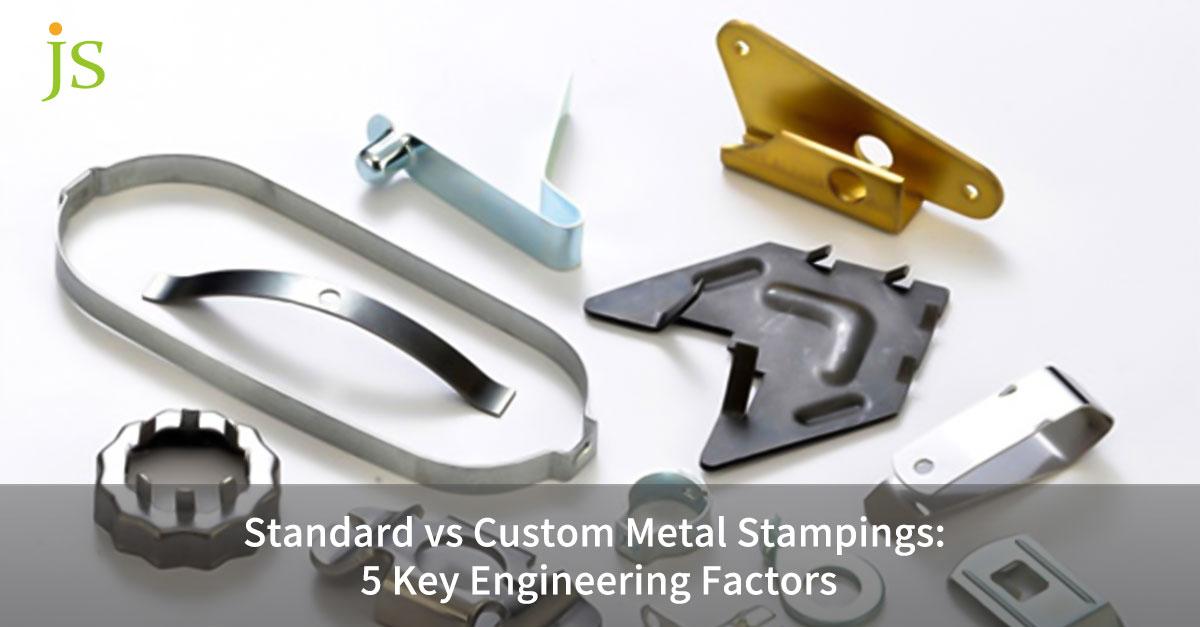
Standard vs Custom Metal Stampings: 5 Key Engineering Factors
1.How Does Tooling Cost Dictate Standard Stamping vs Custom Tooling Selection? 2.What Geometric Limits Define Standard Stamped Parts vs Custom Capabilities? 3.How Does Metal Stamping Tolerance Vary Between Catalog and Custom Dies? 4.How Does Metal Stamping Material Selection Impact Tooling Longevity? 5.When Should Engineers Choose Low Volume Metal Stamping Over Custom Tooling? 6.FAQ 7.Summary 8.Disclaimer 9.Resource
JS Precision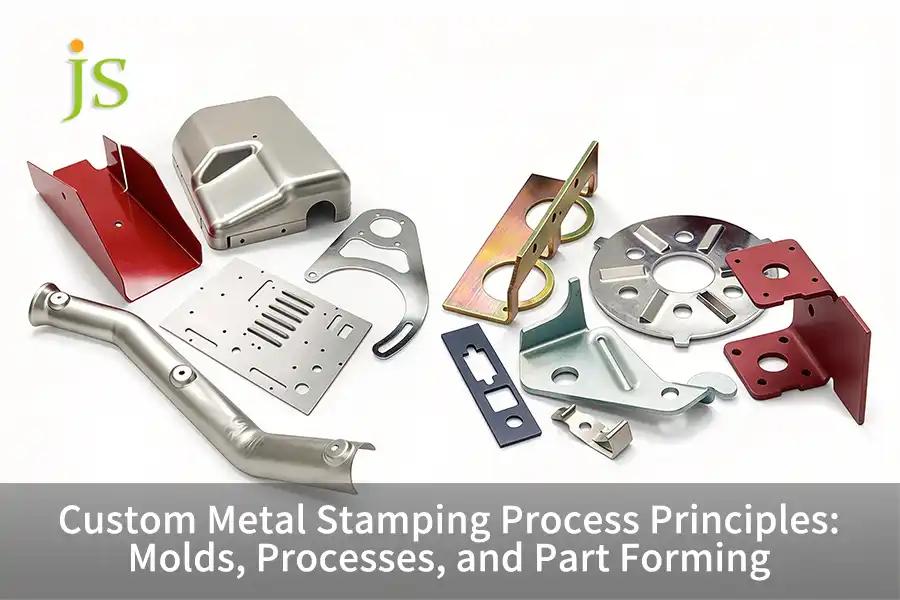
Custom Metal Stamping Process Principles: Molds, Processes, and Part Forming
1. What is a metal stamping die? How does it cut metal? 2. What are the key steps in the metal stamping process? 3. How does part forming transform sheet metal into three-dimensional geometry? 4. What are the advantages of progressive dies compared to other stamping methods? 5. Frequently Asked Questions 6. Summary 7. Disclaimer 8. Resources
JS Precision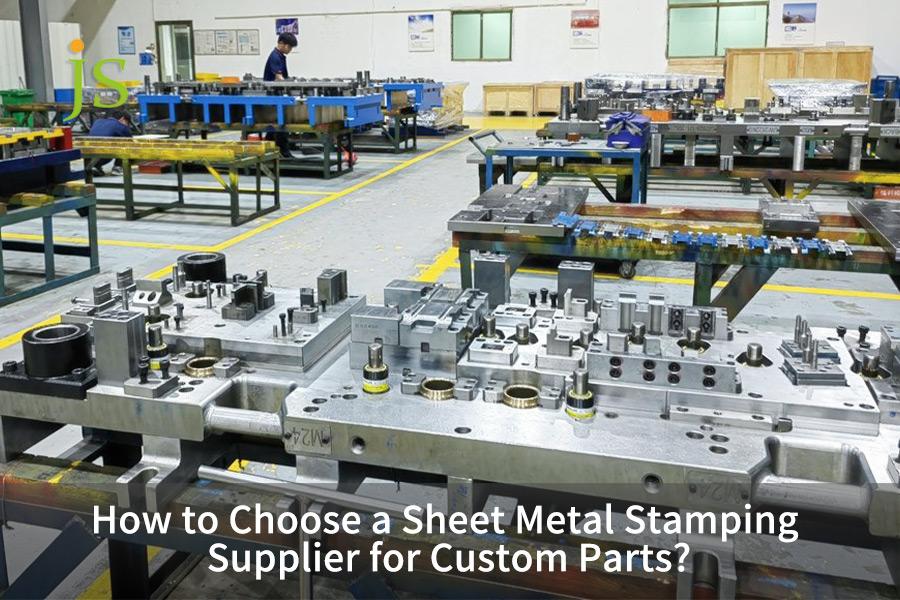
How to Choose a Sheet Metal Stamping Supplier for Custom Parts?
1.How to Evaluate a Sheet Metal Stamping Supplier by Tolerance and Tooling Capabilities? 2.How Much Does Custom Metal Stamping Cost Across Material and Volume Tiers? 3.How to Optimize Metal Stamping MOQ for Low Volume Custom Parts? 4.What Determines Custom Metal Stamping Lead Time and How Are Expedited Orders Handled? 5.Which Metal Stamping Certifications and RFQ Specifications Protect Your Quality and IP? 6.How Are Critical Tolerances Achieved in Custom EV Stamped Components? 7.FAQs 8.Summary 9.Disclaimer 10.JS Precision Team 11.Resource
JS Precision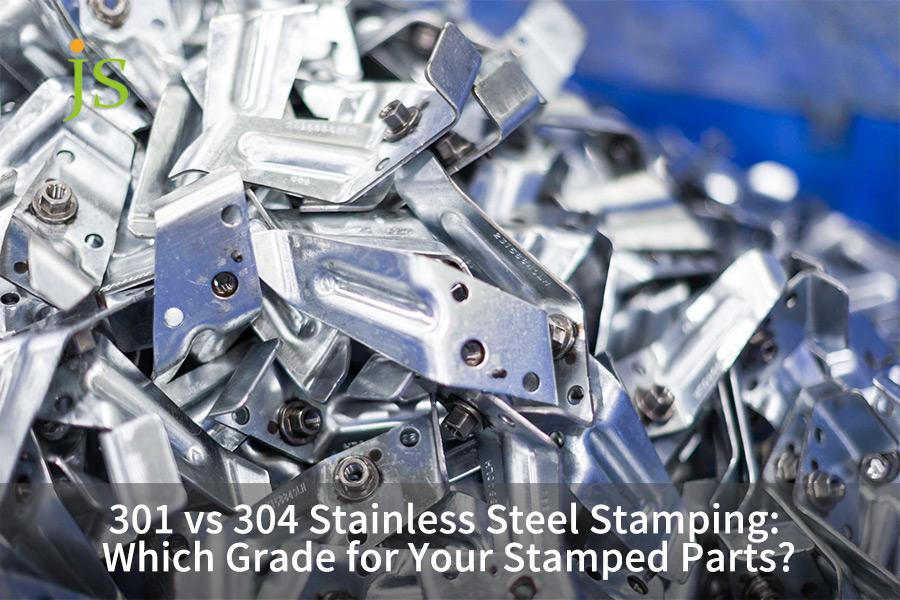
301 vs 304 Stainless Steel Stamping: Which Grade for Your Stamped Parts?
1.Which Stainless Steel Stamping Grades Suit Your Stamped Parts: 301 or 304? 2.304 Stainless Steel Formability: Why Does It Outperform 301 in Deep Drawing? 3.301 Spring Temper vs 304 Annealed: How Do Elastic Recovery and Springback Differ? 4.301 vs 304 for EV Battery Contacts and Clips: Which Grade Wins by Application? 5.301 vs 304 Stainless Steel Stamping Cost High Volume: What Defines Total Part Economics? 6.FAQs 7.Summary 8.Disclaimer 9.JS Precision Team 10.Resource
JS Precision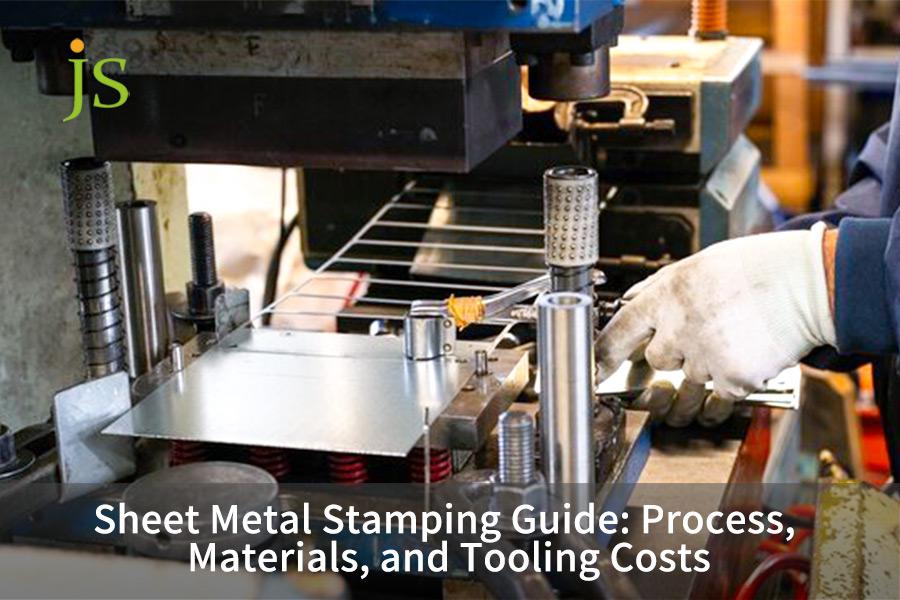
Sheet Metal Stamping Guide: Process, Materials, and Tooling Costs
1.What Is the Sheet Metal Stamping Process, and How Does It Scale for Mass Production? 2.How Does Progressive Die Stamping Work Compared to Transfer and Stage Tooling? 3.How Does Sheet Metal Stamping Material Selection Affect Formability and Tool Wear? 4.Carbon Steel vs Stainless Steel Stamping: What Are the Key Engineering Differences? 5.Metal Stamping vs Laser Cutting: What Is the Cost Break-Even Volume? 6.What Are the Key Stamping DFM Guidelines for Minimum Bend Radius and Sheet Thickness? 7.How Much Does Metal Stamping Tooling Cost, and How Is Press Tonnage Calculated? 8.How Do ISO 9001 and IATF 16949 Stamping Certifications Guarantee Part Quality? 9.FAQs 10.Summary 11.Disclaimer 12.JS Precision Team 13.Resource
JS Precision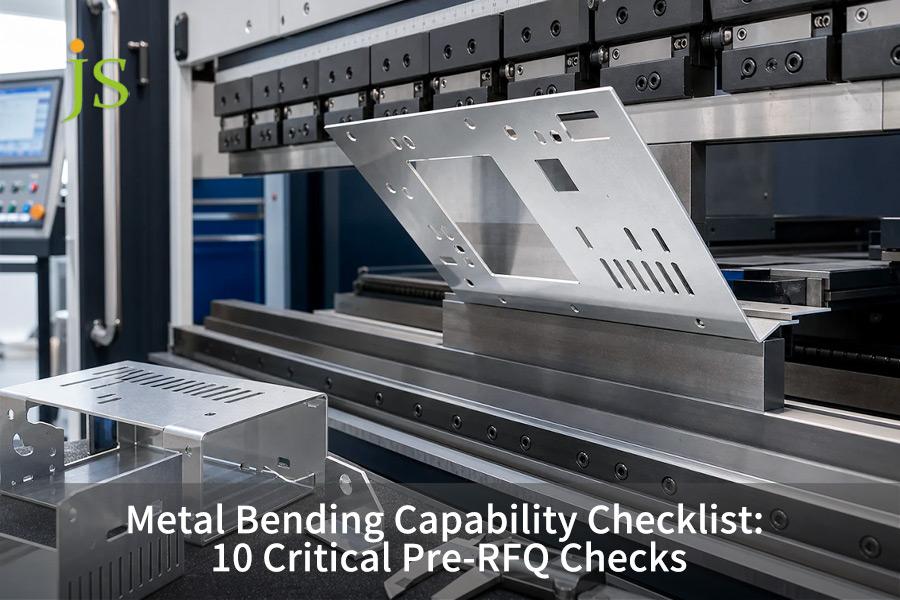
Metal Bending Capability Checklist: 10 Critical Pre-RFQ Checks
1.What Is the Minimum Flange Length for Sheet Bending? 2.How to Calculate Hole-to-Bend Distance to Prevent Oval Distortion? 3.Why Must Relief Notches Be Included in Intersecting Bends? 4.How Does Material Grain Direction Impact Tight Radius Bends? 5.When Should You Specify Free State Versus Restrained Inspection? 6.How Do Tolerances Differ Before and After Surface Finishing? 7.Which Press Brake Tonnage Limits Your Part Geometry? 8.How to Choose a Sheet Metal Bending Supplier for Tight Tolerances? 9.Case Study: JS Precision Precision Sheet Metal Bending for Industrial Robotics Robot Chassis: Zero-Defect Flange Alignment 10.FAQs 11.Summary 12.Disclaimer 13.JS Precision Team 14.Resource
JS Precision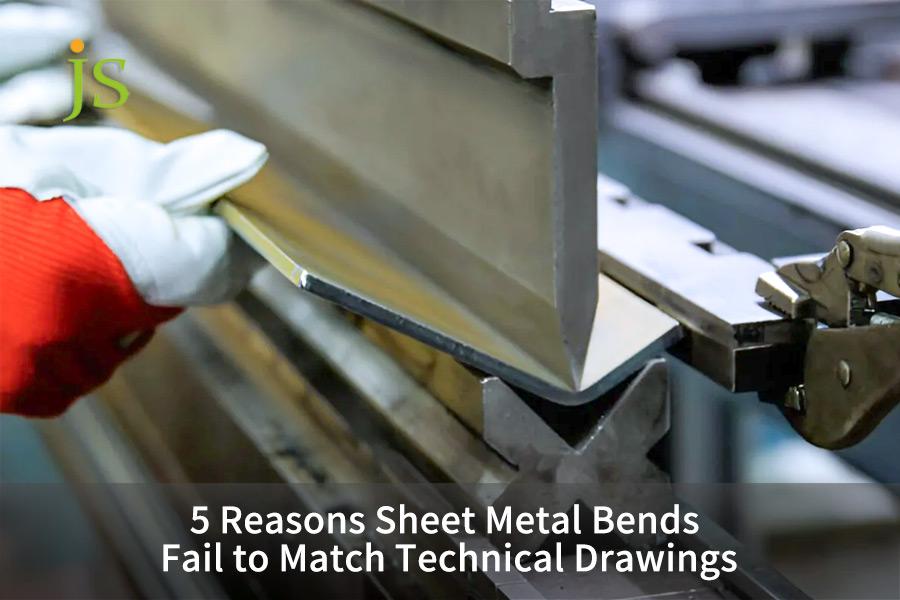
5 Reasons Sheet Metal Bends Fail to Match Technical Drawings
1.Why Does Uncompensated Springback Distort Flange Angles? 2.How Does Incorrect K-Factor Skew Flat Pattern Calculations? 3.When Does Omitted Flange Relief Cause Corner Tearing? 4.Why Do Raw Sheet Thickness Variations Ruin Bend Accuracy? 5.How Do Wrong V-Die Openings Distort Inside Bend Radii? 6.Why Does Sheet Metal Grain Direction Cause Flange Cracks? 7.Which Tolerance Rules Govern Air Bending vs Bottoming? 8.How to Fix Springback Errors in Sheet Metal Fabrication? 9.JS Precision Precision Sheet Metal Fabrication for Robotics Base: Bend Defect Elimination 10.FAQs 11.Summary 12.Disclaimer 13.JS Precision Team 14.Resource
JS Precision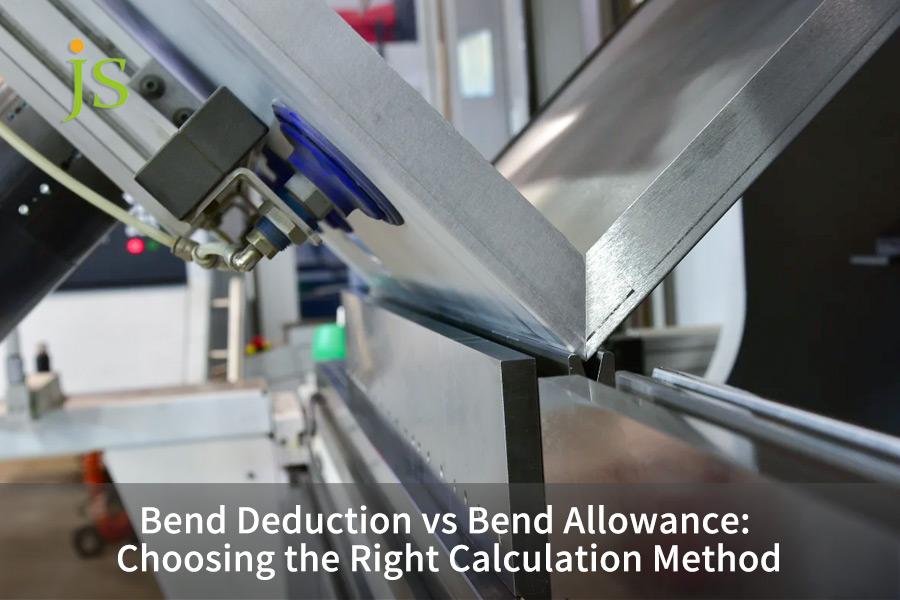
Bend Deduction vs Bend Allowance: Choosing the Right Calculation Method
1.What Are the Physical Mechanics Distinguishing Bend Deduction and Bend Allowance? 2.How Do You Calculate Sheet Metal Flat Patterns Using Exact Formulas? 3.When Should Precision Fabricators Choose Bend Deduction Over Bend Allowance? 4.Why Does Bend Allowance Excel in Acute Angles and Multi-Radius Forming? 5.How Does K-Factor Drift Influence BD vs BA Accuracy on the Shop Floor? 6.How Do You Select the Right Calculation Method in Modern CNC Press Brake Operations? 7.How Did an Industrial Server Enclosure Redesign Solve Assembly Tolerance Stacking? 8.FAQs 9.Summary 10.Disclaimer 11.JS Precision Team 12.Resource
JS Precision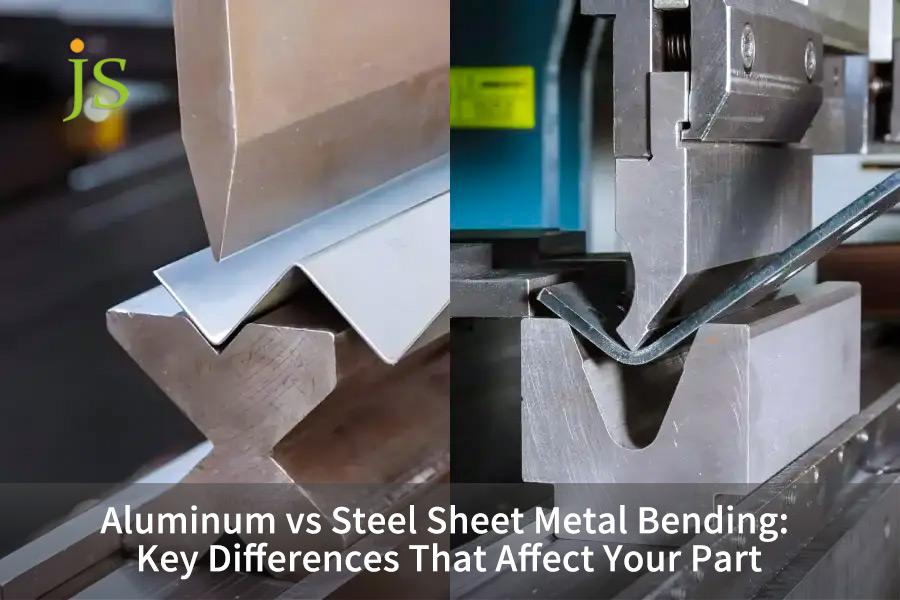
Aluminum vs Steel Sheet Metal Bending: Key Differences That Affect Your Part
1.What Are the Critical Forming Differences in Aluminum vs Steel Sheet Metal Bending? 2.How Do You Calculate Steel vs Aluminum Bending Force and Press Brake Loads? 3.How Can Fabricators Prevent Cracking and Control Tolerances in Aluminum Sheet Bending? 4.Why Does Steel Sheet Bending Excel in Tight Radius and High-Strength Applications? 5.How Do CNC Sheet Metal Bending vs Manual Bending Impact Material Quality? 6.How Do You Select Between Aluminum and Steel for Sheet Metal Bending? 7.How Did an EV Battery Bracket Redesign Solve Bending Fractures and Weight Constraints? 8.FAQs 9.Summary 10.Disclaimer 11.JS Precision Team 12.Resource
JS Precision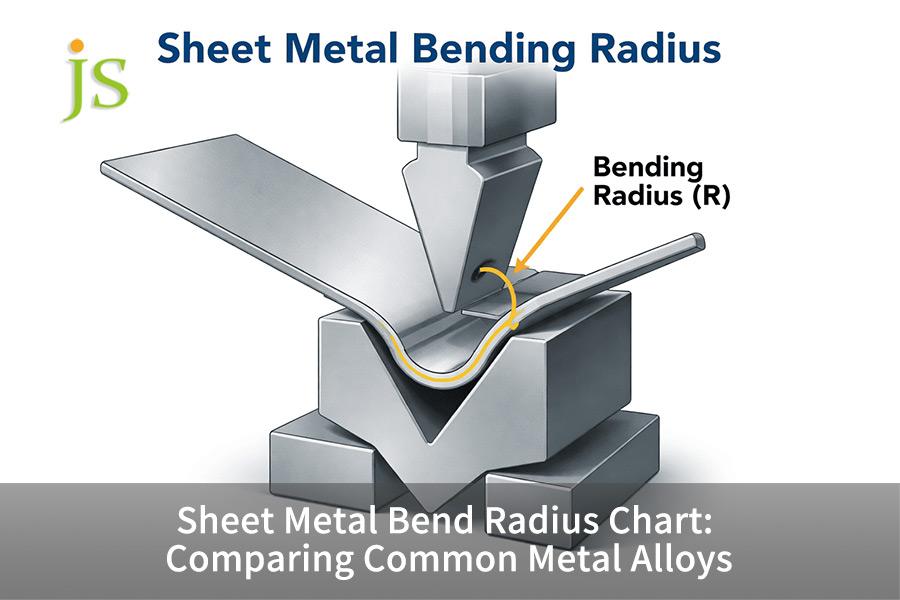
Sheet Metal Bend Radius Chart: Comparing Common Metal Alloys
1.How to Use a Sheet Metal Bending Radius Chart to Compare Alloy Limits? 2.How Does Bending Direction Determine the Minimum Bending Radius? 3.Aluminum vs Stainless Steel: Which Is the Best Aluminum Alloy for Bending? 4.Why Avoid Bending 6061 T6 Aluminum for Tight Enclosure Brackets? 5.How Does Bending Steel Sheet Differ from Bending Stainless Steel Sheet Metal? 6.How Does a Bending Radius of Sheet Metal Chart Guide Calculating Bending Radius? 7.FAQs 8.Summary 9.Disclaimer 10.JS Precision Team 11.Resource
JS Precision