English



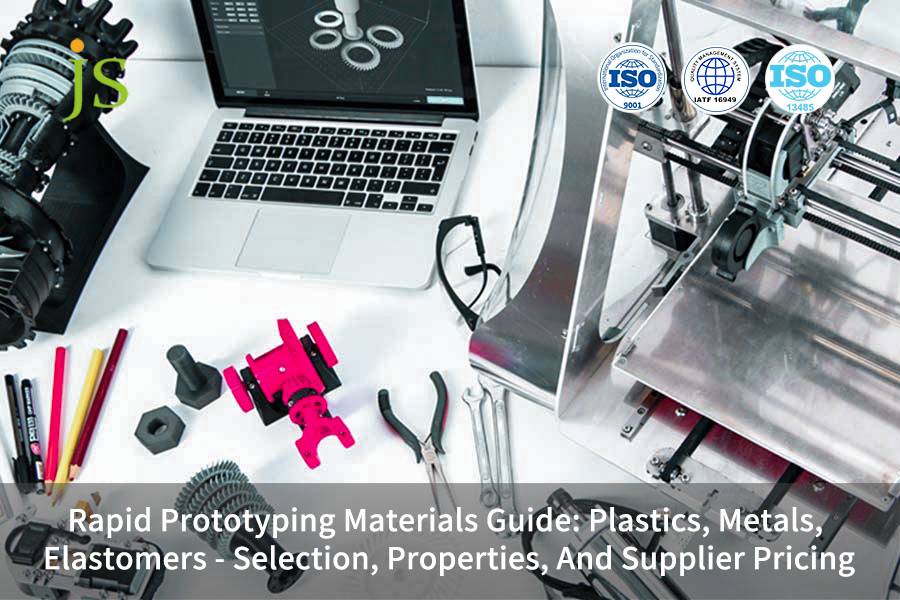

Plastic prototyping has always been a crucial activity in product development. Right from the dream plastic concept prototype to a precise metal functional part ready for real-world testing, rapid prototyping technology has managed to reduce development cycles from months to days.
However, with the current availability of an array of diverse materials and processes, an important question arises: "How do you select the optimal choice of material for your respective project based on performance, speed, and cost?"
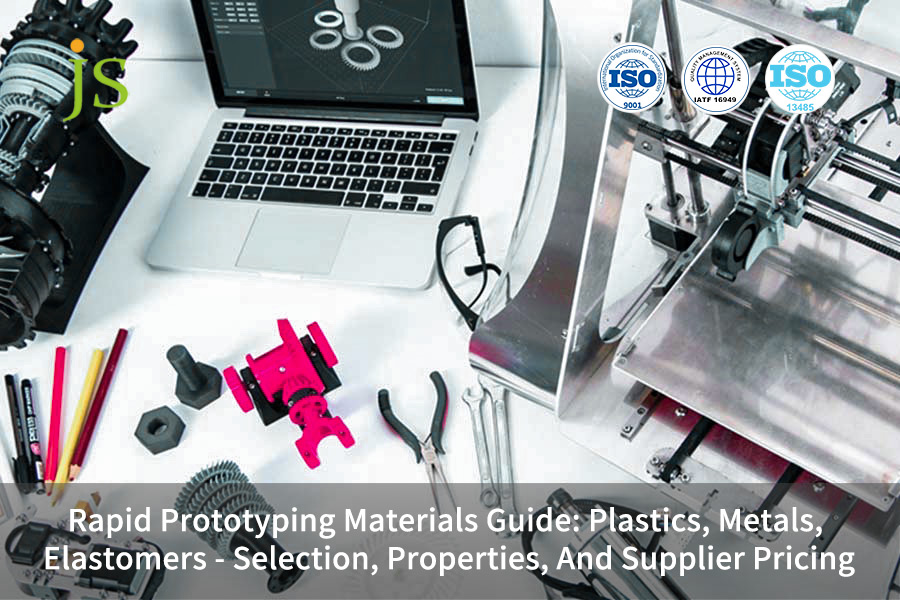
Right from plastic prototype manufacturing to metal prototyping services, the entire critical criteria for decision-making is covered in this guide to enable one to successfully implement their designs with the help of the best manufacturing partners, such as JS Precision, in the most effective manner.
Core Answer Table
| Decision Dimensions | Key Considerations | Core Action Recommendations |
| MaterialSelection | Choose plastic or metal based on functional requirements (strength, temperature resistance, toughness), appearance requirements, and post-treatment. | Clarify the purpose of the prototype: is it for concept validation, functional testing, or small-scale trial production? |
| Cost Control | Material costs, support structures, post-processing, and order quantities have a considerable effect on the final cost. | Optimize design to reduce support and consult suppliers for design for manufacturing (DFAM) recommendations. |
| Supplier Selection | Consider local accessibility versus value for value as part of an integrated, international supply chain for costs, competencies, as well as scalability. | Consider supplier competencies from end to end: design, material library, post-processing. |
Key Takeaways:
- The selection of materials to be used in the prototype depends on the purpose to which the prototype would be put.
- Smart design is the most powerful cost-saving tool for plastic rapid prototyping.
- Chinese plastic prototype manufacturing suppliers can provide significant cost and supply chain advantages.
- The presence of a partner like JS Precision, which can undertake all material processing, helps ensure a smooth transition process from prototype development to production.
Why Trust This Guide? Practical Experience With JS Precision
With extensive experience in the realm of prototyping, JS Precision prides itself on the successful servicing of more than 5,000 clients belonging to diverse sectors such as the aerospace industry, automotive industry, medical industry, and consumer electronics, with more than 15 years of experience in plastic prototyping and metal rapid prototyping.
JS Precision has successfully fulfilled more than 100,000 prototype orders and has attained the successful completion of light aluminum prototype of best-selling drones and stress cracking problems in the realm of metal prototyping services provided to the medical industry.
Our organization has in its employment a team of senior engineers with experience of over 8 years in this line. This helps us understand the prototyping requirements for different sectors.
We work exclusively in accordance with the ASTM E1340-96. In the plastic rapid prototyping process, we assist our clients in cutting costs by 30% with the help of intelligent design optimization. In the metal prototyping process, the time required for the delivery cycle of complex parts may be decreased by 50% with the help of the innovation process.
These are not just boasting figures, these are figures resulting from our collective experience with many projects.
We are always concerned with satisfying customers in terms of design optimization to the point of providing prototype delivery services, hence earning considerable customer appreciation with a customer repurchase rate of 75%.
If you are worried about the cost, quality, or lead time of prototype manufacturing, you may contact JS Precision team to inform us of your project requirements. We will provide you with free technical evaluation and solutions, and use our professional strength to dispel your doubts.
Choosing The Right Thermoplastic For Your Plastic Prototyping Needs
The requirements of plastic prototyping should encompass appropriate material considerations that entail a balance between functionality and costs. The selection of proper material during prototyping is significant to provide assurance that relevant prototypes of design are confirmed, and this would have been difficult if the prototyping process was not rapid prototyping.
Functional Validation vs. Appearance Validation
Functional prototypes need to withstand mechanical stress or thermal loads, and it is recommended to use engineering plastics such as ABS, Nylon, or PC. If only verifying the shape and assembly, lower cost PLA or ASA can meet the requirements and effectively control the cost of plastic prototyping.
Post-processing Determines Materials
When planning post-processing such as painting, electroplating, or bonding, compatible materials should be selected. ABS is easy to polish and spray paint, and is a commonly used post-treatment friendly material for plastic prototyping. PP is difficult to bond due to its surface inertness, and it is not recommended to prioritize the use of multi-component assembly prototypes.
Environmental Factors
The materials used will depend on the type of environment the prototype is going to be used in, where UV-stable ASA materials will be most appropriate when the prototype will be used outdoors, while PP or PPSU materials will be appropriate when sensitive to many chemicals in the specific use environment.
Smart Design: Reducing Support Costs In Plastic Rapid Prototyping
For example, in plastic rapid prototyping, "scaffoldings" are a "waste" in the process. However, they are necessary in ensuring the stability of this process. They also serve to increase the amount of material required in this process as well as the time required in post-processing. This is another key part of JS Precision’s optimization of plastic rapid prototyping services.
1. Obey the 45° Rule: This involves creating the object such that the angle of overhang is below 45°. The majority of plastic rapid prototyping processes are capable of performing support-less printing at the angle. This eliminates the use of support completely.
2. Optimize the Orientation of Your Model: You should adjust the placement orientation of the part being sliced, with the goal of preserving the critical surfaces away from the support structures while reducing the contact area of the support structures.
3. Utilize dissolvable support materials: In cases where there are very complex inner structures, it would be a good idea to make an investment in printers with support materials that can be dissolvable, such as PVA or HIPS materials. Even though they incur a slightly higher cost, they ensure a reduction in manual processing time for support removal.
4. Use cutouts and perforations: The addition of holes or cutouts for reducing weights in areas that are non-load-bearing on parts can lead to less material in plastic rapid prototyping, thereby reducing the cost. These cutouts can at times avoid the generation of internal supports that could be difficult to remove during prototyping production.
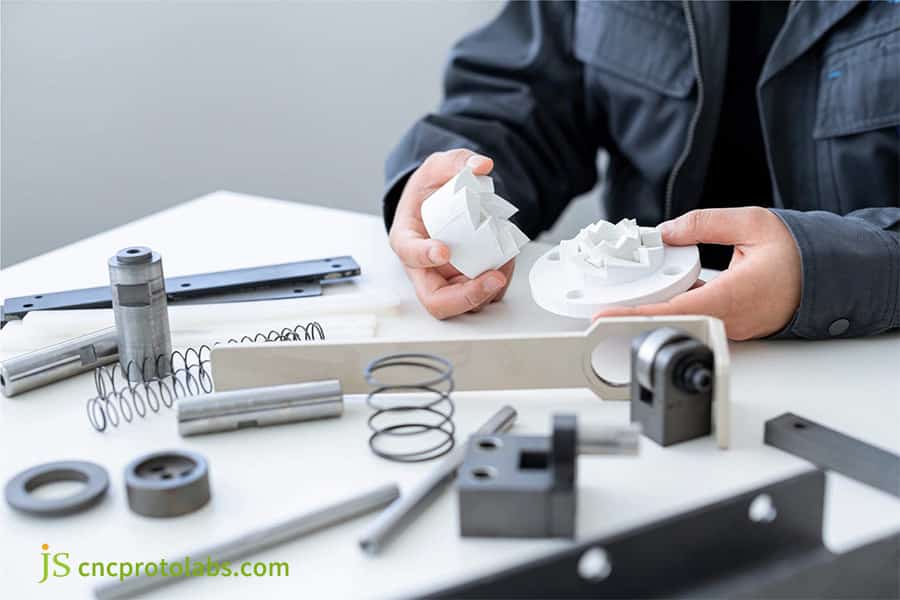
Figure 1 Rapid prototyping (RP) is a powerful prototyping technique that, when used properly, can not only save time but also reduce overall product development costs.
Preventing Stress Cracking In Metal Prototyping Services
Metal prototyping services, especially laser powder bed melting processes, are prone to residual stress accumulation due to rapid melting and solidification, leading to part deformation and cracking, which is a core pain point in the industry. JS Precision, drawing on years of experience, has summarized effective prevention methods.
Common Stress Cracking Prevention Methods for Metal Prototypes
| Prevention Measures | Implementation Methods | Core Function |
| Optimized Scanning Strategy | Employ island scanning or random scanning paths | Avoid sustained thermal stress concentration caused by long vector scans |
| Designed Transition Fillets | Use sufficiently large fillets to transition all sharp internal corners | Eliminate stress concentration points and disperse internal stress |
| Preheating and Temperature Control | Maintain a high and constant temperature within the build chamber | Slow down the cooling rate, allowing for a more gradual release of stress |
| Stress Annealing and HIP | Perform stress-relief annealing during or after printing, critical components undergo hot isostatic pressing (HIP) | Effectively eliminate internal defects and residual stress |
JS Precision uses ISO/ASTM 52909:2024 to flexibly combine methods of prevention with structure and material property-related methods for parts, such as simultaneously using optimized scanning, fillet design, and HIP processing to prevent stress cracking in aerospace precision metal prototyping.
Worried about stress cracking issues with your metal prototyping services? Inform us about the structure of your part, material, and precision requirements, and we will customize the best stress control solution for you. JS Precision offers free process feasibility analysis, making your metal prototypes more reliable.
Lightweighting Strategies For High-Performance Aluminum Prototypes
Lightweighting of an aluminum prototype needs a balance between strength, stiffness, and weight to be improved, these are all crucial elements for product competitiveness. JS Precision has accumulated extensive manufacturing experience and offers lightweighting solutions efficiently.
Topology Optimization and Lattice Structure
Weight reductions of up to 70% have been achieved without sacrificing performance by optimizing material distribution with simulation software and filling non-critical areas with lightweight lattices. Lightweighting of high-performance aluminum prototype is going to be a core technology.
Thin-Wall Design and Reinforcing Ribs
Compared with the traditional die-casting process, this technique can reduce the wall thickness and ensure rigidity by employing rational ribs as compensation, and thus it is more suitable for the aluminum prototype produced by die casting and metal rapid prototyping processes.
Hollow Cores & Internal Channels
By employing metal rapid prototyping tools for cavity creation or integrating cooling channels, weight is lowered while functionality is improved, thus providing a distinct advantage in custom metal fabrication prototype.
Material Replacement Assessment
If the aim for lightweighting is high, then the viability of replacement by magnesium or titanium alloys can be explored. In this respect, JS Precision cautions the reader to consider the cost and processing aspect comprehensively and not aim to reduce costs at the expense of increased processing costs.
Want to achieve efficient lightweighting for your aluminum prototype? Upload your part's 3D model now, and JS Precision engineers will conduct a free lightweight simulation analysis, providing specific optimization solutions and weight reduction expectations to help your product stand out in the market.
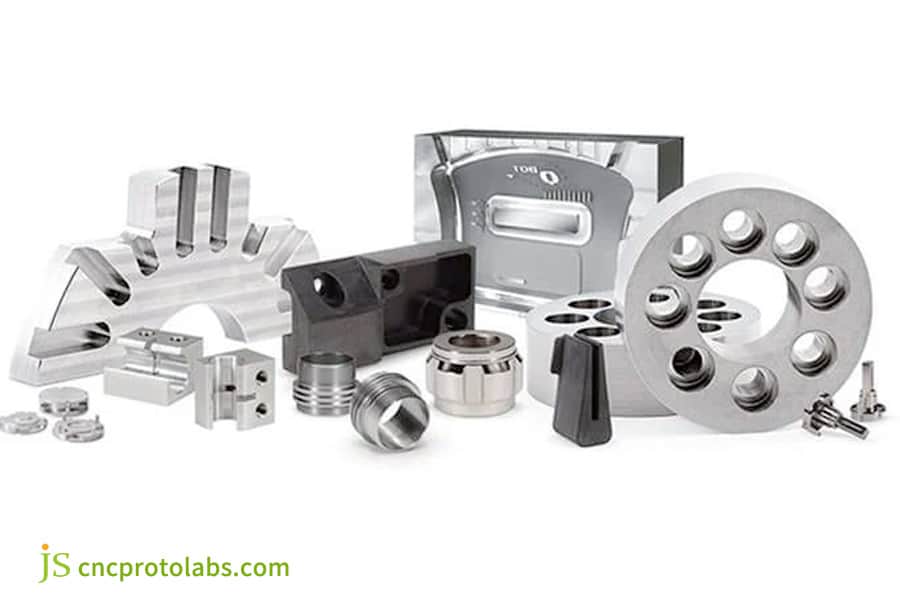
Figure 2 Aluminum is the most commonly used material for making prototypes, and manufacturers in various industries generally recommend using aluminum.
Decoding The Quote: How Small-Batch Plastic Prototyping Services Are Priced?
Understanding the small-batch pricing composition of plastic prototyping services will enable you to plan your budget more rationally and will not result in misunderstandings regarding the pricing logic. JS Precision, as a practitioner of transparent pricing, will explain the pricing logic of small-batch plastic prototyping services, and this will not usually be 'unit price multiplied by the quantity'.
Basic Elements of Pricing Strategy
One-time Expenses: These are mainly involved with 3D modeling and slicing, and also machine setup charges. These expenses do not depend on the final product amount and form a major part of single-unit or very small-series plastic prototypes and hence an important reason for a higher cost per unit of very small-batch prototypes.
Variable Costs: Costs related to the consumption of material (and support material), machine usage (directly correlated with part size and height), and post-processing time (support material removal, sanding, and painting). The cost rises with the number of produced items, but the unit variable cost remains constant.
Quantity Discounts: The greater the number of units ordered, the more the additional costs will get reduced, thereby leading to a substantial reduction in the-unit price, and the marginal costs will approach the cost of material and machine hours. The-unit price for 10 plastic prototyping services will be $100, and the-unit price for 100 will be $30.
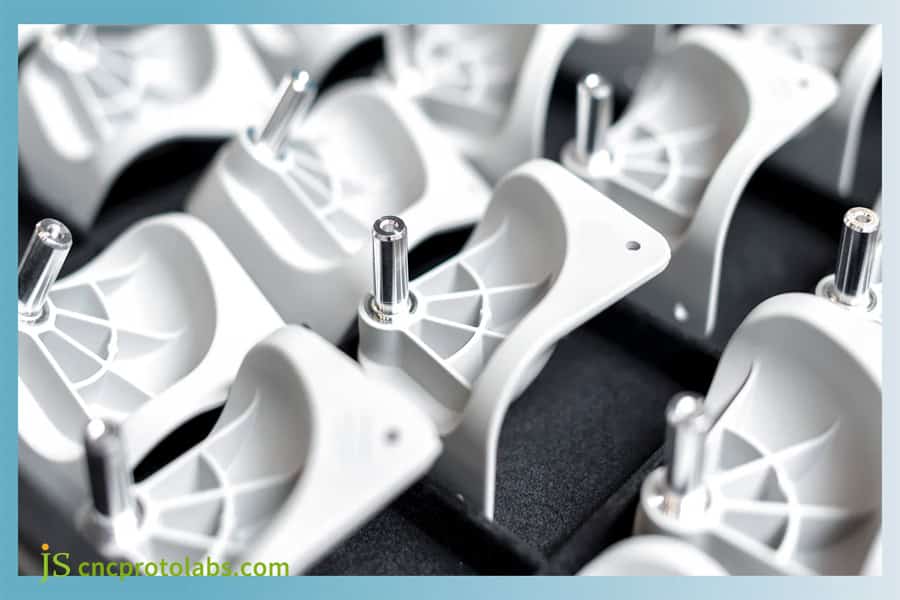
Figure 3 The price of each small batch prototype part ranges from $20 to $200, depending on the complexity, materials used, and production quantity.
The Global Advantage: Cost-Benefit Analysis Of China Plastic Prototype Manufacturing
Chinese suppliers of plastic prototype manufacturing are the preferred supplier choice around the world, primarily due to an attractive price difference of 30%-50%. However, this is not the only value that such suppliers provide, as their value is far larger.
Comprehensive Technical Capabilities
Chinese top suppliers like JS Precision have core technologies concerning plastic rapid prototyping as well as metal prototyping services. They provide inter-material recommendations and provide complete solutions under a single platform.
Supply Chain Flexibility and Speed
The local materials market in China is so huge, with a well-structured supply chain, ensuring very fast procurement of materials. With flexible schedules, they can easily respond to urgent prototyping needs, shortening delivery cycles by 30%-50% as compared to foreign suppliers.
One-Stop Solution
Our company provides a full service from the optimization of designs and multi-process prototyping through to small-batch production and post-processing, which streamlines project management, guarantees a constant high quality of prototypes, and prevents problems associated with integrating multiple stages.
Want to enjoy the cost and efficiency advantages of China's plastic prototype manufacturing? Contact JS Precision, and we'll provide you with end-to-end services from design to delivery, leveraging our professional technology, competitive pricing, and rapid delivery to accelerate your product development.
Why JS Precision Is Your Ideal Partner For Custom Metal Fabrication Prototype
For highly customized and functionally integrated prototype projects in custom metal fabrication, selecting an apt partner becomes critical. JS Precision will be the choice for any client seeking reliability due to its core technologies and value loop beginning with design and culminating in verification.
1.Deep Design Collaboration: This company involves engineers right from the beginning to optimize designs from manufacturability, cost, and performance standpoints to avoid expensive modifications later on in the process and ensure efficient production of the custom metal fabrication prototype.
2.Hybrid Manufacturing Capabilities: The integration of metal rapid prototyping with traditional processes, including CNC machining and sheet metal work, lets us leverage the best process combination based on the characteristics of your custom metal fabrication prototype. This is done to balance quality and cost.
3.Full process quality verification: Provide raw material certification, FAI first article inspection, and functional testing reports, strictly inspect every custom metal fabrication prototype to ensure reliable data and pave the way for mass production.
3 Days Vs. 3 Weeks: How JS Precision Reshapes Drone Aluminum Alloy Body Prototype Using Hybrid Technology
When it comes to product development, time is also a competitive advantage, especially for startups. Faster verification of prototypes means faster fundraising and mass production. Once upon a time, JS Precision provided an aluminum prototype solution for a drone startup and achieved a breakthrough in delivery from 3 weeks to 3 days using hybrid processes.
Client Challenge
This drone startup needed to create an aluminum prototype fuselage frame measuring 400x300x200mm for structural load and vibration testing.
Traditional CNC machining solutions cost more than $8,000 with a delivery cycle of 3 weeks, with the resultant prototype weighing 15% over the target weight. Not only was this costly and time-consuming, but it also failed to meet the product's lightweight requirements, severely impacting the company's development schedule.
JS Precise Solution
After receiving the request, JS Precision immediately optimized the engineering team.
- Design process reconstruction. According to the recommendation of engineers, the metal rapid prototyping of the head unit one-time molding (aluminum-silicon-magnesium powder), with an internal topology-optimized lattice, was able to greatly reduce its weight.Only the high-precision bearing mounting base was separately CNC machined and embedded to ensure assembly accuracy.
- An integrated cooling channel design was incorporated. In the metal prototyping service, instead of drilling and welding, the complex internal cooling airflow was directly printed in this design. In turn, it enhanced the prototype design, making it functional.
- Adopting parallel production and assembly mode. Simultaneous operation of metal rapid prototyping and CNC machining, complete all part manufacturing within 3 days. Precision bonding, as well as assembly, were accomplished in 24 hours.
Final Result
This functional prototype, offered by JS Precision, weighs 22% less, which is far more efficient regarding weight reduction, thereby covering all requirements in relation to loading as well as vibration testing.
The cost of this overall project was brought below $2,800, thereby registering a savings of 65% as opposed to conventional methods. The entire project cycle was shortened from 3 weeks to 5 days, helping the client complete the prototype test phase of their project efficiently to proceed to the next funding round.
Want to reduce costs and accelerate your prototype project as well? Upload your part drawings and project requirements, and JS Precision will provide you with a free process solution evaluation, using innovative technology and efficient services to help you overcome R&D bottlenecks.
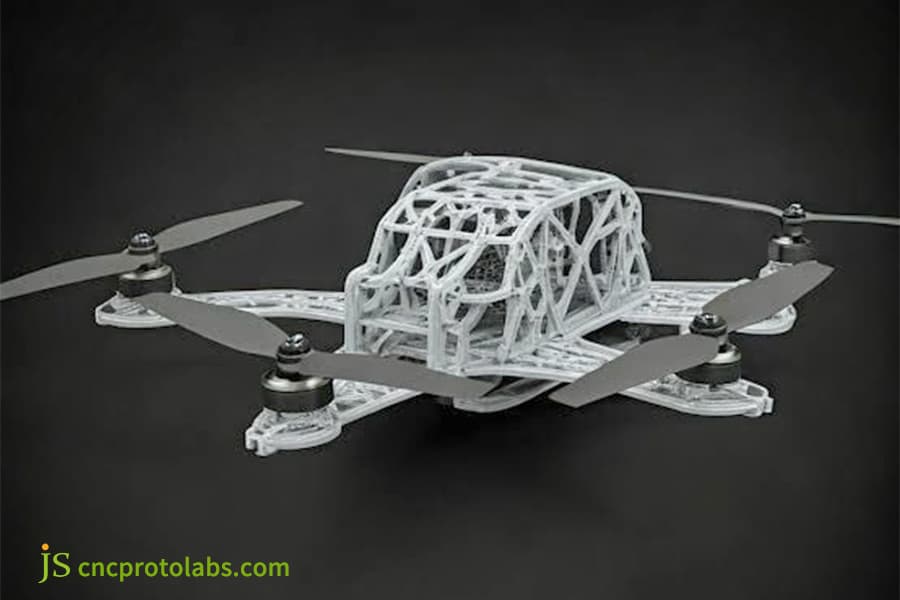
Figure 4 3D printed aluminum prototype drone body
FAQs
Q1: Can plastic prototypes be used for functional testing?
Yes. JS Precision says plastic prototyping made from suitable engineering plastics such as nylon and PC can fully withstand certain loads, assembly, and even some environmental tests, meeting the functional verification needs of most products.
Q2: How strong are the metal 3D printed prototypes?
Approach or even reach the level of forgings. For instance, the strength and hardness of 3D printed titanium alloy or mold steel parts are very close to traditionally manufactured parts, however anisotropy of metal rapid prototyping parts needs to be considered in advance at the design stage.
Q3: How long does it take from design files to quote?
In cases when quotation requests require complete 3D files, JS Precision will typically provide a detailed quote within 4 business hours that clearly states the cost breakdown regarding either plastic or metal prototyping services options.
Q4: For small-batch production, is 3D printing or CNC machining more cost-effective?
In orders of less than 50-100 units, probably plastic rapid prototyping or metal rapid prototyping is more economical in complex structures, depending on your design. In simpler structures, CNC machining might be less expensive on larger orders. If you want an analysis, JS Precision can assist you.
Q5: Is a given physical object duplicable?
Yes. JS Precision provides 3D scanning and reverse engineering, which is the process through which any object is converted into an editable file, which is then further reproduced and developed through plastic or metal prototyping.
Q6: Can metal-printed aluminum parts be anodized?
Yes, but this anodizing effect is different from traditional aluminum anodizing methods in many ways. The 3D printed aluminum parts undergo proper post-processing such as micro-bead blasting that allows them to get anodized so that their appearance requirements are fulfilled in terms of aluminum prototype.
Q7: How can I ensure the security of my design confidentiality?
Strict confidentiality agreements between JS Precision and all clients, encrypted file transfer and internal access control systems comprehensively protect clients' design drawings and intellectual property, safeguarding against any leakage of confidentiality.
Q8: What is the MOQ?
JS Precision doesn't have the minimum order quantity for prototype services, one piece will do. We strive to help customers achieve product validation from scratch and, hence, quickly speed up their R&D process.
Summary
In the area of rapid prototyping, achieving an exact combination of materials, processes, and costs is paramount. Such optimization could help accelerate the innovation cycle and provide a good starting point for ultimate success with the final product.
No matter if it’s a conceptual plastic prototyping task or a customized metal fabrication task requiring a high-performance custom metal fabrication prototype, JS Precision can enable you to become a trusted contract manufacturer. We use our knowledge across multiple materials, along with transparent pricing and efficient global supply chain management, to enable the execution of all ideas.
Start your project today! Send us your 3D design files and we will provide you with a detailed quote and project timeline, including suggestions and insights. Start your project today and let's collaborate on bringing your ideas quickly, efficiently, and smartly to market.

Disclaimer
The contents of this page are for informational purposes only.JS Precision Services,there are no representations or warranties, express or implied, as to the accuracy, completeness or validity of the information. It should not be inferred that a third-party supplier or manufacturer will provide performance parameters, geometric tolerances, specific design characteristics, material quality and type or workmanship through the JS Precision Network. It's the buyer's responsibility Require parts quotation Identify specific requirements for these sections.Please contact us for more information.
JS Precision Team
JS Precision is an industry-leading company, focus on custom manufacturing solutions. We have over 20 years of experience with over 5,000 customers, and we focus on high precisionCNC machining,Sheet metal manufacturing,3D printing,Injection molding,Metal stamping,and other one-stop manufacturing services.
Our factory is equipped with over 100 state-of-the-art 5-axis machining centers, ISO 9001:2015 certified. We provide fast, efficient and high-quality manufacturing solutions to customers in more than 150 countries around the world. Whether it is small volume production or large-scale customization, we can meet your needs with the fastest delivery within 24 hours. Choose JS Precision this means selection efficiency, quality and professionalism.
To learn more, visit our website:www.cncprotolabs.com
Resource