English



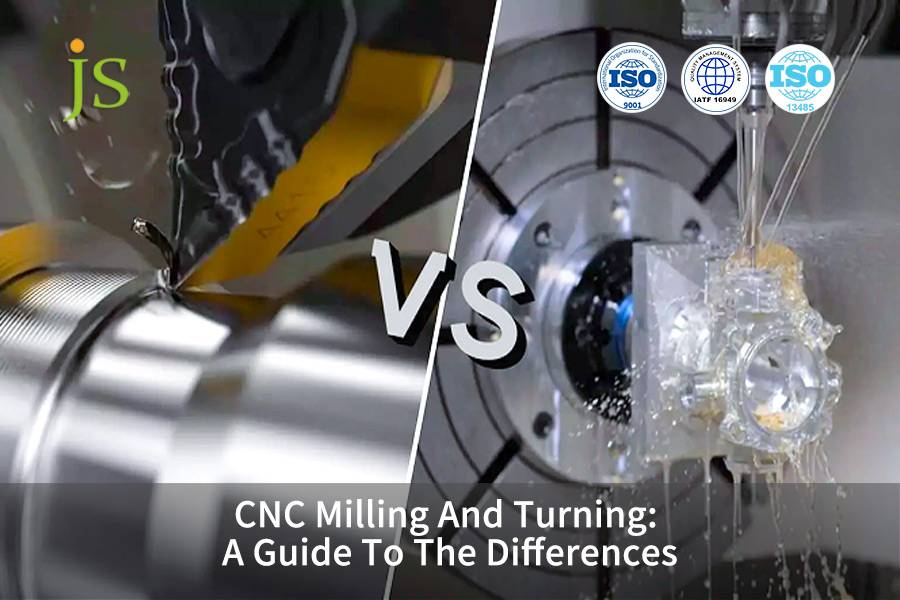

CNC milling and turning are the two core processes of modern precision manufacturing. When you need a precision part, the first choice you often have to make is: mill or turn? More complex yet is how to efficiently make parts that combine rotational features with irregular contours.
Understanding the fundamental differences and synergistic potential between CNC milling and turning is a crucial first step toward cost control and performance optimization. On the world manufacturing landscape-from CNC milling and turning Lithuania to industrial clusters in China-the decision on where to process the parts is important for the overall project success.
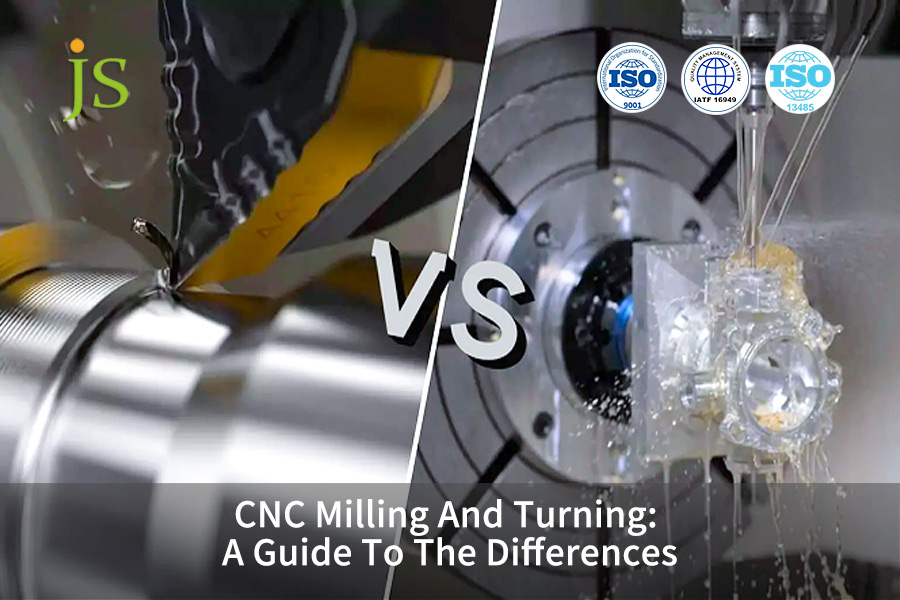
With 15 years of industrial experience, JS Precision hopes this guide, with its high reliance on practical experience, can help clarify the technical differences for you and, from a global perspective, explain why it, representing Chinese precision manufacturing, can provide you with the best comprehensive solutions beyond geographical limitation.
Core Answer Table
| Process Selection Dimensions | Core Characteristics of CNC Milling | Core Characteristics of CNC Turning | Comprehensive Advantages of JS Precision |
| Principle of Movement | Tool rotation, workpiece stationary or fed. Suitable for the machining of planes, grooves, and complicated curved surfaces. | Workpiece rotation, tool performing linear/curved feed. It is good at processing rotary body parts. | It has powerful CNC milling and turning service capability, intelligently recommending or combining the best process. |
| Typical Parts | Chassis shells, molds, plate parts, complex 3D contour parts. | Shafts, rods, sleeves, flanges, nuts and other symmetrical parts. | One-stop solution for machining "mixed" parts, avoiding processing errors in separate factories. |
| Cost Efficiency | Highly efficient in machining prismatic parts, which involve time-consuming programming of complex, curved surfaces. | High speed, low cost for machining rotating bodies, while it might have very limited capabilities when non-rotational features are to be machined. | Based on the design, perform a difference analysis between CNC milling and turning to offer cost-effective solutions. |
Key Takeaways:
- The highest turning efficiency: For pure rotary parts, CNC turning is the fastest and lowest cost choice.
- The widest milling capability: CNC milling is the only choice for complex geometries, planes, and cavities.
- Car milling composite is the future: Complex parts should be prioritized for car milling composite processing to reduce clamping and improve overall accuracy.
- Site selection determines total cost: Chinese manufacturing combines technological depth, supply chain efficiency, and scale cost advantages in CNC milling and turning services.
- Early collaboration is key: introducing manufacturing experts during the design and supplier selection stages can maximize value and avoid cost overruns in the later stages.
JS Precision Guide: Key Considerations For Choosing CNC milling and turning
Precisely, JS Precision has been deeply involved in the field of CNC milling and turning for 15 years.
Our equipment calibration and performance verification strictly follow the specifications for performance evaluation of CNC lathes in the American Society of Mechanical Engineers (ASME) ASME B5.57-2012 standard, which provides technical support for the stability and reliability of our machining accuracy.
We provide precision machining services for more than 100,000 parts to over 5,000 clients all over the world. Manufacturing parts range from aerospace and medical equipment to industrial sensors and automotive parts.
We have machined the structural parts of titanium alloy for a German aerospace company, finishing the main rotating surface by CNC turning and completing the complex hollowing and connecting hole by CNC milling. The positional tolerances could be controlled within 0.005mm.
We also customized stainless steel medical device accessories for US medical companies. The delivery time was shortened from 8 weeks to 4 weeks and the cost reduced by 25% after optimizing process connections.
This guide is a summary of tens of thousands of practical cases by my team and me. Every suggestion comes from real machining scenarios and data accumulation, hence, you can completely trust its professionalism and practicality.
Want to grasp the process selection logic ASAP? Immediately tell me the part type, precision requirements, and production quantity, and I will offer you free 1-on-1 CNC milling and turning selection advice to help you avoid the risk of process mismatch.
One Plus One > Two: How Does Combining CNC milling and turning Unlock Complex Part Manufacturing?
The modern complex part needs to integrate the advantages of two processes, thus, mill-turning composite technology comes into being. The synergy of CNC milling and turning breaks through the limitation in single processes, and the combination of CNC turning and milling is a key solution to manufacturing complex parts.
Mill-Turning Composite Center: Revolutionary "One-Stop Clamping"
Multiple clamping operations can easily lead to errors. Mill-turning composite machines can complete CNC turning and CNC milling operations in one clamping, without any datum conversion error at all, which really improves the key precisions like concentricity and perpendicularity, adapting to parts that have rotating surfaces and complex features.
Beyond simple superposition, design freedom brought by process synergy
A single process may allow only a limited design space, which could be broken free by the synergy between CNC milling and turning.
For instance, keyways, planes, or eccentric holes can be directly milled after turning a shaft. Traditional separate processes are prone to positional deviations, while composite machining can ensure symmetry and positional accuracy precisely. Composite machining unleashes the creativity of designers.
JS Precision's collaborative manufacturing strategy
JS Precision can deliver "quasi-composite" machining using stand-alone equipment, independent of mill-turning composite machines.
We implement precision process planning, establishing a unified benchmark system to clearly define the sequence and positioning benchmarks for CNC turning and CNC milling. Ensuring clamping accuracy, special fixtures enable the machining quality to be as good as composite machine tools.
How To Select The Optimal Material For Your CNC Turning And Milling Project?
Materials are the basis of CNC turning and milling, which directly affect the difficulty, efficiency, cost, and performance of machined parts.
Therefore, while considering process characteristics, it is crucial to take everything concerning the material into comprehensive consideration. Many customers have experienced extended machining cycles and part deformation and scrap due to improper material selection.
Turning-friendly materials offer easy chip breaking and a high surface finish.
CNC turning is a continuous cutting process, and the ability to chip break is crucial, with stability in cutting.
We recommend 12L14 free-cutting steel, C36000 brass, and 201 stainless steel. These materials contain special alloying elements, produce short chips that are easily detached, avoid entanglement, and are able to achieve Ra 0.8 or higher with ease, reducing the need for subsequent polishing.
Milling Adaptability Materials: Uniformity and Heat Resistance
CNC milling applies to the intermittent cutting with more frequent entry and exit, which generates more heat and puts higher demands on uniformity and heat resistance.
Among these materials, 6061/7075 aluminum alloy, PEEK engineering plastic, and titanium alloy perform very well. That is because these three materials have good isotropy, strong ability in heat dissipation or high-temperature resistance, and can reduce tool wear effectively.
Holistic View of Material Costs: Blank Shape and Utilization Rate
Material selection should take into account not only the unit price but also the blank shape and utilization rate.
For example, the material utilization rate of the block through CNC milling is less than 10%, whereas the material utilization rate of the round bar through CNC turning for the same material is more than 80%, saving more than 50% in material costs. JS Precision will give suggestions concerning structure optimization with regard to the part.
| Material Type | Process Compatibility | Core Advantages | Typical Applications |
| 12L14 Free-cutting Steel | CNC turning preferred | Easy chip breaking, smooth surface. | Precision shafts, fasteners. |
| 6061 Aluminum Alloy | CNC milling preferred | Lightweight with good heat dissipation, easy to process. | Brackets, Housings, and structural parts. |
| PEEK Engineering Plastic | Applicable to both | High temperature resistance, corrosion resistance. | Medical accessories, electronic components. |
| C36000 Brass | CNC turning preferred | Excellent machinability, good conductivity. | Connectors, valve cores. |
Not sure what material is best for your part? Send me the application, precision requirements, and working environment of your part, and I can offer a free CNC turning and milling material selection report that balances performance and cost.
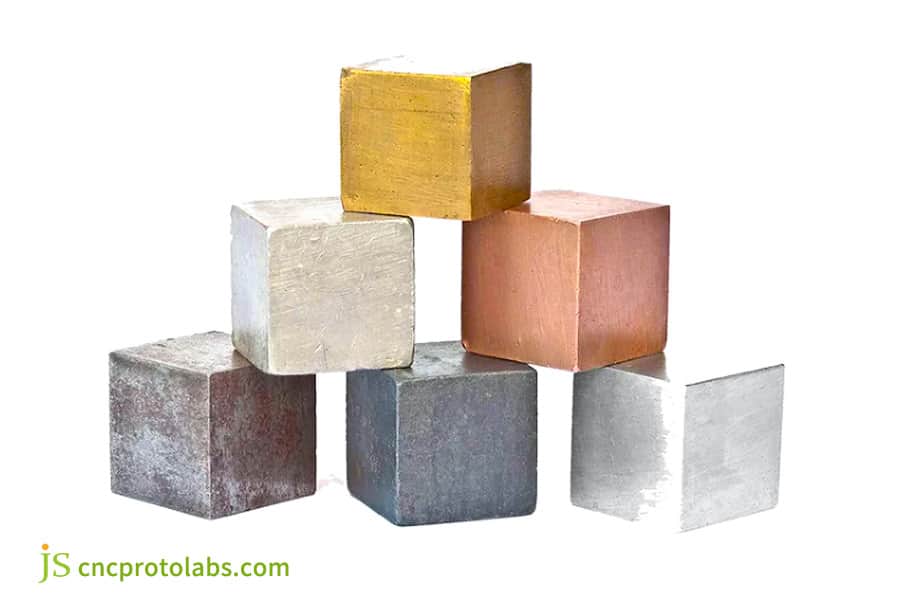
Figure 1: Each material has its most common use and different processing adaptability.
How Does The Fundamental CNC milling and turning Difference Dictate Tool Selection?
The cutting tool is the executor of the process. Its selection logic is rooted in the CNC milling and turning difference: the two processes have different motion modes, leading to great differences in requirements for tool structure, material, and geometry.
In order to achieve standardization and traceability in tool selection, modern CNC machining widely adopts the ISO 13399 standard, which is the foundation for JS Precision's large tool library to achieve intelligent management.
Turning Tools: Focused on Radial and Axial Contours
Workpiece rotation and linear tool feed are the basics involved in CNC turning, where the tool focuses on radial and axial contour machining. The tools generally used are external turning tools, internal boring tools, thread turning tools, parting tools-designed for continuous cutting to precisely control diameter and end-face accuracy.
Milling: Cutting Material Multi-Dimensionally
CNC milling involves the rotation of tools and the feeding of workpieces. This means material removal has to be effected along several directions, thus offering a wider variety of tool types. End mills, face mills, ball end mills, T-slot cutters, etc., make use of high-speed rotation of multiple cutting edges to get efficient multi-dimensional shaping.
How We Manage a Large Tool Library to Optimize Your Costs
JS Precision maintains a standardized tool library of more than 2000 tools to address all CNC milling and turning requirements.
An intelligent tool management system will automatically match the best tool and cutting parameter with the part material, structure, and machining requirements to avoid the extra cost of special tools. Unified maintenance and management are also ensured for the best condition of the tool.
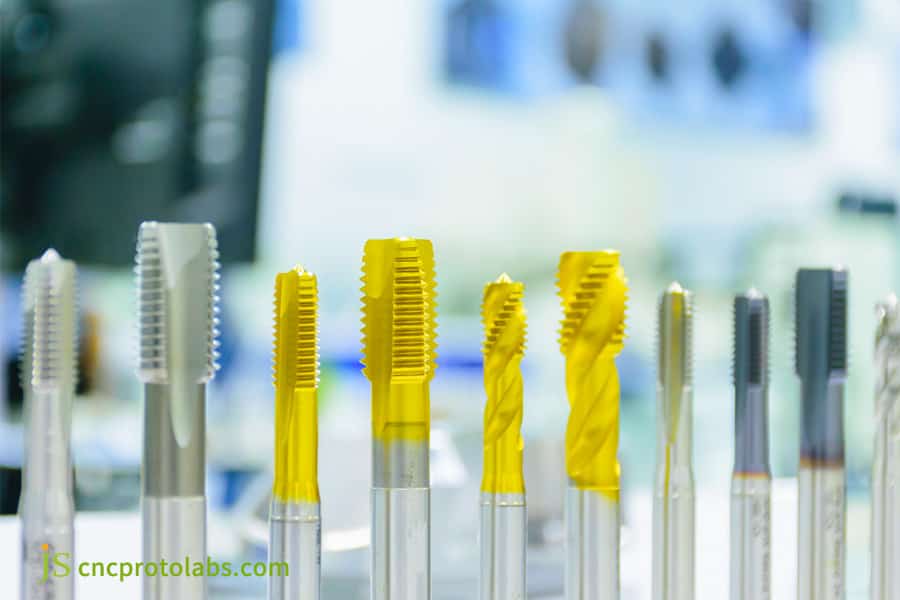
Figure 2: Choosing tools that match the material properties can significantly improve the quality of the final product.
Where Does The Cost-Effectiveness Difference Between CNC milling and turning Lie?
Why does one get quotes for CNC milling and turning of parts of the same material and comparable precision, which are different? The cost difference is rooted in physics. Understanding the cost logic behind the difference between CNC milling and turning can help avoid paying a premium for incorrect processes.
Material Removal Rate: Overwhelming efficiency of turning on Rotating Bodies
In the case of rotational parts, the material removal rate in CNC turning is much higher compared to that in CNC milling. Since it is a continuous cutting process, the contact between tool and workpiece is also stable, the cutting force is uniform, and a larger amount of material can be removed continuously.
Machining a 45# steel shaft uses only 15 minutes with CNC turning for roughing, while CNC milling takes more than 60 minutes, which is a big gap in efficiency.
Programming and Setup Costs: Milling is generally more complicated
CNC milling represents more costly programming and machine setup, especially in 3D surface machining. Complex path planning with the use of CAM software is required, and programming time is two to three times longer than for CNC turning.
Machine preparation is also more cumbersome in milling. Fixed costs are absorbed in the unit price, hence, milling is more expensive per unit in small-batch production.
Marginal Costs in Mass Production: Turning has greater economies of scale
Only when mass production reaches a certain scale, the advantage of CNC turning in cost will be reflected. After program debugging and tool preparation, the production cycle is short, the process is stable, and there is no extra cost for debugging.
However, even for batch production, some complex paths and tool changes also take up some time in CNC milling, so the unit cost goes down a little more slowly. Economies of scale are more pronounced in the turning of large quantities of rotating parts.
| Cost Dimensions | CNC Turning | CNC Milling |
| Material Removal Rate | High (Continuous Cutting) | Medium (Intermittent Cutting) |
| Programming Cost | Low (Simple Path) | High (Complex Path Planning) |
| Mass Production Marginal Cost | Rapid decline (significant scale effect) | Slow decline (high proportion of debugging costs) |
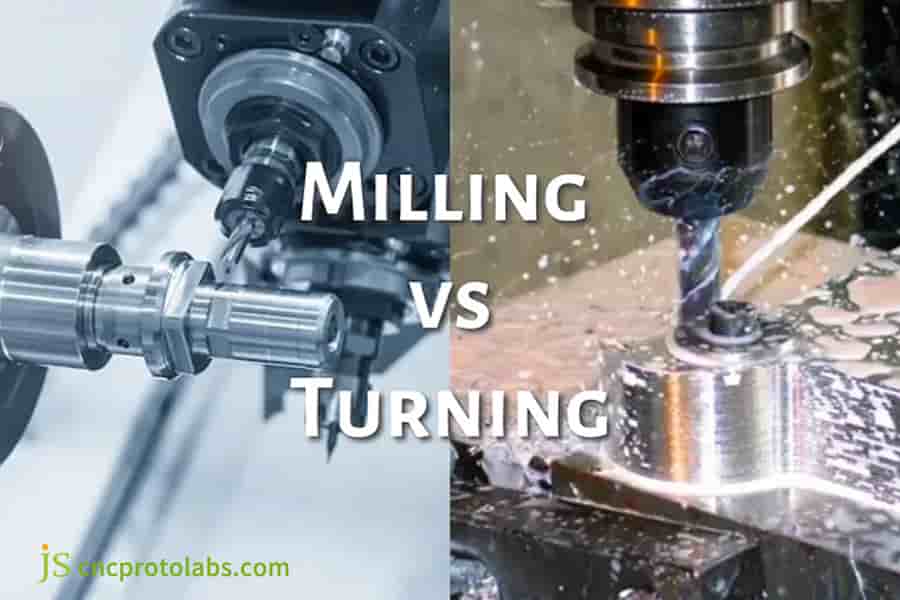
Figure 3: The cost difference between CNC turning and CNC milling depends on the complexity of the parts, materials, and production volume.
Beyond The Quote: What Truly Matters When Vetting Global CNC milling and turning Companies?
Searching globally for CNC milling and turning companies, there is one big mistake: just looking at the price. In reality, the success of a partnership will be truly determined by technical capability, supply chain resilience, and service philosophy-factors beyond the price quotation. This becomes all the more vital in cross-border collaborations.
Technical Breadth and Depth: Can you provide one-stop solutions?
Exclusive turning or milling plants are bound by their equipment and can only recommend the processes they can carry out.
JS Precision is one of full-service CNC milling and turning companies, having both core technologies available to objectively recommend the best solution based on the part characteristic. Parts with both turning and milling requirements can be done in one stop, reducing communication costs and quality risk.
Supply Chain Resilience: Local Clusters vs. Isolated Capacity
Different regions have various advantages in the supply chain. Although the CNC milling and turning Lihuania are highly specialized, their scale is limited, the support facilities are not complete, and the resistance to risk is weak.
The manufacturing clusters in the Yangtze River Delta and Pearl River Delta of China offer end-to-end support. JS Precision takes advantage of this to respond quickly to various processing requirements, in case of emergencies, it can ensure on-time delivery by means of cluster resource allocation.
Engineering Support Culture: The difference between passive order taking and active optimization
The top CNC milling and turning companies all possess the proactive capabilities of DFM/A. Upon receiving the order, JS Precision first analyzes the process feasibility of the part drawings and proactively proposes optimization suggestions.
We have encountered customers whose parts, because of the complex structures, cost high and have lengthy lead times. By adjusting the structure to adapt to CNC milling and turning processes, we can reduce costs by 30% without affecting performance.
Want to assess supplier reliability? Please state your needs for cooperation and core requirements, I can provide a "Global CNC Machining Supplier Evaluation List" and screen from multiple dimensions to select a high-quality partner.
How To Get Rapid Responses From Modern CNC milling and turning Services?
In rapid product development, the speed of response of the CNC milling and turning services directly influences time-to-market. Many customers suffer from project delays due to slow responses from suppliers, the selection of a service provider must be done with regard to speedy responses.
Digital Portal: 24/7 Instant Quotation System
JS Precision is developing a digital service platform to rule out waiting by manual operation.
You only need to upload a 3D model of a part, and the system will automatically analyze its manufacturability and give an accurate quotation instantly based on materials, processes, and quantities. Whether it's daytime or midnight, you can get the result in a few minutes, saving time for starting up your projects.
Structured Data Submission - Paving the Way for Efficient Communication
Communication delays are often caused by incomplete information. When inquiring about a quotation, it's better to prepare a complete list: part drawings (2D/3D), material type, production quantity, surface treatment requirements, precision tolerance standards, and delivery date requirements.
JS Precision will directly provide you with accurate solutions based on structured information so that no time will be wasted on confirmations.
Dedicated Project Manager: Your Single Point of Contact
To ensure smooth communication, each project is assigned a dedicated bilingual project manager (Chinese and English speaking).
No need to deal with multiple departments, process questions, progress inquiries, change requests, etc., all can be resolved in one stop with accurate responses within 24 hours. Seamlessly bridging the work rhythm between China and the US, eliminating communication barriers in cross-border co-operation.
Need a fast quotation for parts machining? Please upload your 3D drawings and inquiry information for my instant quoting with our digital system for CNC milling and turning services, and I will assign a project manager at the same time to follow through with the process.
From 3 Suppliers To 1: How JS Precision Consolidated A Multi-Part Assembly with Combined Milling & Turning
The combination of CNC milling and turning can bring in highly disruptive changes in the manufacture of multi-part assemblies. Here's a real-world case study that shows how we integrated processes to solve supply chain pain points.
Customer Dilemma
The core component of a US industrial sensor manufacturer is a three-piece assembly: a stainless steel machined housing, an aluminum alloy milled bracket, and a brass machined connector.
Previously, the production was subcontracted to three different factories, this meant high communication costs, greater risks of time and damage from the transportation of parts, and differences in standards between factories that resulted in less than 70% first-time assembly success rate, while a total assembly cycle was up to 8 weeks.
JS Precision Integrated Solution
After the customer approached me, my team and I conducted a full process analysis. We found that certain features of the aluminum alloy bracket could be optimized to allow most of its machining to be completed on a milling and turning machine, and simultaneously with the brass connector, reducing process changeovers.
We then redesigned the interface of the stainless steel housing and bracket, employing a locating pin hole structure and standardizing the tolerance benchmarks of the three parts to ensure assembly accuracy.
Ultimately, we centralized all the parts from the three materials in the JS Precision workshop, undertaking turning, milling, and other necessary drilling and tapping work through CNC milling and turning processes to achieve integrated production.
Results
Only one order need be managed by the customer after integration, this greatly simplifies the supply chain. The overall cost of components was reduced by 30%, delivery time was reduced from 8 to 4 weeks, and the first-time assembly success rate rose from under 70% to over 99%, thus thoroughly resolving core pain points and accelerating product iteration.
If you are also facing the challenge of producing multi-part components, please share your component structure and production requirements. I will develop a similar integrated CNC milling and turning production solution for you to simplify the supply chain, reduce costs, and shorten delivery times.
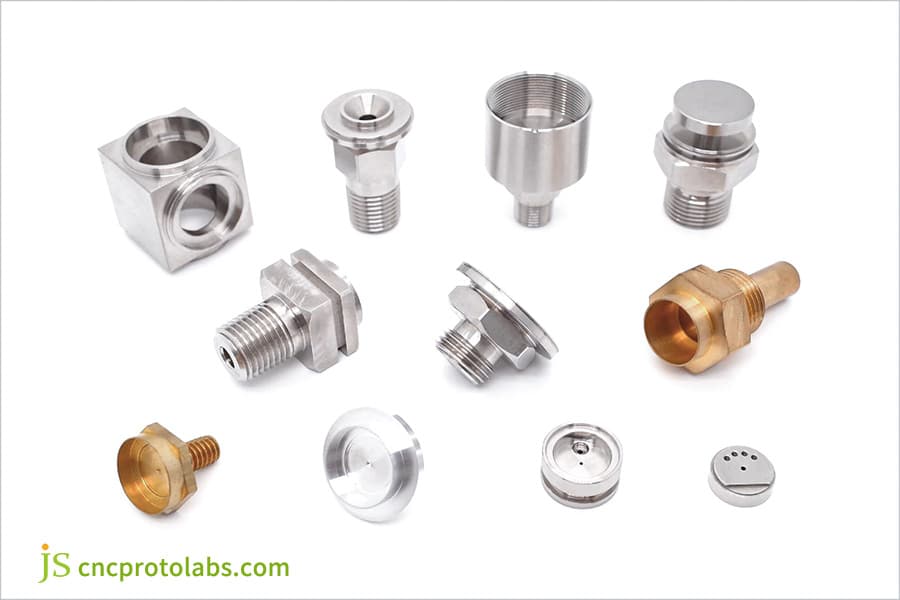
Figure 4: Key components of sensors
Why Is JS Precision Your Ideal Partner For CNC milling and turning Needs?
An excellent CNC machining partner is a collaborator in manufacturing solutions. Their reliable choice for JS Precision is the result of four core advantages.
- We have comprehensive technological capabilities, from precision lathes and multi-axis milling machines to state-of-the-art mill-turning centers. From simple rotating bodies to more complex, irregular shapes, our complete equipment matrix covers all CNC milling and turning requirements.
- Backed by profound industry roots, our engineering team is skilled both in process characteristics and collaborative techniques, it intervenes from the very beginning of product design with professional advice on manufacturability, supporting you to mitigate machining risks while optimizing costs.
- With a full supply chain and a manufacturing ecosystem based on China, we ensure efficiency and flexibility, offering precisions while allowing for more competitive costs and faster delivery cycles to help you compete in the global market.
- Based on customer-oriented principles, we keep transparency, professionalism, and swiftness in mind in every phase, starting from online inquiries up to after-sales service, so as to offer you smooth and hassle-free service.
FAQs
Q1: Can milling machines undertake turning operations? Or vice-versa?
Very inefficient and poor accuracy. Milling machines cannot rotate workpieces stably in the process of machining a circular surface, while lathes maintain a single tool movement in just one direction and thus cannot mill complex contours. Therefore, the CNC milling and turning process for a given part should be based on the characteristics of that part.
Q2: My part has both a shaft and a keyway. Should I do the turning operation first, or the milling operation first?
It is best to make the outer diameter of the main body by CNC turning first and then milling the keyway based on the turned outer diameter. In this way, the maximum symmetry between the keyway and the shaft can be achieved, with all processes in a single operation on a mill-turning machine.
Q3: Which gives higher accuracy- turning or milling?
Both these processes can realize micron level accuracy in their respective areas of excellence. Though roundness and cylindricity are at the best level for CNC turning, positional accuracy and complex contours prove superior with CNC milling. Overall precision depends upon machine tool performance and process control.
Q4: Why is the CNC machining more cost-effective in China compared with Lithuania or any other European country?
The core reason is scale effect and complete industrial chain. The gigantic manufacturing market in China promotes highly specialized division of labor and a super-efficient supply chain, from material supply to supporting processing, which greatly cuts the overall cost in CNC milling and turning.
Q5: Yes, we support the machining of mixed-material parts. An example could be a component containing metal and plastic parts.
We support the machining and assembly of mixed-material parts. The parts made of different materials can be separately machined by CNC milling and turning, then assembled by special processes. In addition, special processes such as in-mold injection can be done under the same conditions. You just need to provide your design requirements.
Q6: Is professional process advice available for small-batch prototypes?
Of course, we treat each prototype as a prelude to mass production in the future. No matter how many orders you have, we will provide professional advice on the CNC milling and turning process to optimize your design and make your product more manufacturable.
Q7: How long does the logistics take from China to the US/Europe?
We cooperate with international logistics providers to ensure stable delivery times. It takes about 3-7 business days by air and 20-35 days by sea freight. We assist with all export documentation and can also provide door-to-door service (DDP).
Q8: Why use JS Precision over local or European CNC machining plants?
Because JS Precision brings together in one package the following key advantages: technical capability and quality systems to match the very best European and American manufacturers, combined with supply chain efficiency and cost advantages of Chinese manufacturing, and customer experience based on deep engineering collaboration.
Summary
Choose between CNC milling and turning, even the choice of where to manufacture is never a simple multiple-choice question but a full consideration of technical principles, cost structure, supply chain logic, and the depth of collaboration.
With 15 years of practical experience, JS Precision hopes to work with customers on the road to precision manufacturing. Relying on professional technology, efficient service, and reliable quality, we will help you change your blueprint designs into high-quality products.
Whether it be a small batch of prototypes or mass production, we can provide tailored CNC milling and turning solutions to match your various manufacturing challenges.
Get the integrated manufacturing solution now!
Please feel free to visit the JS Precision website and upload your part drawings. In 24 hours, you will have a detailed optimization report showing clear differences and advantages/disadvantages between pure milling, pure turning, and mill-turning hybrid solutions. Let us bring professional insight into finding the clearest and most efficient manufacturing path for your project.

Disclaimer
The contents of this page are for informational purposes only.JS Precision Services,there are no representations or warranties, express or implied, as to the accuracy, completeness or validity of the information. It should not be inferred that a third-party supplier or manufacturer will provide performance parameters, geometric tolerances, specific design characteristics, material quality and type or workmanship through the JS Precision Network. It's the buyer's responsibility Require parts quotation Identify specific requirements for these sections.Please contact us for more information.
JS Precision Team
JS Precision is an industry-leading company, focus on custom manufacturing solutions. We have over 20 years of experience with over 5,000 customers, and we focus on high precisionCNC machining,Sheet metal manufacturing,3D printing,Injection molding,Metal stamping,and other one-stop manufacturing services.
Our factory is equipped with over 100 state-of-the-art 5-axis machining centers, ISO 9001:2015 certified. We provide fast, efficient and high-quality manufacturing solutions to customers in more than 150 countries around the world. Whether it is small volume production or large-scale customization, we can meet your needs with the fastest delivery within 24 hours. Choose JS Precision this means selection efficiency, quality and professionalism.
To learn more, visit our website:www.cncprotolabs.com