English



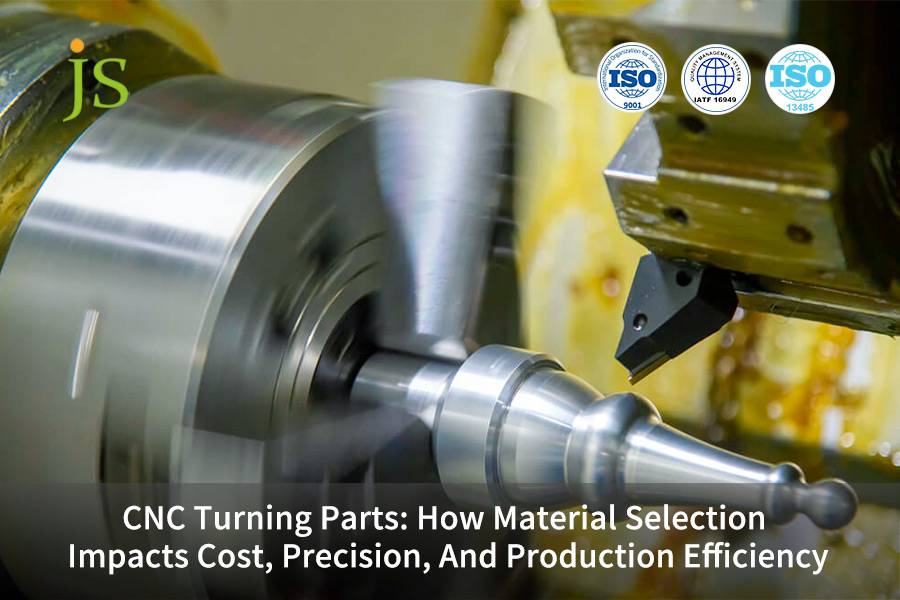

For CNC turning parts, it should be noted that material choice has a silent impact on CNC turned parts costs, precision limitations, and production efficiency on the production line. A small change to a material choice can result in an unpredictable lifespan of CNC lathe tools, an exponential growth of scraps, or an unpredictable delivery time.
When you’re seeking a trusted CNC turned parts supplier, do they have the ability to machine your part or provide you with a consulting expert who can optimize the supply chain?Years of my experience, as a service provider in the CNC turning industry, have taught me that material choice is the direct basis for cost, precision, and efficiency in part manufacturing.
This manual combines JS Precision’s practical knowledge with the latest knowledge in the industry, in an attempt to inform you on the way in which the characteristics of various materials will influence the entire production process, so you can avoid any risks at the moment of choosing materials.
Core Answers Table
| Decision Dimension | Common Misconceptions | JS Precision's Solution |
| Cost and Precision | Possibly thinking that harder, stronger materials are a prerequisite for optimum performance, without consideration for the consequences to machineability, the cost of the cutting tools, and stability related to precision. | We provide materials science analysis based on application scenarios to find the optimal balance between performance, processability, and cost, ensuring the stable achievement of CNC precision turned parts. |
| Efficiency and Waste | A cost consideration that concentrates solely on the unit price of materials, without regard to the total cost effect of raw materials usage, efficiency, and waste. | Through professional DFM and billet optimization strategies, our CNC turning services are committed to maximizing material utilization and reducing waste costs from the source. |
| Supply Chain and Collaboration | Treating material choice as a standalone process, not collaborating with the manufacturer at an early stage, causing issues with manufacturing and longer lead times. | As your extended team, on everything from material choice and other solutions to suggestions on heat treatment, improving the entire supply chain of custom turned parts. |
Key Takeaways
Material is the first principle cost driver: the cost of the material, how easily it can be machined, and the tools required drive the cost of a CNC turned parts.
Machability is a factor that dictates precision and speed, as the hardness, toughness, and temperature traits of a material have a direct influence on dimensional stability, surface quality, and production time.
Early collaboration is essential in cost savings: Collaborating with a CNC turned parts manufacturer early in the design process, like JS Precision, enables maximization of their process knowledge.
Machinability of Material in low volume Production: When it comes to low volume production, machinability of materials plays an even bigger role in CNC turning parts. In low volume CNC turning parts, machinability of materials should be maximized.
Reliable suppliers have systematic solutions: Top-level CNC turning parts supplier should have a comprehensive knowledge of materials science, process engineering, and the basics of supply chain management in order to offer the best options.
JS Precision Experience: Material Selection For CNC Turned Parts Affects Cost And Precision
With vast expertise of 15 years in the CNC turnings industry, our company has been able to satisfy the requests of more than 5000 international clients. It has been able to finish more than 8000 projects as well.
We are well aware of the properties of over 300 turning grades of materials, like 6061 aluminum alloy, commonly known as the industry-grade 6061 aluminum alloy material, whose mechanical processing properties and heat treatment conditions are precisely specified in the ASTM B221/B221M-24 standard. All this helps us identify the right grade of material based on the suitability of the application conditions.
For instance, we had optimized the processing speed, spindle speed, and cooling system for the processing of titanium alloy connectors. This was for one of our clients who dealt with medical equipment.
Our engineers were able to reduce the processing time perpiece by 18% and the life of the tools by more than 2 times. Finally, with the same accuracy of ±0.01mm, the processing time was able to reduce the total processing cost by 15%.
This article contains a summary of our own experiences from innumerable similar situations in the past. All of these points have been tested in production, therefore, you can trust this information. Hopefully, from these situations in the past, we can provide you with some helpful advice in avoiding issues in selecting materials for CNC turned parts.
Interested in getting the case study information of JS Precision’s CNC turning parts materials selected optimum based on ISO standards? Just get in touch with us and provide the usage and performance criteria of your product, and you will receive free personal guidance to avoid the mistake of material selection.
How Does Material Hardness Dictate The Accuracy Of Your CNC Turning Parts?
After comprehending our practical experience, we will discuss the very important aspect of the hardness of materials because this is a critical determinant in the difficulty level of the CNC turning process, in turn, this will influence the accuracy level of the CNC turning parts.
High-hardness material is wear-resistant but requires high pressure for processing, and soft material is easy to cut but may impact the strength and size stability. It is a tricky job to achieve a balance.
Influence of Hardness on Tool Wear and Size Variations
When machining a workpiece with a hardness value of HRC30 or higher, the tool wear occurs on the flank face of the cutter with the result that the contact between the tool and the workpiece changes, and this leads to a variation in the dimensions of the CNC turning parts.
How Cutting Heat Reduces Accuracy in Soft Materials
Low cutting resistance and easy accumulation of cutting heat are properties of soft materials like aluminum alloys. Inadequate cutting fluids or conditions may result in localized expansion due to heating, which subsequently contracts because of cooling. This may lead to a loss of control in sizes and failure to meet the accuracy standards.
Material Stability: Long-Term Accuracy & Stress
The cold-drawn bar stock will have residual machining stresses, whereas the forged blank will have evenly distributed stresses.
During the CNC turning process, stress release can cause small deformations in the parts, and ISO 286-2:2010 explicitly requires that the long-term dimensional fluctuations of precision parts be controlled within 30% of the tolerance range, which imposes strict requirements on the material stability of CNC precision turned parts.
How Do Top CNC Turned Parts Manufacturers Optimize Material Yield?
Material utilization has a direct impact on production costs. Best CNC turned parts manufacturer use multi-dimensional optimization to achieve optimized material utilization. JS Precision possesses abundant experience in this area.
Intelligent Nesting and Blank Optimization: Reducing Waste from the Start
Enter exactly the bar specifications required for parts, lay out multiple parts using nesting software, and focus on the smallest blank possible. Material consumption could be lowered by 30%.
Process Path Optimization: Attaining Objectives with Reduced Cutting
It is necessary to rationally allocate processes for rough and finish turning, use near-net-shape blanks, and minimize the volume of material during turning. This will enable material utilization to exceed 25%.
Value-Added Waste Management: Recycling and Circular Economy of Chips
A categorized recycling system for selling different material chips must be established. This directly results in reduced costs for the customers of the products produced in a win-win situation of green manufacturing and cost savings.
Want to make the most of your material usage? Upload your part drawings to JS Precision, and our process engineers will combine intelligent nesting and process optimization to develop a customized material saving plan for you, making the production of CNC turned parts manufacturer more cost-effective.
Which Materials Are Champions For Producing CNC Precision Turned Parts?
For CNC precision turned parts to really qualify as a premium product, it must utilize a suitable material. These materials are already optimized for ultra-high precision turning processes.
| Material Categories | Typical Material Grades | Essential Benefits | Usage Scenarios |
| Free-cutting Alloys | 12L14, 1215, C36000 | Strong chip breaking ability, excellent surface finish, highly efficient. | Electronic components, Fasteners, Connectors |
| Heavy-Metal Precipitation Hardened Stainless Steel/ Low-Stress Aluminium Alloy | 17-4 PH/ 6061-T651 | High dimensional stability. Less deformation in processing. | Aerospace components/ Precision instruments |
| Low-Deformation Tool Steel / Invar Alloy | P20, Invar 36 | Low thermal expansion coefficient, wear resistance. | Measuring instruments, high-end mold components |
Grassroots History - Free-Cutting Alloys: The "Formula" Born
Free-cutting steel and brass have additives such as lead and sulfur, that lower tool drag, facilitate_chip breaking, and enhance surface finish, making it an inexpensive material choice for CNC precision turned parts.
The King of Stability: Precipitation Hardening Stainless Steel and Low-Stress Aluminum Alloy
The process of 17-4PH offers resistance to elevated temperatures, good strength, and resistance to corrosion. The 6061-T651 process in aluminum alloy removes any stress inside, which makes it ideal for accurate processing with minimal deformation.
High-End Options: Low-Deformation Tool Steel and Invar Alloy
The pre-hardened low deformation tool steel is known to provide a good degree of dimensional stability, in addition, the Invar alloy is known to possess a thermal expansion coefficient with a low value.
Confused about which material to choose in making your CNC precision turned parts? JS Precision will recommend for you a suitable material solution, and even a trial cutting service in small batches to check the processing efficiency of said material.
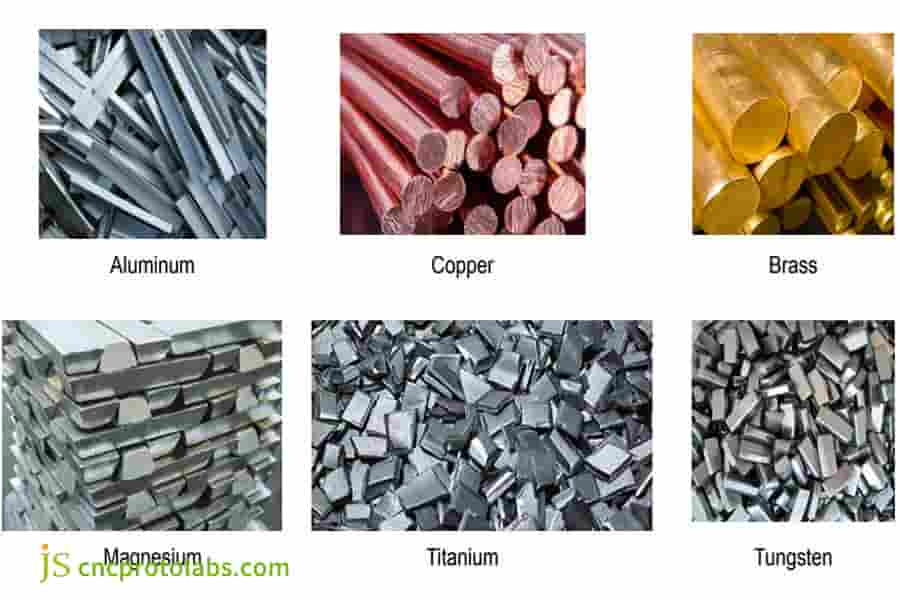
Figure 1 Numerical control turning can process various materials, including metals (such as aluminum, steel, brass, and titanium), plastics, and composite materials.
How Can Your Material Choice Accelerate or Delay Custom Turned Parts Delivery?
The time involved in the delivery of custom turned parts depends directly on the material used for the product. Accessibility of the material, pre-processing involved in the material, and difficulty involved in the machining process also help in the determination of the delivery time
Supply Chain Timeline: Standard Stock Materials vs. Special Order Materials
Common materials like 6061 aluminum alloys and 303 stainless steel are commonly found in inventory, and the procurement time is 1-3 days, special materials like titanium alloys and high-temperature alloys need special procurement, and this takes 4-8 weeks.
Pre-processing Waiting Time: Indispensable ‘Resting’ and Heat Treatment
Some materials need a resting period to relieve stresses, taking 24 to 48 hours, and tempering heat treatment is required for high-strength steel. Additionally, secondary heat treatment could also be required if rough machining processes are involved, adding 3 to 10 days to the total time scale.
Machining and Post Processing Efficiency Variation: From Lathe to Surface Treatment
Machinable materials have a cutting speed ranging between 100-150m/min, whereas it is merely 10-20m/min for the titanium alloy group, and any special surface treatment takes around 5-7 days, hence delaying the entire delivery schedule.
How Do Material Properties Dictate The Lifecycle And Cost Of Your CNC Lathe Tools?
The life of CNC lathe tools and their cost depend directly on the material type, as different materials cause different kinds of tool wear.
1.Abrasion: "Grinding" Based on the Hardness of the Material
High-silicon aluminum alloys and powder metallurgical materials have hard particles that make a tool coating and substrate dull quickly, thereby leading to a life span of 1/5 that of regular coated tools.
2.Thermochemical Wear: “Fusion” and Diffusion at High Temperatures
In turning stainless steel and nickel-based alloys, temperatures in the cutting zone can reach 800-1000℃. The bondings of workpiece and tool coatings, with element diffusion, contribute to crater wear.
3.The Cost of Insufficiency of Toughness: Micro-Chipping During Machining of Brittle Materials
In the case of turning cast iron and cemented carbide workpiece materials, the cutting edge has the tendency to get affected by the impact forces, leading to micro-chipping.
Looking to cut down on costs involved in using CNC lathe tools? Get in touch with JS Precision. We will be able to provide you with recommendations regarding the nature of the tools to be used in relation to the nature of your material.
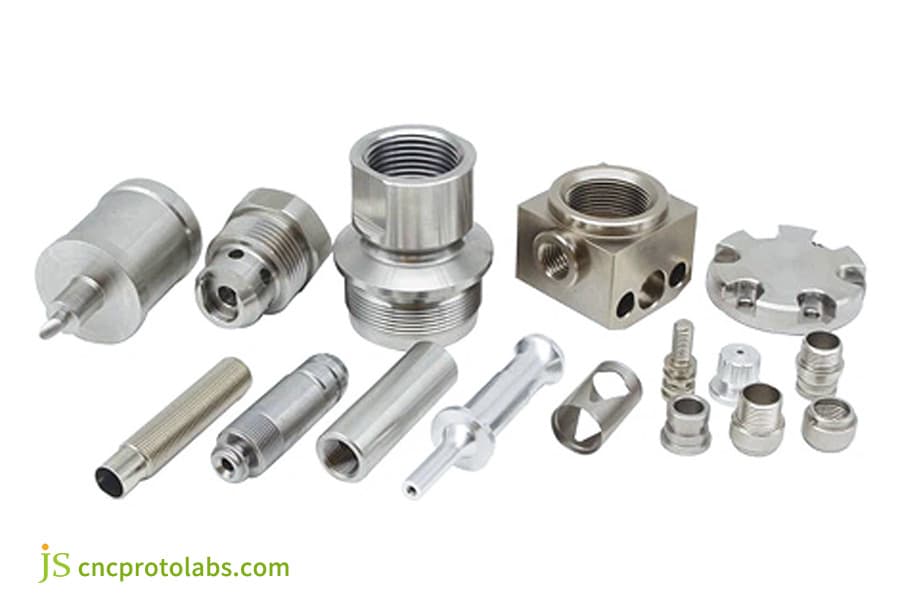
Figure 2 The quality and preparation of the workpiece material will affect the tool life.
How To Leverage CNC Turning Services For Maximum Material Efficiency?
To achieve maximum material use efficiency, it is essential to hire professionals for CNC turning services. JS Precision has a holistic plan for material efficiency from the design stages to mass production.
Design for Manufacturability – Design for Lightweighting and Near-Net Shapes
By offering suggestions on Design For Manufacturability (DFM) and embracing designs like Hollow Structures and Near-Net Shape Blanks, the consumption of materials could be reduced by over 22%, thus lowering unit costs.
Strategy for Aggregation of Orders and Blank Sharing
When it comes to low volume CNC turning parts, grouping various orders and using common blanks with the same specifications decreases material scrap from 15% to less than 5%.
Implementation of Advanced Processes: Waste Reduction – The Benefits of Cold Forming and Turn-Milling
Through the use of cold heading and knurling to create some of the features and turn-milling to minimize clamping time, the metal removal amount has been greatly reduced and efficiency improved.
Machinability: The Key To Success For Low Volume CNC Turning Parts
In the case of low volume CNC turning parts, the machinability of the material is of much greater significance compared to optimal performance functionality, as it impacts cost, delivery, and risk.
| Material Type | Machinability Rating | Single Part Machining Time | Tooling Cost Percentage |
| 12L14 Free-Cutting Steel | Good | 10 minutes | 5% |
| 304 Stainless Steel | Medium | 25 minutes | 15% |
| Titanium Alloy Ti-6Al-4V | Poor | 60 minutes | 30% |
Unit Cost Composition: The Reason Behind Greater Machinability Sensitivity While Using Small Volumes
For small-batch orders, the cost of fixed costs is 60%-70%. Materials which can easily be machined have short processing time, and changes and debugging costs can even make the cost per unit differences of nearly a double.
Speed is Everything: The Need for Rapid Iteration and Market Validation
The utilization of materials that are simple to machine, such as 12L14 steel and 6061 aluminum alloy during the R&D stage enables rapid prototype delivery in 3-5 days. This expedited the product development validation process, which would be delayed by 2-3 weeks in difficult to machine materials..
Reducing Barrier to Entry: Stabilizing the Process
Materials that are easy to process have an evaluation qualification rate of over 99%, which mitigates difficulties such as dimensional instability and defects on the surface of difficult-to-machine materials.
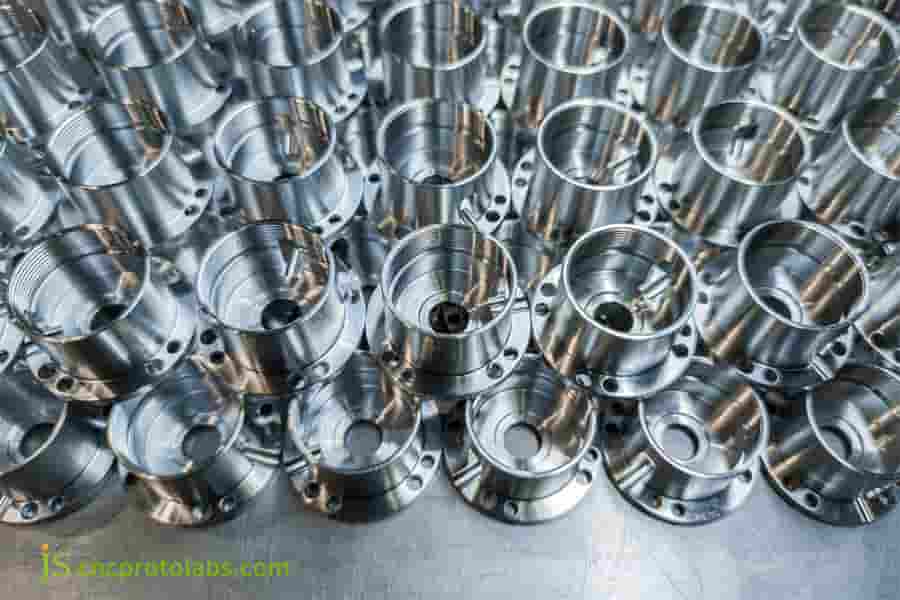
Figure 3 Small batch CNC machining refers to the use of CNC equipment to produce parts in small quantities, typically ranging from tens to thousands of pieces.
Cost Reduction Of 28%: Material Replacement And Process Optimization Reshape CNC Turning Of 10000 Sensor Housings
Background and Challenges
The company involved was an industrial sensor company that required 10,000 sensor enclosures. The material used initially had been 304 stainless steel, which had a unit price of $8.5. The major issue that developed was that of work hardening, which made tools wear out quickly, causing efficiency and budget issues.
JS Precision Solution
JS Precision engineers performed a value engineering analysis for the material first. We determined, however, that the customer's operating environment was not an extreme chemical exposure and thus the high corrosion resistance of 304-grade stainless steel was not required.
Consequently, we proposed a modification of the material to leaded free-machining stainless steel 416. This material retains a good level of resistance to corrosion, but its machining properties are greatly enhanced to enable speeds of up to 80m/min.
Taking into consideration the nature of the 416 material, the cutting conditions had to be optimized, with the feed rate varied from 0.1mm/r to 0.2mm/r, while adopting more economical TiN-coated cutters. The tool life, earlier 200 pieces/tool, was now enhanced to 800 pieces/tool.
Furthermore, based upon the final dimensions of the part, we accurately calculated the purchase bar stock diameter from Φ32mm to Φ30.5mm so that the chips produced per part would reduce and material usage would enhance by 12%.
Final Achieved Results
Unit cost decreased to $6.12, down by 28%, yielding savings of $23,800, processing ability increased by 35%, lead time shortened from 25 days to 18 days, generating a very high level of customer satisfaction.
Interested in achieving similar cost savings? Share your component needs and pain points with JS Precision, and we will design a personalized cost savings strategy for you based on component substitution or other techniques so that CNC turning services can add more value for you.
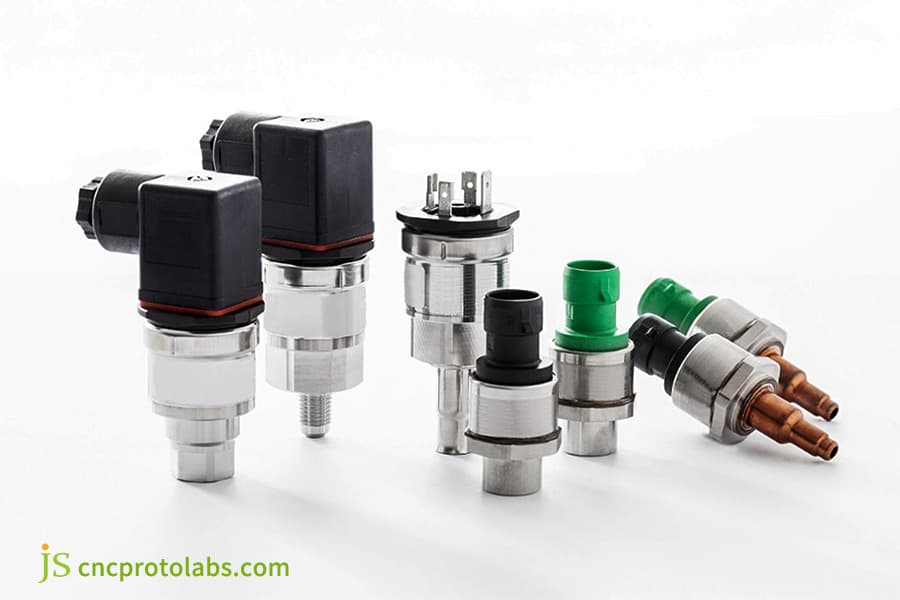
Figure 4 High-Quality Custom Sensor Parts
As a Reliable CNC Turning Parts Supplier, How Can JS Precision Guide The Best Selection?
At JS Precision, being one of the leading CNC turned parts supplier, we can help you through the entire process of choosing the right material.
- Detailed communication refines vague requirements to specific terms, like "corrosion resistance" relating to appropriate grades of material.
- Provide cost-effective alternative solutions, such as replacing 303 with 416 stainless steel and 7075 with 2024 aluminum, without sacrificing critical performance.
- Provide small-scale trial production of custom turned parts to verify the compatibility between materials and processes, ensuring feasibility for mass production.
FAQs
Q1: What are the differences between machining aluminum alloys and machining stainless steel?
The principal distinction is the removal of heat and work hardening. Aluminum is a good conductor of heat, hence, the attention during the machining process is directed toward the removal of the chip and the prevention of the built-up edge. It lacks conductivity of heat, the cooling process must be efficient, and work hardening must also be prevented.
Q2: Why is the surface of free-machining steel (such as 12L14) smoother?
The additive components of free-cutting steel, like lead and sulfur, create a lubricating layer on the chips when a machining process happens, thus making the surface of the product created smoother since there would be less friction between the cutting tool and the chips.
Q3: How is it that production costs for small batches of titanium alloy components are so unreasonably high?
The cost of the titanium alloy material itself is high, and the cutting speed needs to be very low to avoid combustion during the cutting operation. The equipment needed for cutting the titanium alloy needs to be very expensive and high-pressure cooling equipment. Smaller production quantities cannot handle the cost associated with the debugging of the processes and equipment.
Q4: Do you supply material certificates?
Of course. We issue original material certificates (MTC) for all critical projects, which inform us about the chemical composition, mechanical strength, and other values of the material, thereby enabling the traceability of the material source and performance. It is a basic requirement of our quality management system.
Q5: How much accuracy can typically be attained in turnings?
For medium-sized CNC precision turned parts, under mass production, it is possible to keep a stable diameter tolerance within ±0.005mm, and roundness to a value of 0.003mm. The above precisions will be slightly different according to material property and processing techniques.
Q6: Will the diameter tolerance of the bar stock impact the cost of my parts?
Yes, it will. We can buy high-precision bar stocks with tight tolerances (like h11). This will be costly, however, it will cut down the machining allowance, thus, it will save time as well as cost associated with tools. We will determine the optimal value of the bar stock tolerance.
Q7: Does your company offer material substitution tests?
Yes. In the case of long-term business partners requiring either cost savings or optimization, we might organize small-scale trial manufacturing so as to compare the feasibility of the alternative with regards to size accuracy, surface quality, performance characteristics, or any such requirements.
Q8: What are the major benefits in collaborating with JS Precision rather than other turning service suppliers in your region?
We offer highly integrated material engineering, overall cost optimization from the perspective of DFM to mass production, and a collaborative experience based on a digital platform, enabling us to offer you the most cost-efficient, highest-precision, and fastest CNC turning parts solution.
Summary
Material selection is described as the invisible steering wheel of CNC turning parts manufacturing. Using the pertinent material results in manageable cost, accurate dimensions, and proper and efficient delivery, but using the wrong material is a source of numerous problems.
Right from choosing the easiest to machine entry-level materials in the context of low volume CNC turning parts to selecting the “champion” alloy based on the “best performing” parameter in the context of high-volume critical components, each decision results in building ‘margins of competitive advantage.’
Do not consider material choices as isolated events.
Get in touch with us today at JS Precision’s engineering staff and give us your part drawings and performance needs. We will give you a free quote on our CNC turning services aside from a complimentary “Material Selection and Process Optimization Recommendation Report”. We can work together to use each material as well as possible and make every piece count so much.

Disclaimer
The contents of this page are for informational purposes only.JS Precision Services,there are no representations or warranties, express or implied, as to the accuracy, completeness or validity of the information. It should not be inferred that a third-party supplier or manufacturer will provide performance parameters, geometric tolerances, specific design characteristics, material quality and type or workmanship through the JS Precision Network. It's the buyer's responsibility Require parts quotation Identify specific requirements for these sections.Please contact us for more information.
JS Precision Team
JS Precision is an industry-leading company, focus on custom manufacturing solutions. We have over 20 years of experience with over 5,000 customers, and we focus on high precisionCNC machining,Sheet metal manufacturing,3D printing,Injection molding,Metal stamping,and other one-stop manufacturing services.
Our factory is equipped with over 100 state-of-the-art 5-axis machining centers, ISO 9001:2015 certified. We provide fast, efficient and high-quality manufacturing solutions to customers in more than 150 countries around the world. Whether it is small volume production or large-scale customization, we can meet your needs with the fastest delivery within 24 hours. Choose JS Precision this means selection efficiency, quality and professionalism.
To learn more, visit our website:www.cncprotolabs.com
Resource