English



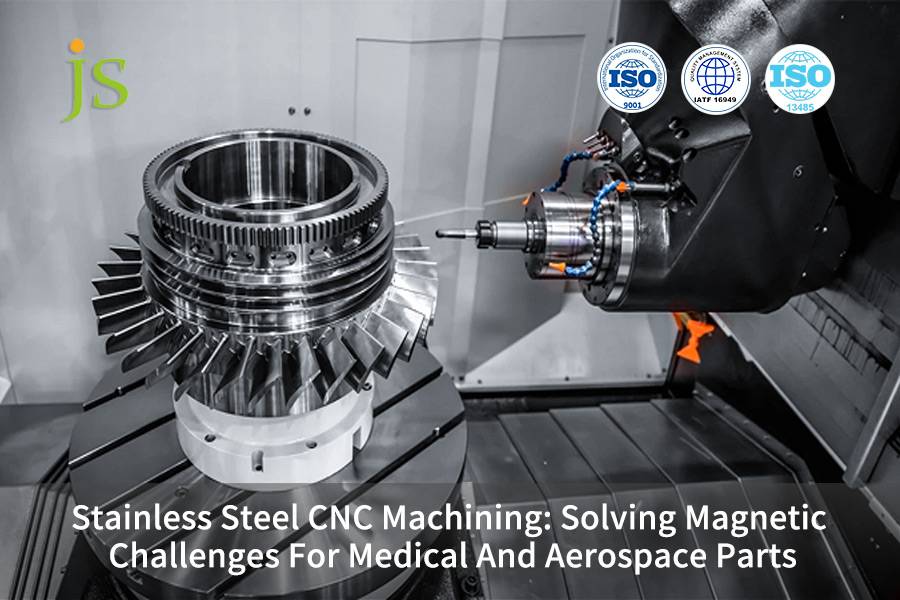

In stainless steel CNC machining, it has been found that non-magnetic properties are less considered in critical regions.
Image that an MRI scanner at a hospital having image artifacts because of the latent magnetic properties of a minute stainless steel part, hindering doctors from properly diagnosing a patient, or an inertial measurement unit at an aerospace company being fooled by its weak external magnetic interference, endangering flight operations.
Such scenarios are not speculative theories and can occur because of an inappropriate selection of machining tools.
The upcoming detailed explanation presented in this paper regarding the technological key points and material selection for non-magnetic stainless steel CNC machining will significantly help medical and aerospace-related businesses remove magnetic dangers and ensure machinery and device stability in extreme operating conditions.
Core Answer Summary
| Core Questions | Key Answers | Value for You |
| What is magnetic interference in stainless steel parts? | Choose austenitic stainless steel (type 316), use a fully controlled magnetic process with programming to low temperatures. | Get good imaging or aerospace data. No system failures or brand crises. |
| How to choose between 304 vs 316 stainless steel? | 316 Stainless Steel has enhanced corrosion resistance and non-magnetic properties because of its molybdenum component, making it more desirable for applications requiring more reliability. | Make informed material decisions based on the application environment, balancing performance and cost. |
| Why contract professional stainless steel CNC machining? | Specialist providers, like JS Precision, have their own techniques, permeability testers, and credentials in the industry. | Getting the whole quality loop eliminates your need to deal with complicated production challenges, freeing you to focus on your innovation. |
Key Takeaways:
- Properties of magnets: Performance poisons: In MRI machines and navigation systems, a permeability constant greater than 1.01 leads to disasterous failures.
- Process and materials are equal in importance: While it’snecessary to make all components out of 316 stainlesssteel, it’s equally important to avoid introducing magnetic properties by means ofwork hardening.
- Verification is very important: Suppliers must have valid permeability proof, not just material evidence.
- High-value solutions from Chinese supply chain: JS Precision offers premium solutions by leveraging their advanced equipment, specialized knowledge, and cost competitiveness in CNC machining stainless steel.
Why Trust This Guide? JS Precision's Stainless Steel CNC Magnetic Solutions
As a technology-driven company with 15 years of experience in stainless steel CNC machining, JS Precision has solved non-magnetic machining challenges for over 500 medical and aerospace clients worldwide, including 12 of the world's top 20 medical device manufacturers and 8 aerospace component suppliers. For five consecutive years, the magnetic permeability pass rate of delivered components has remained at 99.7%.
We are equipped with a Foerster Sigmameter FMP30 high-precision testing instrument with a measurement accuracy of 0.001μr, and have built a library of over 200 proprietary magnetic control process parameters, allowing us to strictly control the work-hardened layer depth of 316L within 5μm.
Our solutions are certified by both ISO 13485 (medical) and AS9100 (aerospace) standards, strictly adhering to the ASTM A240 standard's requirements for the control of non-magnetic stainless steel.
For example, we solved the problem of excessive magnetic permeability in MRI coil supports for a European medical device manufacturer. We completed process optimization in just 15 working days, reducing the component's magnetic permeability from 1.08 to below 1.005, helping the client successfully pass FDA approval and reducing their annual losses by over $2 million.
With a mature process system, dedicated testing equipment, and a large number of successful cases, we can provide you with verifiable non-magnetic processing solutions.
Want to know if your parts meet non-magnetic requirements? Submit your part drawings now, and JS Precision engineers will provide you with a free feasibility analysis and process recommendations for permeability control.
What Is Non-Magnetic Stainless Steel CNC Machining And Why Is It Critical?
When it comes to non-magnetic stainless steel CNC machining, this is more than cutting. The essence is about how to limit the magnetism and process precisely at the same time.
The CNC machining technology has a precision of ±0.01mm, complex interior holes, and a surface roughness of Ra < 0.8μm, which provides a foundation for the production of performance parts.
Beyond Cutting: Precision Engineering for Mission-Critical Operations
CNC machining of stainless steel involves overcoming the limitations of material properties and utilizing multi-axis linkage and online inspection systems to make precise cuts on complex structures.
For instance, satellite waveguide assembly must have internal structure characteristics conforming to specifications that are not only within a tolerance limit of ±0.008mm but must also have surface finish specified as Ra < 0.4µm, which is only possible by using specialized precision equipment.
Why It's a Must, Not an Option, in Medical and Aerospace Fields
- In terms of biocompatibility for implantable devices, implants must have non-magnetic properties as well. According to ASTM F138 standards, implantable stainless steel must have stability and non-magnetic properties.
- In terms of aerospace applications, implants must have resistance to extreme temperatures and corrosive environments. Non magnetism is a mandatory requirement to avoid signal interference.
On one hand, it also requires corrosion resistance and a strong ability to withstand material usage. On the other hand, it requires non-magnetic stainless steel CNC machining.
The Tangible Business Cost of Ignoring Magnetic Control
Magcontrol disregard can cause unnecessarily high business expenses: product recall can average over $5 million per case, failure of FDA/CE certification can cause delays of 6-12 months for launching into the market, and costs of magnetic interference-related lawsuits and damage to business reputation are not calculable.
Want to mitigate the business risks associated with magnetic control? Contact JS Precision to obtain the "Non-magnetic Stainless Steel Machining Risk Assessment Checklist" to proactively identify potential problems in design and processing, reducing the probability of project failure.
Where Do Magnetic Challenges Matter Most? CNC Machining Aerospace Parts And Medical Devices
CNC machining aerospace parts and medical CNC machining are the two most sensitive areas of magnetic issues, and even weak magnetism with a permeability greater than 1.01 can lead to catastrophic consequences.
Aerospace: When Weak Magnetism Becomes a System-Wide Interference
In the aerospace industry, magnetic sensitivity is possible in various parts, like satellite waveguide components, IMU casings, and fuel/oxygen system valves, by interfering with geomagnetic sensors, radio frequency signals, and microcurrent measurements. For instance, a magnetic IMU casing could raise positioning errors in flight navigation systems and thus affect flight safety.
Medical field: The absolute red line of safety and precision
Medical CNC machining involves MRI coil supports, LINAC accelerator components, surgical robot gearboxes, etc. Magnetic properties can cause magnetic susceptibility artifacts in MRI images or affect precision motor control. A magnetic neurostimulator housing might cause interference with transmitted signals, thus being dangerous to the patient.
The Common Demand: Verifiable, Consistent Non-Magnetic Performance
Both regions have the common requirement of traceable material lots, processed information, and a certificate of permeability testing of the finished component (indicating μr <= 1.005 or customer-specified value). We company offers a complete traceability report on every batch of products supplied for verifiable non-magnetic performance.
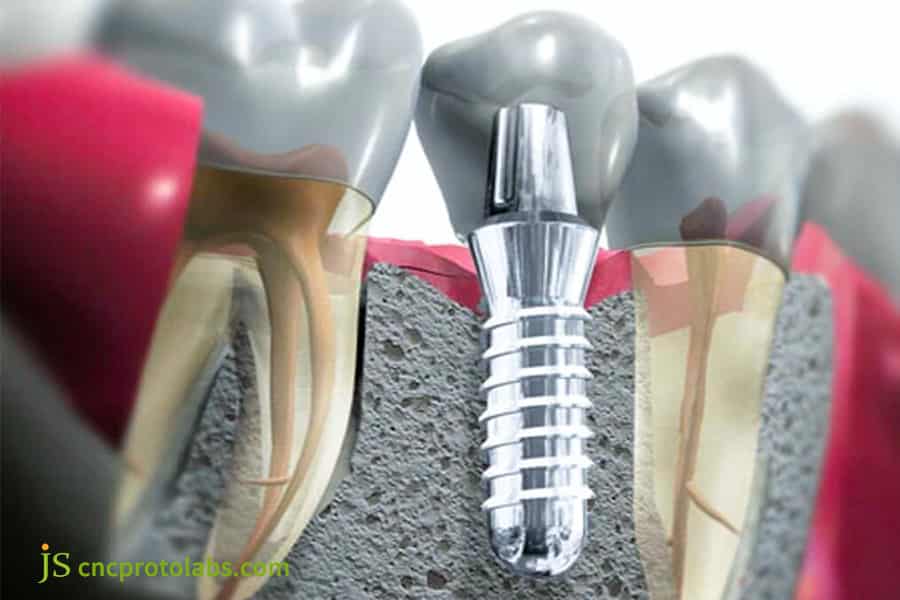
Figure 1: 316 stainless steel is non-magnetic, easy to disinfect, and biocompatible, and can pass strict cleanliness checks in surgical component manufacturing.
How Does Non-Magnetic Stainless Steel CNC Machining Solve These Challenges?
Precision CNC machining stainless steel solves magnetic problems by forming a closed loop from three dimensions: material selection, process control, and post-processing, all of which are indispensable.
Material Foundation: The Innate Advantage of Austenitic Grades
Austenitic stainless steel (304, 316L) is non-magnetic after solution treatment. Typical magnetic permeability values are shown in the table below:
| Stainless Steel Grade | Magnetic Permeability after Solution Treatment (μr) | Magnetic Permeability after Processing (Uncontrolled Magnetization) | Magnetic Permeability after Processing (Controlled Magnetization) | Corrosion Resistance Grade |
| 304 | 1.01-1.03 | 1.05-1.10 | 1.01-1.02 | Medium |
| 304L | 1.008-1.02 | 1.04-1.08 | 1.005-1.015 | Medium-High |
| 316 | 1.005-1.02 | 1.03-1.06 | 1.003-1.01 | High |
| 316L | 1.003-1.015 | 1.02-1.05 | ≤1.005 | Extremely High |
It is non-magnetic because of its austenitic crystal structure, which does not have any ferromagnetic phase-an assurance of material basis for getting non-magnetic stainless steel CNC machining.
Process is King: Key Techniques to Avoid Introducing Magnetism
- Tool Selection: Diamond-coated special tools reduce cutting forces and heat.
- Cutting Parameters: Control depth of cut ap ≤ 0.1mm, high speed Vc = 150m/min, combined with 15MPa high-pressure cooling.
- Fixtures: Nonmagnetic fixtures should be used in order not to introduce magnetic contamination at clamping.
Post-Processing: The Final Lock for Guaranteed Stability
Solution treatment in vacuum at 1050°C after machining removes machining stresses and restores non-magnetic properties, electrolytic polishing or passivation treatment thereafter offers improvement in corrosion resistance with no effect on magnetic properties.
Want a customized precision CNC machining stainless steel process solution? Upload your part's 3D drawings, and JS Precision will customize a complete process route for you, including cutting parameters and post-processing procedures, ensuring that the magnetic permeability meets the requirements.
Case Analysis:JS Precision’s 5 Axis Machining Saves MRI Component From Magnetic Contamination
Challenge:
The MRI coil stand of a European premium medical device manufacturer consisted of a complicated mixture of a titanium alloy and a 316L stainless steel material.
The local magnetic permeability of the final product after processing by the supplier was measured to be 1.08, which was substantially higher than the specification of 1.02 or lower, resulting in severe artifacts in the image. The overall yield rate was merely at 78%, which was at risk of failing FDA approval.
Solution:
JS Precision provides a comprehensive quantitative magnetic control process solution, with each step supported by data:
1.Strict Material Selection: A German List-Magnetik FerroPro permeability meter, having a precision of 0.001 μr and traceability to the PTB standard, is used to test every batch that received 316L bars as they arrive. Three representative sections on every billet are tested to ensure that permeability (μr) is always no more than 1.005 in the raw material.
2.Low-Stress Precision Machining: On this five-axis CNC machining center, in relation to the low-stress milling cutting process with a whole non-magnetic tool holder made of carbide (permeability ≤1.003μr), control of the cutting depth (ap) at 0.08 to 0.1mm, rotation speed (Vc) at 150m/min, and feed rate (f) at 0.12mm/r is done while using a 15MPa cooling system.
3.Performance Restoration and Stabilization: A 1050°C vacuum solution treatment is carried out, and this is followed by 2 hours of rapid cooling with water (cooling rate of ≥ 50°C/min), thus thoroughly eliminate processing stress and restoring stability to the austenitic structure.
Result:
Magnetic permeability of all components controlled at ≤1.005 improves the overall imaging quality 30% after assembly. Mass production yield increases from 78% to 99.7%, which enables clients to successfully pass FDA on-site inspections and decreases their losses by over $2 million per year.
Facing similar magnetic control challenges? Provide detailed information about your component material, structure, and magnetic permeability requirements, and JS Precision will provide you with a tailored solution, including free calculations of processing costs and delivery times.
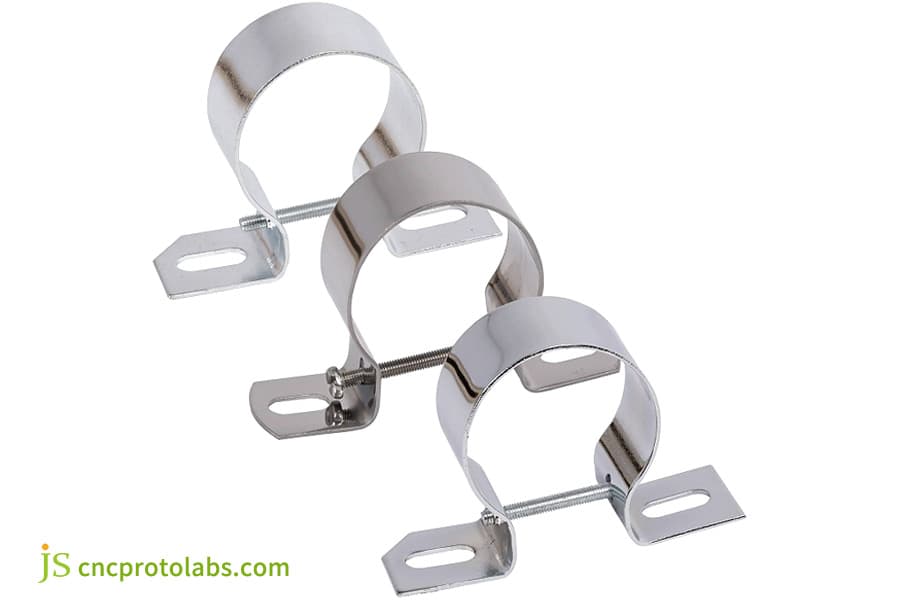
Figure 2 Non magnetic stainless steel coil bracket
Why Is Choosing Between 304 And 316 Stainless Steel Your First Critical Decision?
Choosing 304 vs 316 stainless steel presents the most challenging materials question when it comes to CNC machining stainless steel, given its relevance to the functioning of the final product.
304 Stainless Steel: A Cost-Effective Starting Point with Limits
304 Stainless Steel has 18% chromium with 8% nickel content, providing it with good machinability properties along with a magnetic permeability of 1.01-1.03 after solution treatment.
But it has lower resistance to pitting attack from chlorine-containing services, along with the ability to increase intensity to greater than 1.10 under heavy cold working. Thus, this type of material is applicable for lower performance task requirements, such as non-critical structures used in an engine room.
316 Stainless Steel: The Industry Benchmark for Demanding Environments
Owing to the addition of 2-3% molybdenum, the PREN value increases from 19 for 304 to 25, which has better non-magnetic stability than 316 stainless steel in the aftermath of machining.
Its magnetic permeability can be stably kept at ≤1.005 under conditioning magnetization processes, hence is the most optimal material for high-end applications, such as medical CNC machining and CNC machining aerospace parts.
Comparison of Key Properties of 304 vs 316 Stainless Steel
| Performance Indicators | 304 Stainless Steel | 316 Stainless Steel | Unit | Test Standard |
| Magnetic Permeability (After Solution Treatment) | 1.01-1.03 | 1.005-1.02 | μr | ASTM A240 |
| Magnetic Permeability (After Processing) | 1.05-1.10 | 1.03-1.06 | μr | ASTM A240 |
| Pit Corrosion Equivalent (PREN) | ≈19 | ≈25 | - | ISO 15156 |
| Tensile Strength | 515-655 | 515-655 | MPa | ASTM A370 |
| Yield Strength | ≥205 | ≥205 | MPa | ASTM A370 |
| Elongation | ≥40 | ≥40 | % | ASTM A370 |
| Chlorine Corrosion Resistance | Medium | Excellent | - | ASTM G48 |
| Applicable Temperature Range | 270~870 | -270~925 | °C | ASTM A240 |
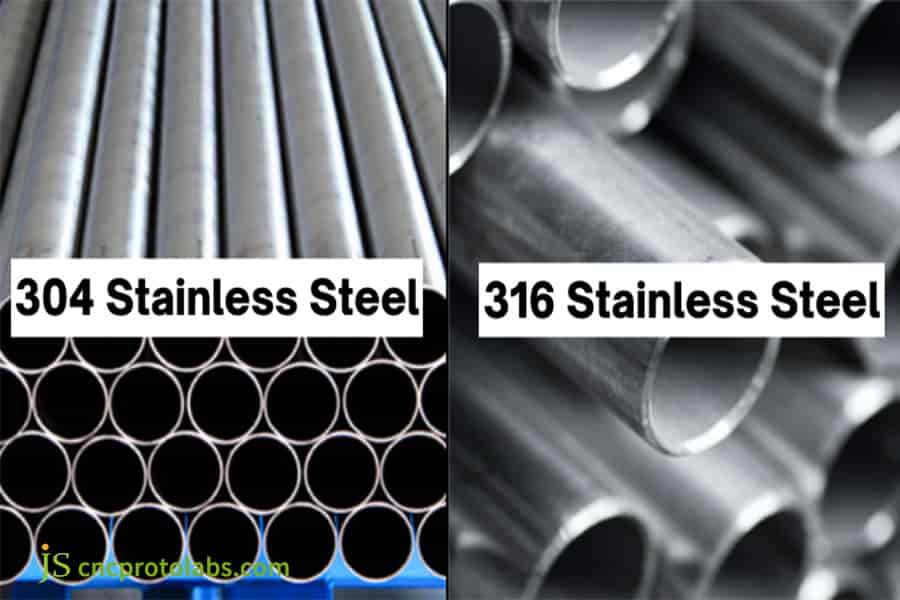
Figure 3 Both 304 and 316 stainless steels are austenitic stainless steels and have their own applications in CNC machining.
How To Ensure Flawless Execution: The Expert CNC Machining Process For Stainless Steel
To achieve perfect non-magnetic and precision control in CNC machining stainless steel, a systematic closed-loop process must be followed, and every step must not be relaxed.
A systematic process from design to finished product
- DFM analysis: Optimize the structure to minimize machining stress and avoid sharp angles and thickness variations:
- Dedicated CAM programming: Use continuous tool pathing to minimize cutting interruptions and work hardening.
- Multi-axis precision machining: Employ five-axis machining center with non-magnetic fixtures and high-pressure cooling.
- Complete dimension inspection: Check dimensions for accuracy using a coordinate measuring machine.
- Specialist permeability test: Utilize the Foerster permeability meter with 100% test parameters to verify adherence to μr value specifications.
Practical Strategies for Overcoming Work Hardening of Stainless Steel
Stainless steel processing is prone to cold work hardening, which needs to be controlled through the following strategies: adopting shallow depths ofcutting (ap≤0.1mm), a relatively high speed (Vc=120-150m/min), moderate feeds (f=0.1-0.2mm/r), and maintaining a coverage of the cutting edge by the coolant, thus controlling the depth of work hardening below 5μm.
Quality Assurance Beyond Dimensions
Qualified non-magnetic stainless steel CNC machining must provide a magnetic permeability measurement report. JS Precision uses a Foerster Sigmameter for testing, with an accuracy of 0.001 μr, and each batch of products comes with testing data and a certificate of conformity.
Want to experience systematic stainless steel CNC machining services? Contact JS Precision to schedule a one-on-one consultation with an engineer, tell us your part requirements, and receive a free DFM analysis and machining process plan.
Who Should You Trust? Choosing Expert Stainless Steel CNC Machining Services
The selection of stainless steel cnc machining services depends entirely on performances in projects. There is a great need to be concentrated on the technology depth of your supplier.
Three Key Abilities to Assess in a Service Provider
- Technical Depth: Does the supplier have knowledge of the cause of magnetism and solutions to the magnetic issues in the process?
- Process Knowledge: Is a proven database of the machining process for nonmagnetic stainless steel available with the supplier?
- Quality System: Does the supplier have appropriate certification related to its industry and facilities for magnetic permeability on site?
Common Mistakes and “Verbal Guarantees” Not to Make
A large number of suppliers only guarantee non-magnetic properties on the basis of material certificates alone, or employ magnetic fixtures that cause contamination issues, or sometimes only carry out temporary demagnetization. All these methods can be hidden sources of danger for the product that need to be boycotted in totality.
JS Precision: Your Technical Partner in Magnetic Risk Elimination
JS Precision has an independent processing area that is temperature-controlled, a non-magnetic production line, and traceability for material and performance. We do not only offer machining, but also complete solutions starting from selection and design optimization down to testing.
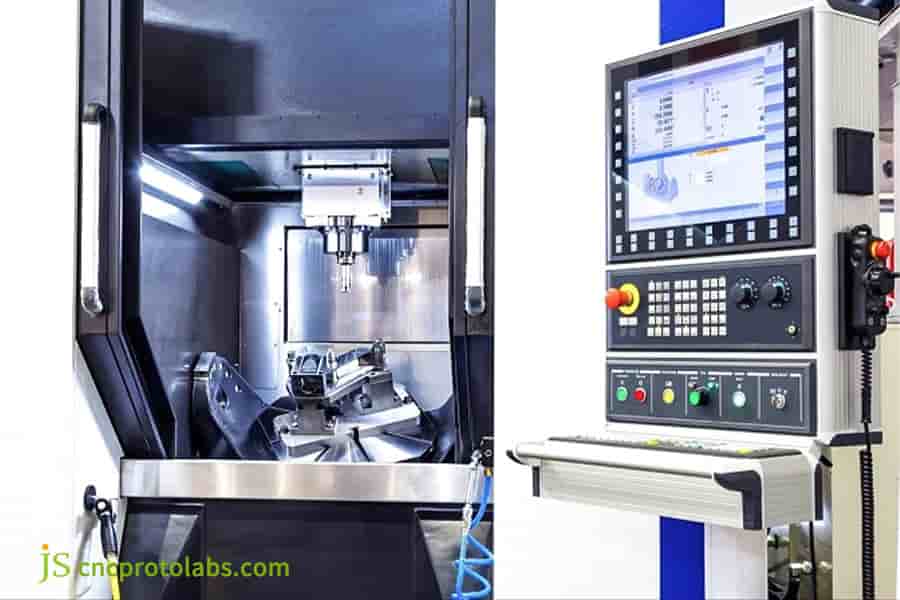
Figure 4 The production capacity of suppliers is a key factor in providing excellent CNC machining services.
FAQs
Q1: Are all stainless steels non-magnetic?
No. Only the austenitic stainless steels (304 and 316, for instance) will be weakly magnetic or non-magnetic after solution treating. The martensitic stainless steels (440C, for instance) will be magnetic, and they cannot be rendered non-magnetic by machining.
Q2: Why do stainless steel parts become magnetic after CNC machining?
The reason is work hardening that occurs in machining. This introduces some mechanical stress that makes the austenite-transformed martensite magnetic. This is what makes the part magnetic.
Q3: How to measure the magnetism of a part?
We use a professional permeability meter (e.g., a Foerster Sigmameter) to measure. Units: permeability (μr), where 1.000 is non-magnetic, and the higher the value, the more magnetically active.
Q4: What precision can your non-magnetic machining achieve?
Q: Depending on the complexity of the piece involved, JS Precision can moreover guarantee tolerance levels of ±0.01mm for dimensions, along with an accuracy of pieces moving by ±0.015mm, all while maintaining permeability at μr ≤ 1.005 for high-end applications.
Q5: Can non-magnetic guarantees be made for small batch prototypes?
Yes. JS Precision operates a complete process of magnetic control against prototype projects starting from material screening to final inspection, without simplification. It also provides a corresponding inspection report to ensure authenticity and validity of design verification data.
Q6: How much higher are the delivery time and cost of non-magnetic machining compared to ordinary machining?
Due to special processes that may be required and inspection procedures, there is a moderate price increase of 15-30%, but this eliminates huge losses later on. Please allow an additional 3-5 business days for inspection and post-processing before delivery, this can be adjusted based on batch size.
Q7: How can I ensure my design is suitable for non-magnetic CNC machining?
After submitting your drawings, JS Precision engineers will provide free DFM analysis. We will have some suggestions on structural optimization, stress avoidance, and ways to avoid magnetism in the course of machining.
Q8: How can I guarantee quality and communication when sourcing such high-precision components from China?
The project team for JS Precision has a bilingual team with a real-time project management system that shares information regarding project progression, inspection results, and data. This ensures that all quality critical documents are included with the shipment for easy communication and quality traceability.
Summary
Within the medical and aerospace sectors, non-magnetic properties have progressively shifted from being desirable attributes to essential demands, implying that attaining such is a highly integral process itself.
JS Precision, because of their knowledge, experience, and vigilance regarding quality, is able to offer you foolproof non-magnetic protection for your crucial components.
Don't let hidden magnetism become a stumbling block to product success. You are encouraged to submit your drawings or requirements for your project today, and JS Precision's most senior engineers will generate a free professional consultation report for your benefit.
We will apply our expertise in protecting your most valuable innovations, so that your products are able to perform optimally and qualify for all industry certifications.

Disclaimer
The contents of this page are for informational purposes only.JS Precision Services,there are no representations or warranties, express or implied, as to the accuracy, completeness or validity of the information. It should not be inferred that a third-party supplier or manufacturer will provide performance parameters, geometric tolerances, specific design characteristics, material quality and type or workmanship through the JS Precision Network. It's the buyer's responsibility Require parts quotation Identify specific requirements for these sections.Please contact us for more information.
JS Precision Team
JS Precision is an industry-leading company, focus on custom manufacturing solutions. We have over 20 years of experience with over 5,000 customers, and we focus on high precisionCNC machining,Sheet metal manufacturing,3D printing,Injection molding,Metal stamping,and other one-stop manufacturing services.
Our factory is equipped with over 100 state-of-the-art 5-axis machining centers, ISO 9001:2015 certified. We provide fast, efficient and high-quality manufacturing solutions to customers in more than 150 countries around the world. Whether it is small volume production or large-scale customization, we can meet your needs with the fastest delivery within 24 hours. Choose JS Precision this means selection efficiency, quality and professionalism.
To learn more, visit our website:www.cncprotolabs.com
Resource