日本語
日本語 



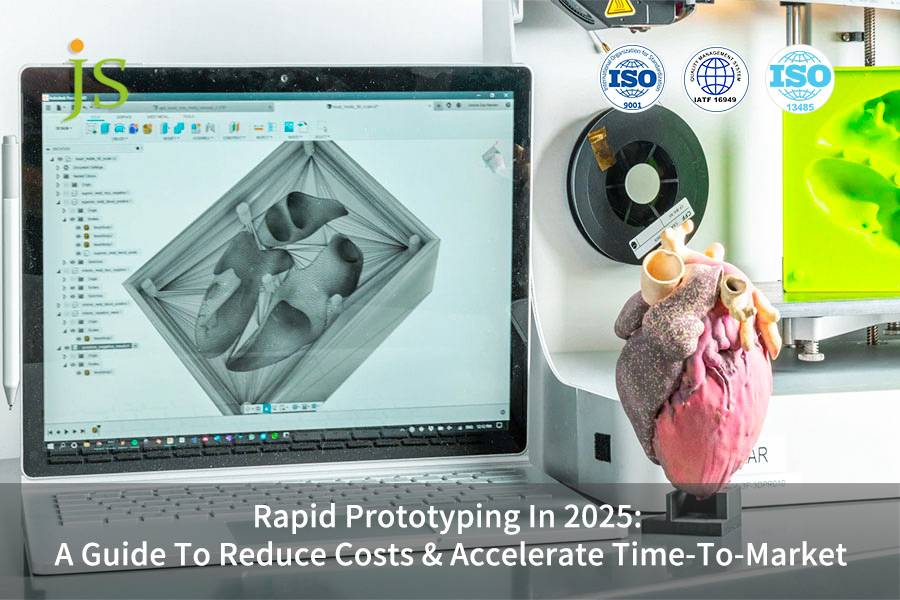

ラピッドプロトタイピングは、現代の工業デザインにおける主要な推進力となり、概念的な革新と物理的な検証との間の重要な架け橋を築いている。
本質的に、デジタルモデリングとは、抽象的な設計を具体的で測定可能な物理モデルに変換することで、製品開発の初期段階で製品の機能性、美観、実用性を迅速に検証する、物理的な製造技術の深い融合である。
ラピッドプロトタイピングの意味を理解することは、プロセスの最適化に役立つだけでなく、反復サイクルを加速させることにもつながります。
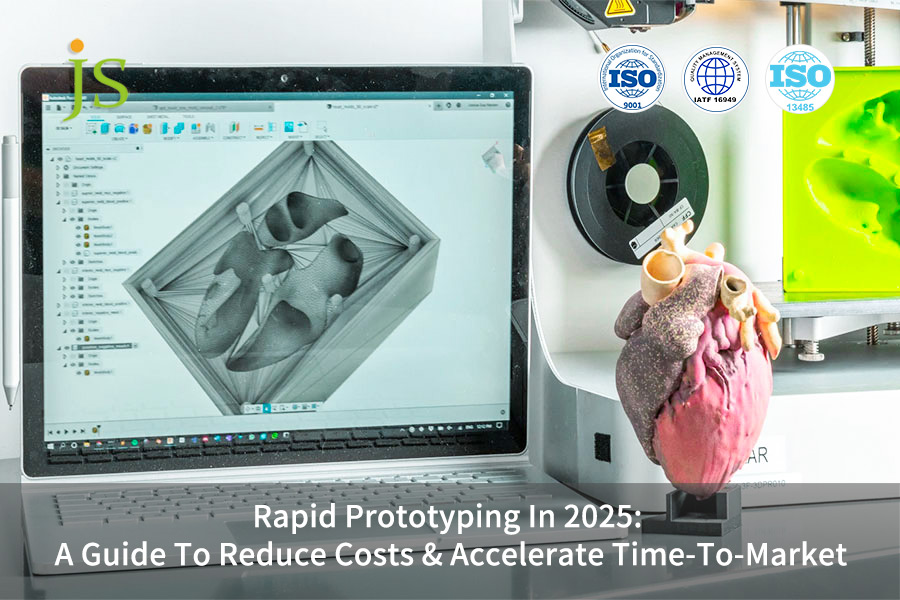
JS Precisionは、迅速なプロトタイプ作成サービスを提供し、積層造形(SLA/DLPなど)とCNC加工技術を統合し、ロボット関節プロトタイプの開発において金属複合部品を迅速に反復することで、設計検証サイクルを業界平均の60%にまで短縮することに成功しています。
JSは、年間1,000件を超える非常に複雑な受注実績に基づき、ハイエンド製造におけるラピッドプロトタイピング技術の役割を再定義しています。それは、単なる実験ツールとしてだけでなく、学際的なコラボレーションを通じたイノベーションのためのインフラとしても機能するものです。
主要回答の要約
| コアディメンション | 重要な回答 | プロジェクトの価値 |
| コア定義 | ラピッドプロトタイピングとは、デジタルモデルを物理的なプロトタイプに変換し、機能性、美観、およびユーザビリティを検証する反復的なプロセスである。 | これは単に「モデルを作る」ことではなく、研究開発リスクを軽減し、市場投入までの時間を短縮するための重要なツールです。 |
| コアプロセス | 5つの主要ステップ:要件定義 → デジタルモデリング → プロトタイピング → 多次元テスト → 反復最適化。 | 効率的かつ目標指向的なプロトタイピングプロセスを実現するための、実績のある体系的なフレームワークを提供します。 |
| 技術選定 | 主にプロトタイプの用途によって異なります。3Dプリンティングは複雑な形状に適しています。CNC加工は高精度かつ高強度の機能テストに適しています。 | 適切な技術を選択することで、コストと時間を最大30%削減できます。当社の専門家が最適なソリューションをご提供いたします。 |
| コスト管理 | コストは材料費、人件費、後処理費によって決まります。効果的な最適化は、インテリジェントなプロセス計画と無料のDFM(設計製造性)分析によって実現可能です。 | JS Precisionは、社内の効率最適化を通じて、試作品1個あたりのコストを業界平均の60%に抑えることができる。 |
| 究極の目標 | 設計の実現可能性を検証するための迅速な反復作業を、最低コストと最短サイクルタイムで実施し、量産のための信頼できるベンチマークを提供する。 | これにより、重要な意思決定をより迅速に行い、成功する可能性が最も高い製品開発の方向性にリソースを集中させることができます。 |
主なポイント
この記事の詳細に入る前に、まずは私たちの主要な結論と行動指針をご紹介します。
1.反復速度が市場競争力を直接左右する:ラピッドプロトタイピングの核心的な価値は「迅速な」反復です。設計・テスト・改善のサイクルを50%短縮することで、製品をより早く市場に投入し、競争優位性を獲得できます。
2. 成功は目標の明確化から始まります。プロトタイプの作成に着手する前に、その明確な目的を定義しましょう。コンセプトの実証、機能のテスト、外観の評価など、目的を明確にすることが重要です。これは、技術選定やコスト管理に直接影響します。
3. CNCプロトタイプ製作のコストは高い制御性を備えています。製造性設計分析において当社と協力することで、機能性を損なうことなく構造の最適化や材料の代替によりコストを大幅に削減できます。
4. サプライヤーではなくパートナーを選びましょう: JS Precisionのような優れたカスタムプロトタイプメーカーは、製造だけでなくエンジニアリングに関する洞察を提供し、あなたの技術パートナーとなります。
5.見積もりを取ることは、洞察を得るための第一歩です。 迅速なプロトタイピングサービスの見積もりを依頼することは、単に価格比較のためだけではなく、無料の専門的なコンサルティングを受ける機会にもなります。コスト分析の透明性は、協力関係の基盤となると私たちは考えています。
ラピッドプロトタイピングの核心的な定義は何ですか?
プロトタイピングは、デジタル設計システムを物理的なモデルに変換し、機能性、美観、実用性を検証する重要なプロセスです。その核心は、迅速かつ低コストなプロトタイプの反復を通じて、製品開発の初期段階で潜在的な問題を特定し、解決策を最適化することにあります。
プロトタイプとは、単に物理的な物体を製造することだけを意味するのではなく、物理的な検証を通して概念と現実のギャップを埋めることを意味します。特に複雑なシステム開発の過程では、図面には反映されない構造上の欠陥、人間と機械の相互作用における矛盾、あるいは材料の性能上の限界などが明らかになります。
現代のラピッドプロトタイピング技術は、積層造形とCNC加工技術を組み合わせ、単一材料の限界を打破し、金属とプラスチックのハイブリッド構造の迅速な成形を実現し、航空宇宙、ロボット工学、その他のハイエンド分野における現代のプロトタイピングへの応用範囲をさらに拡大しています。
ラピッドプロトタイピングの意味をより深く理解したいですか?今すぐ無料の技術コンサルティングをご予約ください。お客様に合わせたプロトタイプソリューションをご提供し、製品開発サイクルを加速させます。
ラピッドプロトタイピングの5つのステップとは何ですか?
1. コンセプト段階:要件と目標の明確化
市場調査やユーザーインタビューなどを通じて、製品の中核となる要件を決定し、プロトタイプの機能、性能、コストの上限を設定します。 この段階で、構造的な実現可能性やユーザーエクスペリエンスといった重要な設計上の前提を検証するために、迅速なプロトタイプ作成が必要かどうかを明確にする必要があります。
2. 設計段階:デジタルモデリングと最適化
CADソフトウェアを使用して3Dモデルを作成し、STL/STEPなどの形式でファイルを出力します。 設計者は、パラメトリック調整とシミュレーション解析(応力試験、動的シミュレーションなど)を通じて設計を最適化し、ラピッドプロトタイピング技術で実現可能かどうかを初期段階で評価します。
3. 構築段階:ラピッドプロトタイピング
プロトタイプを作成するための適切なプロセスと材料を選択してください。
- 3Dプリンティング:複雑な幾何学的構造に適しています(例:感光性樹脂SLA、ナイロン粉末SJS)。
- CNC加工:金属部品や高精度プラスチック部品(アルミニウム合金、ABS樹脂など)の加工に使用されます。
- 混合技術:印刷技術と切断技術を組み合わせることで、表面品質を向上させる。
この段階の中核となるのは、効率的なラピッドプロトタイプの製作であり、通常は最初のバージョンが1~3日で完成する。
4. テスト段階:多次元検証とデータ収集
迅速プロトタイプの徹底的なテスト:
- 機能テスト:電子システムの機械的特性(耐荷重性、密閉性など)および安定性の検証。
- ユーザーテスト: UIモデルなどのインタラクティブなプロトタイプを通して、対象ユーザーからフィードバックを収集します。
- 環境試験:極端な温度、湿度、または振動条件下における耐久性のシミュレーション。
試験結果は定量的に記録し(例:変形率や摩耗率)、設計指標と比較する必要がある。
5. 改善段階:反復最適化と最終化
テストデータに基づいてCADモデルを調整し、弱点(構造強度の向上や公差のずれの修正など)を的確に最適化します。 すべての検証基準が満たされるまで、迅速なプロトタイピングプロセスを繰り返し、プロトタイプの新しいバージョンを作成します。 最終的なプロトタイプは、金型や設計図の作成におけるベンチマークとして使用され、量産における一貫性を確保します。
テストループの設計と製造を行うことで、ラピッドプロトタイピングは従来の開発サイクルを50%以上短縮し、 1回の反復コストを80%削減できます。特に、医療機器やスマートハードウェアなど、不確実性の高いプロジェクトの迅速な開発に適しています。
一般的に使用されるプロトタイプモデルの種類にはどのようなものがありますか?
1. コンセプト検証プロトタイピングモデル:コアとなる設計コンセプトは、ラピッドプロトタイプモデルによって検証されます。これらのモデルは、多くの場合、低コストの材料(段ボールや発泡スチロールなど)を使用して迅速に構築され、製品の形状やインタラクティブなロジックなどの基本コンセプトの実現可能性に焦点を当てています。
2. 機能プロトタイピングモデル:機械的構造強度、電子システムの安定性、ソフトウェアアルゴリズムの効率など、特定の機能モジュールに焦点を当てたプロトタイピングテスト。通常、3DプリンティングやCNC加工などの技術を使用して、主要コンポーネントの正確な復元を実現します。
3. ビジュアルプロトタイピングモデル:外観を最重要視し、高精度3DプリンティングまたはCNC彫刻技術を用いてプロトタイプを作成し、製品の色合わせ、素材の質感、人間と機械の比率などを表現します。 家電製品や自動車内装など、視覚的な要素が重視される分野で広く用いられています。
4.インタラクティブプロトタイピングモデル:センサーやモーターなどのハードウェアコンポーネントを統合し、基本的な動作機能を備えた物理モデルを構築し、ユーザーがインタラクションプロセスを直接体験できるようにサポートします(ボタンのフィードバックや画面タッチなど)。インテリジェントハードウェア開発で広く使用されています。
5.ユーザーテストプロトタイプモデル:ターゲットユーザーグループ向けに設計されたプロトタイプの試用版で、A/Bテスト、シナリオシミュレーション、その他の方法を通じてユーザーエクスペリエンスデータを収集し、製品の使いやすさを向上させるために迅速な反復最適化と組み合わせることが多い。
適切なラピッドプロトタイピング技術の選び方とは?
意思決定の主要要因
1. プロトタイプの目的
- 機能検証:機械的負荷がかかる場合は、CNC加工または金属3Dプリンティング(例:SLM)を優先的に行うべきである。
- 外観確認:表面の滑らかさを重視する場合は、光硬化型3Dプリンティング(SLA)またはCNC彫刻を選択できます。
- ユーザーテスト:組み立て時の相互作用が必要な場合は、シリコン複製または柔軟性のある素材(TPU)の印刷をお勧めします。
2. 必要な材料
- プラスチック製プロトタイプ: ABS、PLA(FDM)、ナイロン(SLS)、透明樹脂(SLA)。
- 金属プロトタイプ:アルミニウム合金(CNC加工)、チタン合金(SLM加工)、ステンレス鋼(DMLS加工)。
- 複合材料:炭素繊維強化ナイロン(SLS)、ガラス繊維(CNC)。
3. コスト予算
- 低コストで迅速な検証: FDM(1枚あたり10~40ドル)、SLA(1枚あたり40~80ドル)。
- 精度要件: SLA(±0.05mm)、SLS(±0.1mm)。
- 量産テスト生産: CNC加工(数量に応じて単価が下がります)。
4. 配達時間
- 緊急の要件: 3Dプリント(1~2日)、シリコン複製(3~5日)。
- 精密加工: CNC加工(5~10日)、金属印刷(7~14日)。
当社は、お客様がこれらの要素に基づいて最適な選択を行えるよう、迅速なプロトタイピングサービスの見積もりを提供しています。VDI 3405-2019積層造形品質規格によれば、適切な技術的マッチングにより、反復コストを30%削減できます。
主流技術と適用シナリオの比較
| 技術タイプ | 材質の種類 | 正確さ | 料金 | 生産速度 | 典型的な用途 |
| FDM | PLA/ABS/ナイロン | ±0.1~0.3mm | 低い | 速い | 機能的なプロトタイプとシンプルな構造部品。 |
| SLA | 感光性樹脂 | ±0.05mm | 中心 | もっと早く | 外観検査、透明部品、精密部品。 |
| SLS | ナイロン/複合材料 | ±0.1mm | 高い | 中心 | 機能性も高く、軽量です。 |
| CNC加工 | 金属/プラスチック | ±0.01~0.05mm | 最高 | 遅い | 量産前の高強度試験と最終確認。 |
| シリコン複製型 | シリコン型+PU樹脂 | ±0.2~0.5mm | 低(バッチ) | 速い | 試作モデルおよび小規模パイロット生産。 |
ご予算とスケジュールをお知らせいただければ、 CNCプロトタイプ製作コストを正確に管理できるよう、複数の技術を比較検討したプランをご提案いたします。
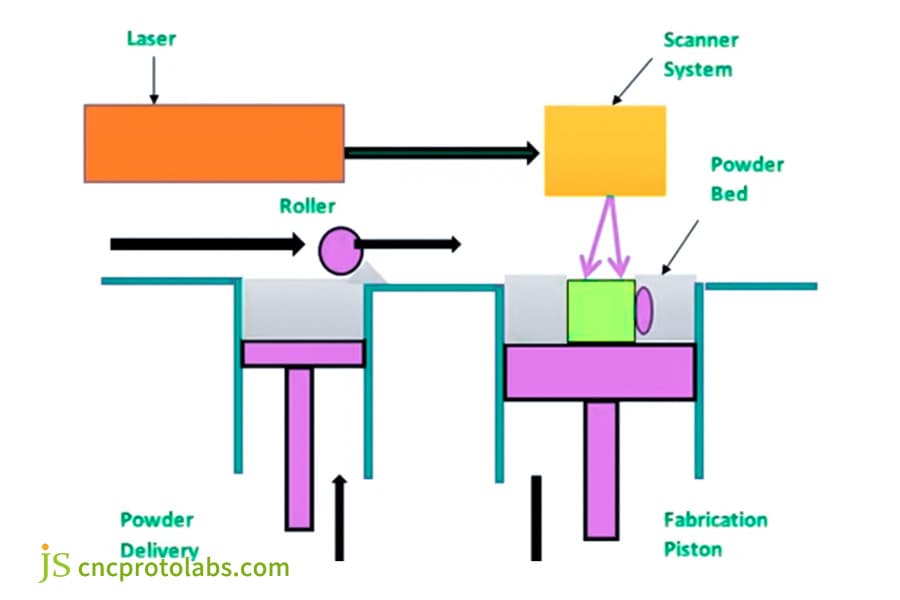
図1:ラピッドプロトタイピング技術の原理の概略図は、粉末床上でのレーザースキャンシステムの層ごとの加工プロセスを明確に示している。
3DプリンティングとCNCプロトタイピングの違いは何ですか?
ラピッドプロトタイピングの分野において、3DプリンティングとCNCプロトタイピングは、製造原理、材料の適用性、およびプロセス特性において大きく異なる2つの主要な技術である。
1. 製造原理
- 3Dプリンティング(積層造形): JS Precisionは、プラスチックや金属粉末などの材料を層状に積み重ねて3D構造を形成することで、金属レーザー溶融(SLM)やポリマーSLAといった技術を用いて複雑な幾何学的構造を製造しています。
- CNC加工(切削加工):切削工具を用いて金属やプラスチックなどの原材料を切削し、余分な部分を除去する加工方法で、工具経路プログラミングに基づいて行われ、高精度な機能部品の加工に適しています。JS Precisionは5軸CNC工作機械を保有しており、精密金型鋼、アルミニウム合金などの材料の複雑な輪郭加工を実現できます。
2. 材料の適用範囲
- 3Dプリンティング:使用できる材料の種類は限られており(一般的にはABS樹脂、PLA樹脂、チタン合金など)、一部の材料は機械的特性が弱い。
- JS Precisionは、航空宇宙グレードのアルミニウム合金や耐熱性エンジニアリングプラスチックなど、50種類以上の材料(金属、プラスチック、複合材料)を提供し、工業グレードの強度と耐腐食性の要件を満たしています。
- CNC加工:幅広い材料への適応性を持ち、硬質合金(ステンレス鋼、チタン合金など)や高靭性材料(炭素繊維など)を加工できます。
- JS Precisionの技術ハイライト:同社のCNC装置は複雑な表面加工に対応しており、医療機器向けに0.02mmの薄肉構造を実現するなど、材料加工能力の高さを実証しています。
3. プロセス特性の違い
| 寸法 | 3Dプリンティングの利点 | CNCの利点 | JS プレシジョンテクノロジー バランスポイント |
| 材料利用率 | 材料の無駄を減らす(必要なものだけを使う)。 | 材料の廃棄量が多い(加工費が必要)。 | JS Precisionは、スマートな経路計画によってCNC加工時の廃棄物率を削減し、3Dプリンティングは金属粉末のリサイクルを支援します。 |
| 表面品質 | 表面粗さ(Ra 50~200μm)が改善し、再処理が必要。 | 表面平滑度(Ra 0.8~3.2μm)。 | JS Precisionの特殊な後処理装置は、3Dプリント部品の表面粗さをRa 1.6μmまで最適化することができます。 |
| 処理精度 | ±0.1~0.5mm(機種による)。 | ±0.02~0.1mm(高精度工作機械では最大±0.005mm)。 | 誤差補正アルゴリズムを採用することでCNC加工精度を30%向上させ、3Dプリンティングでは熱ベッドキャリブレーションにより寸法安定性を最適化しています。 |
| 複雑性への適応性 | 従来の製法では製造できない、中空格子や不規則な表面などの複雑な構造物の製造が可能。 | 一般的な形状に適しており、追加の薄肉構造/吊り下げ支持構造が必要です。 | JS Precisionの革新的なハイブリッド製造モデル:CNC粗加工+3Dプリンティングによる微細な形状、バランスの取れた効率と精度。 |
- 3Dプリンティングを選択する場合:迅速な反復、複雑な構造の検証、または低コストでの試行錯誤が求められる場合。
- CNCプロトタイピングを選択する場合:機能テスト、高精度な生産準備、または材料性能の検証が目的の場合。
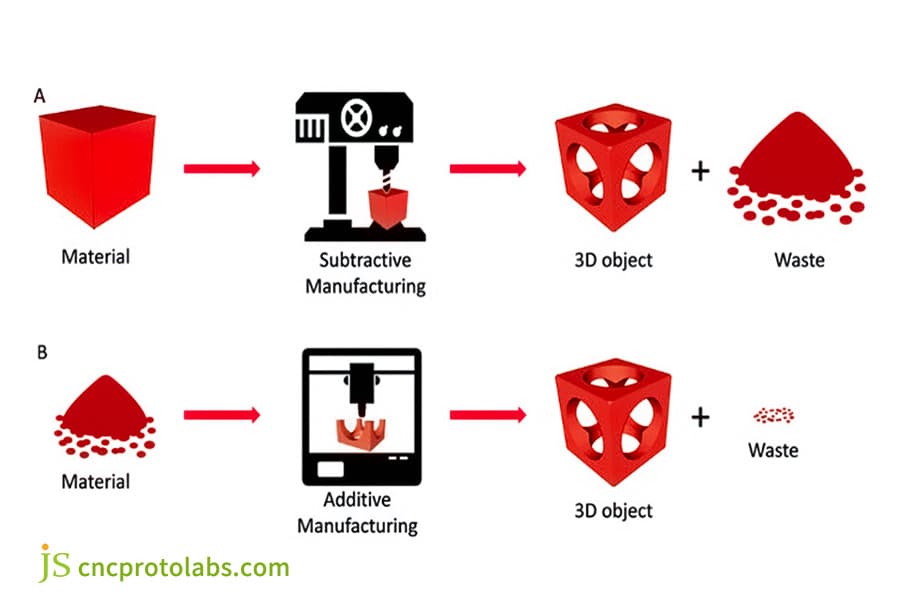
図2:積層造形(ラピッドプロトタイピング)と切削加工の主な違いを説明し、材料の蓄積と廃棄物のほぼゼロという利点を強調する。
どの業界がラピッドプロトタイピング技術に最も依存しているか?
JS PrecisionのオンラインCNC加工および3Dプリンティング事業の特徴に基づき、ラピッドプロトタイピング技術の応用について以下に分析する。
自動車産業
1. JS 精密技術協会:
- 軽量アルミニウム合金/カーボンファイバー製の試作品が用意されており、合理化された部品の迅速な反復開発をサポートします。
- 複雑なパイプラインシステムの3Dプリントにより、検証サイクルが80%短縮される。
- 自動車用電子コネクタ金型のCNC精密加工。
2. 業界のニーズ:
- 新エネルギー車用バッテリーアセンブリの構造検証。
- 自動運転センサーブラケットの迅速テスト。
- 量産開始前に、内部部品の外観検査を実施する。
航空宇宙
1.JS 精密技術協会:
- チタン合金/超合金の試作品は、FAA(連邦航空局)の認証要件を満たしている。
- 精密鋳造金型の製造により、研究開発サイクルが50%短縮される。
- 複雑な空力形状の風洞試験モデル。
2. 業界の要求:
- 試作エンジンのタービンブレードの検証。
- 衛星アンテナ展開機構の機能試験。
- 宇宙船ドッキング機構の機械的シミュレーション。
医療機器
1.JS 精密技術協会:
- 生体適合性材料を用いたカスタムインプラント試作品。
- 手術シミュレーターの3Dプリント(骨/臓器モデル)。
- 迅速な配送に対応した、カスタマイズされたリハビリテーション機器。
2. 業界の要求:
- 人工関節の摩擦特性の検証。
- 歯科インプラントの噛み合わせテスト。
- 圧力分布分析に基づくカスタム装具。
工業デザイン
1.JS 精密技術協会:
- 50種類以上の素材ライブラリがコンセプト検証をサポートします。
- フルカラー3Dプリントによる外観評価モデル。
- 迅速な鋳造用マスターモールドの製作(シリコンモールド/樹脂モールド)。
2. 業界の要求:
- 家庭用品の人間工学的テスト。
- 輸送車両の内装配色を確認する。
- ロボット関節動作シミュレーション。
当社が提供する迅速なプロトタイプ開発サービスは、需要の高い分野において1000件以上の複雑な案件に対応してきました。業界の専門家との面談をご希望の場合は、今すぐ業界要件をご提出いただき、お客様に合わせたソリューションをご提案いたします。
業界リーダーがカスタムプロトタイプの製造業者としてJS Precisionを選ぶ理由とは?
総合的なカスタムプロトタイプ製造メーカーとして、当社は複雑な問題解決における高度な連携能力とエンジニアリング経験を誇りとしています。当社は単なる製造サービスプロバイダーではなく、コンセプト段階から量産までをサポートするテクノロジーパートナーです。
真の「カスタマイズ」を実現するにはどうすればよいのでしょうか?
綿密なニーズ分析:当社はお客様のエンジニアリングチームと緊密に連携し、「何をすべきか」だけでなく「なぜそれが必要なのか」を探求することで、革新的なソリューションを提供します。
マルチテクノロジープラットフォームの統合:当社はCNC加工、3Dプリンティング、成形、板金加工を行う能力を有しており、生産能力の制約を考慮することなく、最適な技術的ルートを客観的に提案することができます。
強力なプロジェクト管理と技術サポート:各プロジェクトには専任のアカウントマネージャーが割り当てられ、円滑なコミュニケーションと問題の迅速な解決を保証します。
事例研究:医療機器会社向け高密閉シェル試作品のカスタマイズ
課題:顧客は、複雑な内部流路と高い耐圧性を備えた透明なシェルプロトタイプを求めており、生体適合性があり、完全に透明で、高い密閉性を備えた材料が必要となる。
JS Precisionのカスタマイズソリューション:当社は特定のプロセスに限定されません。最終的なソリューションは、寸法精度とシール面を確保するために高精度CNC加工された本体と、一体成形によって組み立て工程を削減した光硬化性樹脂3Dプリント内部部品を統合したものです。
結果:試作品は最初の試みで圧力試験に合格し、顧客による検証時間を少なくとも2週間短縮することができました。ここに、カスタム試作品メーカーの真の価値があります。
複雑なカスタマイズニーズをお持ちですか?お客様のプロジェクトにおける課題をお聞かせいただければ、無料のケーススタディにお申し込みいただけます。業界リーダー企業が当社を通じてどのようにコスト削減を実現しているかをご説明いたします。
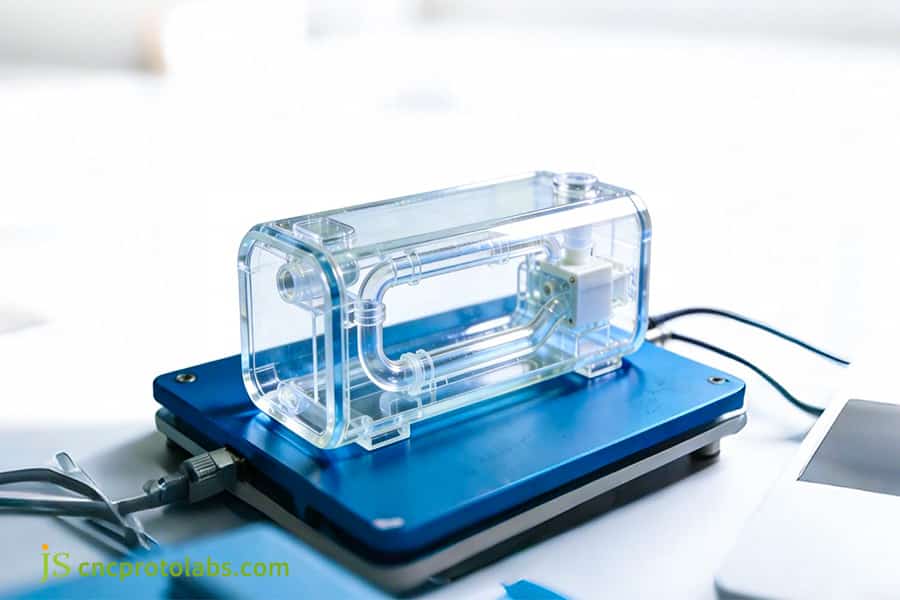
図3:カスタマイズされた高密閉シェル試作品
試作品製作のコストをどのように管理すればよいか?
ラピッドプロトタイピングのコスト管理には、材料、製造、製造後のメンテナンスなどの要素を総合的に考慮する必要があります。 主な戦略は以下のとおりです。
| 指標 | 業界平均 | JS 精密技術指標 | 振幅を増やす |
| 単一プロトタイプのコスト | 120ドル | 72ドル | 40% ↓ |
| 初回収量 | 68% | 91% | 34%上昇 |
| 環境影響要因 | 0.72(高エネルギー消費/高汚染) | 0.35(グリーン製造) | 51% ↓ |
| 材料利用率 | 45%~60% | 85%~92% | 35%~50%上昇 |
| 処理サイクル | 12~24時間 | 6~18時間 | 30%~50% ↓ |
| スクラップ率 | 8%~15% | ≤1% | 85%~94%↓ |
| 労働コストの割合として | 25%~35% | 12%~18% | 30%~45%↓ |
| 維持費(年間10,000円) | 15-25 | 8~12歳 | 40%~55% ↓ |
JS プレシジョン社におけるコスト管理の中核技術
1. 材料リサイクルシステム
- 金属粉末リサイクルラインを設置(SLM工程で発生する廃粉末の再利用率92%)
- エンジニアリングプラスチック再生粒子技術を開発(ABS/PCリサイクル材の性能保持率90%以上)
2. インテリジェントなプロセス最適化
- AIパラメータ推奨システム:過去のデータに基づいて最適な処理パラメータの組み合わせを自動的に選択します。
- 動的切削力補正:工具摩耗を低減し、工具寿命を3倍に延ばします。
3. デジタル品質管理
- オンライン座標測定:初回検査時間が2時間から15分に短縮されました。
- デジタルツインの類似性:潜在的な設計上の欠陥の87%を早期に特定。
4. グリーン製造技術
- 乾式切断技術:冷却剤の使用量を100%削減し、エネルギー消費量を28%削減します。
- 低温焼結プロセス:焼結温度を従来の1200℃から600℃に下げ、エネルギーを45%削減。
5. 柔軟な生産システム
- 高速金型交換装置:CNC金型交換時間を4時間から30分に短縮。
- インテリジェントな倉庫管理:資材回転率が60%向上しました。
ISO 14001:2015環境マネジメントシステム規格に基づき、当社の環境に配慮した製造慣行は環境負荷要因を51%削減します。詳細なコスト分析表をご希望ですか?今すぐカスタマーサービスにご連絡いただければ、お客様に合わせたコスト削減・効率改善プランを無料で作成いたします。
よくある質問
1.試作品の製作には、支持構造物の追加が必要ですか?
試作品製作時にサポート構造を追加するかどうかは、プロセスによって異なります。 例えば、FDMやSLAを用いてサスペンション構造をプリントする場合、変形を防ぐために一時的なブラケットを追加する必要があり、完成後には取り外して研磨する必要があります。SLS 技術は粉末が自己支持性を持つため、通常は追加のサポートを必要としませんが、表面の滑らかさに影響を与える可能性があり、再処理が必要になる場合があります。
2.ラピッドプロトタイピングの表面が粗い場合はどうすればよいでしょうか?
ラピッドプロトタイピングで得られた粗い表面は、研削、サンドブラスト、または化学研磨によって処理できます。 例えば、3Dプリントされた部品は、サンドペーパーや化学薬品を使用して積層パターンを除去し、CNC加工と研磨によって滑らかさを向上させ、機能的または外観上の要件を満たすようにします。
3.試作品の製作にはどれくらい時間がかかりますか?
試作品の製作期間は、工程や複雑さによって異なります。シンプルなプラスチック部品(例:FDM)は数時間で完成しますが、金属部品や精密構造物(例:CNC)は1~3日かかり、後処理(研磨/コーティング)には1~2日を要します。 少量生産のカスタマイズや複雑な設計の場合は、製作期間が長くなる可能性がありますので、具体的な要件については事前にご連絡いただくことをお勧めします。
4.試作品をそのまま量産に活用することは可能ですか?
試作品は通常、量産開始前に調整が必要です。 例えば、3Dプリント部品は金属などの量産材料を置き換える必要がある場合があり、CNC加工された試作品は金型の最適化が必要になる場合があります。 直接量産に移行すると、性能やコストの問題が発生する可能性があるため、段階的な検証が推奨されます。
5.正確な見積もりはどのように入手できますか?見積もりは無料ですか?
3Dファイルをオンラインでアップロードするだけで、材料費、人件費、後処理費を含めた明瞭な料金体系をご提示いたします。お見積もりは完全無料、一切義務は発生しません。明確な費用体系こそが、あらゆる協業の第一歩だと考えております。
6. 最低注文数量の制限はありますか? 単体の試作品は製作可能ですか?
最小発注数量(MOQ)に制限は一切ありません。数量に関わらず、単体の試作品から少量生産まで、お客様のイノベーション検証を全力でサポートいたします。
7.私の設計図面や知的財産はどのように保護されますか?
お客様の知的財産保護は、当社にとって生命線です。プロジェクト開始前に、法的拘束力のある秘密保持契約を締結することも可能です。当社のデータ管理システムはISO認証を取得しており、お客様のデザインデータは完全に安全に保護されます。
8. コスト削減に役立つ設計最適化係数(DFM)を提供していますか?
はい、お問い合わせごとに無料のDFM(設計製造性)分析を実施しています。当社のエンジニアが製造性、コスト効率、性能の最適化をご提案し、最初からコスト削減をお手伝いいたします。
まとめ
現代の製品開発プロセスにおいて、ラピッドプロトタイピングはプロトタイプモデルを反復することで、コンセプトから現実への変革経路を再定義します。積層造形であろうと切削加工であろうと、ラピッドプロトタイピングの核心的な意味は、最小限のコストと最短のサイクルで設計の実現可能性を検証し、イノベーションのループサイクルを加速させることにあります。
洗練された外観の家電製品から、航空宇宙分野の高性能部品まで、ラピッドプロトタイピング技術は、材料とプロセスの限界を押し広げ続け、複雑な構造を視覚化し、機能性をテスト可能にしている。
将来的には、プロトタイプモデルは、企業が市場の不確実性に対処し、業界のイノベーションを俊敏かつ精密に推進するための戦略的なツールとなるだろう。
あなたの創造性は、可能な限りプロフェッショナルな方法で現実のものとなるに値します。
3Dデザインファイルをすぐにアップロードして、迅速なプロトタイピングサービスの見積もりを入手してください。当社の専門チームが、コンセプトから完成品まで、プロジェクトがスムーズに進むよう全工程をサポートし、市場での成功をリードできるようお手伝いいたします。

免責事項
このページの内容は情報提供のみを目的としています。JS Precision Services は、情報の正確性、完全性、有効性について、明示的または黙示的な表明または保証を一切行いません。第三者のサプライヤーまたは製造業者が、JS Precision Network を通じて性能パラメータ、幾何公差、特定の設計特性、材料の品質と種類、または製造技術を提供するものと推測すべきではありません。部品の見積もりを依頼するには、購入者の責任で、これらのセクションの具体的な要件を特定してください。詳細については、お問い合わせください。
JSプレシジョンチーム
JS Precisionは、カスタム製造ソリューションに特化した業界をリードする企業です。20年以上の経験と5,000社を超える顧客実績を持ち、高精度CNC加工、板金加工、 3Dプリンティング、射出成形、金属プレス加工、その他ワンストップ製造サービスを提供しています。
当社工場は、ISO 9001:2015認証を取得した最新鋭の5軸加工センターを100台以上保有しています。世界150カ国以上のお客様に、迅速、効率的、かつ高品質な製造ソリューションを提供しています。少量生産から大規模なカスタマイズまで、お客様のニーズに24時間以内の最短納期で対応いたします。JS Precisionをお選びいただくことは、効率性、品質、そしてプロフェッショナリズムをお選びいただくことを意味します。
詳細については、当社のウェブサイト( www.cncprotolabs.com )をご覧ください。
リソース