Français



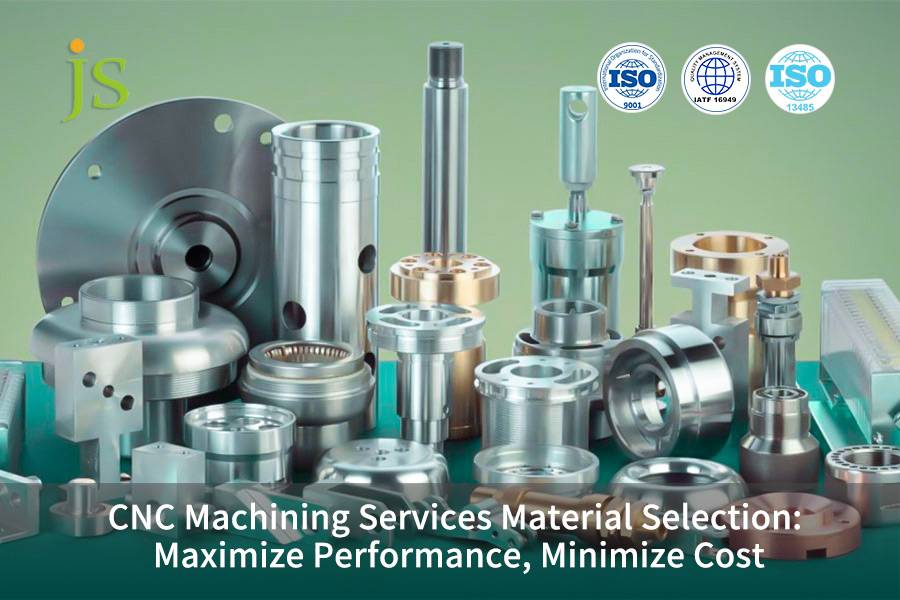

Les services d'usinage CNC sont depuis longtemps omniprésents dans des secteurs clés tels que la fabrication de dispositifs médicaux, l'aérospatiale et l'automobile. Dans le cadre du développement de produits hautement concurrentiel, chaque décision relative au choix des matériaux et à l'optimisation des procédés détermine directement les performances maximales et le coût minimal du produit.
Face à une multitude de devis pour des services d'usinage CNC, comprenez-vous vraiment la différence entre « prix bas » et « haute qualité » ? Le choix entre l'usinage CNC d'alliages d'aluminium et l'usinage CNC haute performance de plastique a des implications importantes qui dépassent largement le prix unitaire des matériaux.
Chez JS Precision, je comprends les difficultés que rencontrent nos clients pour trouver un équilibre entre performance et budget.
Ce guide couvre les aspects fondamentaux de la fabrication, depuis la sélection scientifique des matériaux et la conception sophistiquée des processus jusqu'à l'optimisation des performances et la réduction des coûts totaux du cycle de vie des services d'usinage CNC personnalisés, grâce à une collaboration proactive en production. Il vous aide à éviter le piège des prix artificiellement bas et à prendre des décisions véritablement éclairées.
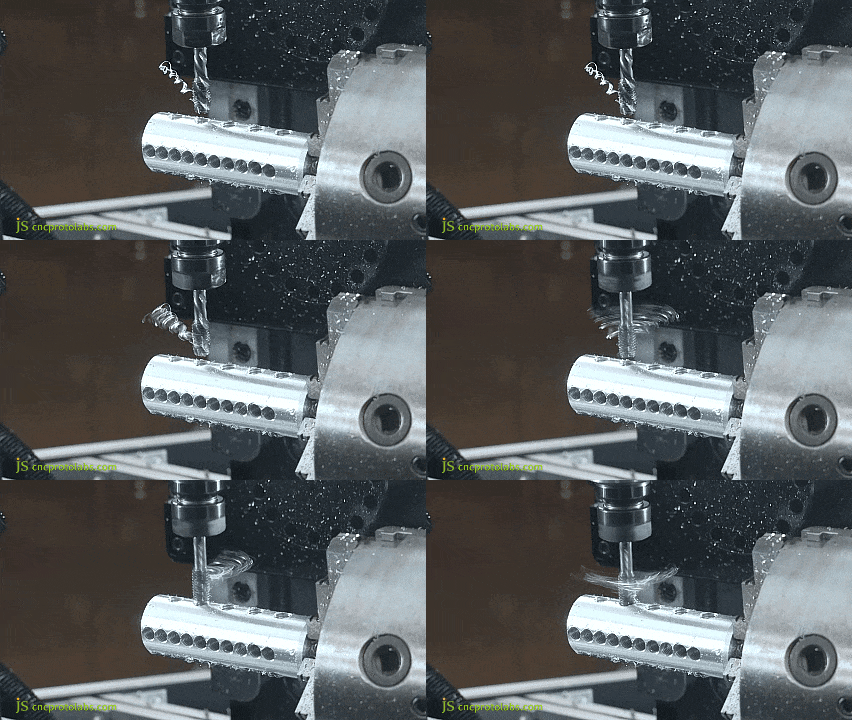
Figure 1 : Le foret rotatif perce des pièces en métal argenté sur la machine CNC.
Résumé des réponses clés
| Objectifs de la décision | Idées fausses et risques courants | La solution axée sur la valeur de JS Precision |
| Contrôle des coûts | Opter pour des services d'usinage CNC à bas prix tout en ignorant les retouches ultérieures, les risques liés à la qualité et les coûts engendrés par les retards. | Grâce à une analyse approfondie de la fabrication (DFM) et des sciences des matériaux, nous optimisons dès la phase de conception, en fournissant des solutions de sélection de matériaux et de processus d'usinage CNC véritablement rentables . |
| Garantie de précision | Certains pensent que la précision dépend uniquement de la marque de la machine-outil et négligent totalement la gestion thermique, la stratégie d'outillage et le contrôle des processus. | Au cœur de nos services d'usinage CNC de précision se trouve l'ingénierie des systèmes garantissant la stabilité de bout en bout. Nous assurons une répétabilité au micron près grâce à une fabrication en boucle fermée. |
| Réalisation des performances | Le choix des matériaux peut être « surdimensionné » ou « sous-dimensionné », ne correspondant pas au scénario d'application réel. | Nous sommes votre équipe d'ingénierie élargie, chargée d'analyser la charge, l'environnement et les exigences fonctionnelles afin de trouver le meilleur équilibre entre l'usinage CNC des métaux et des matériaux CNC plastiques pour votre commande. |
Sélection des matériaux pour l'usinage CNC : JS Precision vous aide à réduire vos coûts et à accroître votre efficacité.
Depuis 15 ans, JS Precision est un acteur majeur des services d'usinage CNC, spécialisé dans la fourniture de solutions d'usinage de précision personnalisées pour une clientèle internationale.
Notre équipe a géré plus de 5000 projets dans des secteurs tels que le médical, l'aérospatiale, l'automobile et l'électronique , et connaît bien les caractéristiques d'usinage CNC de plus de 20 matériaux, allant des alliages d'aluminium et de l'acier inoxydable aux alliages de titane et au PEEK.
Par exemple, nous avons optimisé le processus de fabrication des supports de moteur pour une entreprise aérospatiale. Ce projet respectait scrupuleusement la norme AS9100D relative au système de management de la qualité dans le secteur aérospatial, établie par l'International Aerospace Quality Group (IAQG). Grâce au remplacement de matériaux et à l'ajustement des processus, nous avons permis à notre client de réduire ses coûts unitaires de 30 %.
Nous avons également résolu le problème de la faible efficacité d'usinage des pièces en alliage de titane pour un client du secteur des équipements médicaux, raccourcissant ainsi le cycle de production de 25 %.
Nos ingénieurs possèdent en moyenne plus de 8 ans d' expérience professionnelle dans le secteur et ont réalisé plus de 1000 optimisations DFM pour aider nos clients à éviter des gaspillages de coûts importants dus à une conception inappropriée.
Ce guide est une synthèse de notre expérience pratique ; chaque suggestion a été validée par des projets réels, vous pouvez donc vous y référer en toute confiance.
Vous souhaitez éviter les détours grâce à des services d'usinage CNC professionnels ? Indiquez votre secteur d'activité et vos besoins principaux, et planifiez dès maintenant une consultation gratuite avec JS Precision. Nous vous mettrons en relation avec des ingénieurs expérimentés qui vous proposeront des solutions personnalisées en matière de matériaux et de procédés.
Comment optimiser véritablement les coûts grâce aux services professionnels d'usinage CNC ?
L'optimisation des coûts ne se limite jamais à la réduction des tarifs de main-d'œuvre ; elle englobe l'ensemble du processus , de la conception aux matériaux en passant par les procédés . C'est la différence fondamentale entre les services d'usinage CNC professionnels et les services classiques. La plupart des coûts cachés de l'usinage CNC proviennent de choix inappropriés en matière de conception, de matériaux et de processus.
L'efficacité de la conception est le principal levier de réduction des coûts.
Une bonne conception permet de réduire les coûts dès le départ. Nous recommandons de simplifier la géométrie des pièces, par exemple en convertissant les surfaces complexes en surfaces régulières, de standardiser les dimensions des éléments (comme l'utilisation de diamètres de perçage uniformes) et d'éviter l'usinage 5 axes inutile. La plupart des projets peuvent être réalisés avec 3 ou 4 axes, ce qui permet de réduire directement le temps de production de 30 à 50 %.
Gestion intelligente de l'utilisation des matériaux et des stocks
Ce logiciel de conception intelligent optimise la disposition des tôles et augmente le taux d'utilisation des matériaux de 60-70 % à plus de 85 %. De plus, l'utilisation de matériaux courants comme l'alliage d'aluminium 6061, l'acier inoxydable 304 et le PEEK permet d'éviter les surcoûts liés aux achats en petites séries.
Sélection intelligente des itinéraires de processus
Le remplacement de l'électroérosion par le fraisage à grande vitesse pour les pièces de dureté modérée améliore l'efficacité de plus de 2 fois, et l'intégration de nombreuses petites pièces en une seule pour l'usinage avant la découpe réduit le temps de serrage et de positionnement.
Quels facteurs déterminent en définitive le résultat de vos services d'usinage CNC de précision ?
L'essence même des services d'usinage CNC de précision réside dans la précision, qui exige la maîtrise de toutes les variables tout au long du processus. Nombre de clients pensent à tort que seule la précision de la machine-outil détermine la qualité des pièces ; en réalité, la stabilité thermique, l'état de l'outil et les méthodes de serrage influent également sur le résultat final.
La norme ISO 230-1:2012 de l'Organisation internationale de normalisation (ISO) relative à l'inspection des machines-outils fournit une méthode internationalement reconnue pour évaluer la précision géométrique des machines-outils et constitue la base de l'établissement d'un système complet de contrôle de la précision des processus.
Stabilité thermique : le fléau de la précision souvent négligé
L'atelier adopte une conception à température constante de 20±2℃. Les machines-outils sont préchauffées avant l'usinage et les stratégies de refroidissement sont adaptées aux caractéristiques du matériau pendant l'usinage (par exemple, refroidissement à haute pression pour les alliages de titane) afin d'éviter les écarts dimensionnels causés par la dilatation thermique de la machine-outil et l'élévation de température de la pièce.
Gestion du cycle de vie des outils
Le choix du revêtement des outils dépend du matériau : revêtement diamant pour l’alliage d’aluminium, revêtement TiAlN pour l’acier inoxydable. L’usure est contrôlée par analyse de données, ce qui permet d’établir des modèles prédictifs et de mettre en place un système de changement d’outils obligatoire afin de garantir la régularité d’usinage.
L'art du serrage et de la référence
Concevoir des dispositifs de fixation spécialisés pour les pièces complexes permettant de réaliser plusieurs processus dans une seule configuration de serrage, d'unifier les données de processus, de réduire les erreurs de positionnement et de contrôler les tolérances géométriques à ±0,01 mm près.
Comment concilier performance et budget grâce à des matériaux économiques pour l'usinage CNC ?
Pour choisir des matériaux économiques pour l'usinage CNC, il est essentiel de trouver un juste équilibre entre performance et coût, en évitant de surpayer. L'usinage CNC de l'aluminium offre de nombreuses applications, mais chaque matériau présente ses propres avantages. Nous vous recommanderons la solution optimale en fonction de la fonction de la pièce, de la charge et de l'environnement.
| Catégorie de matériaux | Niveaux communs | Force | usinabilité | résistance à la corrosion | Coût (USD/kg) | Scénarios applicables |
| Alliage d'aluminium | 6061 | Moyen | Excellent | Bien | 3-5 | Applications : Pièces de structure, généralités, logement. |
| Alliage d'aluminium | 7075 | Haut | Moyen | Moyen | 8-12 | Pièces à haute résistance, composants aérospatiaux. |
| Acier à faible teneur en carbone | A36 | Moyen | Bien | Moyenne | 2-4 | Supports structurels, éléments non porteurs. |
| Acier inoxydable | 304 | Moyen | Moyen | Excellent | 6-10 | Pièces résistantes à la corrosion, équipements médicaux. |
| Acier de décolletage | 12L14 | Moyen | Excellent | Moyenne | 4-6 | Pièces usinées en grande série, fixations. |
| Plastiques techniques | PEEK | Moyen | Moyen | Excellent | 80-100 | Pièces résistantes aux hautes températures, isolantes et résistantes à la corrosion. |
Le royaume des alliages d'aluminium : un choix rationnel du 6061 au 7075
Le 6061 offre un rapport qualité-prix exceptionnel et convient à la plupart des applications générales , tandis que le 7075 possède une résistance proche de celle de l'acier et est recommandé uniquement pour l'aérospatiale et d'autres applications à très haute résistance.
Gamme d'aciers économiques : acier à faible teneur en carbone, acier pré-trempé et acier inoxydable
L'A36 est le moins cher mais nécessite un traitement antirouille ultérieur, le 4140 ne nécessite aucun traitement thermique et peut être utilisé pour des pièces mécaniques de résistance moyenne, le 304 possède une excellente résistance à la corrosion et convient aux machines médicales et alimentaires.
Valeur cachée des alliages de décolletage
L'acier 12L14 et le laiton C36000 augmentent l'efficacité d'usinage de plus de 30 % tout en réduisant l'usure des outils de 50 %, ce qui signifie que ces matériaux sont généralement moins coûteux et donc appropriés pour les applications de tournage à grand volume.
JS Precision propose des matériaux économiques pour l'usinage CNC . Téléchargez vos plans de pièces avec leurs exigences de performance et recevez gratuitement nos recommandations de matériaux. Vous garantissez ainsi des performances optimales tout en maîtrisant votre budget et en évitant les dépenses superflues.
Quelles sont les étapes non négociables de la conception pour la fabrication (DFM) pour les services d'usinage CNC sur mesure ?
Le succès des services d'usinage CNC sur mesure repose sur une analyse de fabrication (DFM) rigoureuse. La plupart des clients conçoivent d'abord leurs pièces, puis recherchent un fabricant. Or, bien souvent, ils doivent procéder à des modifications importantes car la pièce ne répond pas aux exigences d'usinage, ce qui engendre des pertes de temps et d'argent.
JS Precision met en œuvre la conception pour la fabrication (DFM) dès le début d'un projet.
Étape 1 : Examen préliminaire de la conception et alignement des objectifs
La clarification des fonctions des pièces, des charges, des facteurs environnementaux et des objectifs budgétaires par les ingénieurs et les clients avant le prototypage définit la bonne direction pour l'optimisation et garantit qu'aucun travail supplémentaire ne survienne en raison de malentendus concernant les exigences.
Étape 2 : Analyse des fonctionnalités et suggestions de modification
Examiner systématiquement les caractéristiques clés , notamment le rayon des angles internes (recommandé ≥ 0,5 mm), le rapport d'aspect (≤ 4:1) et l'épaisseur des parois (métal ≥ 1 mm, plastique ≥ 2 mm). Fournir des solutions quantitatives pour la modification et expliquer les effets sur le coût et le rendement.
Étape 3 : Rationalisation des tolérances et annotation standardisée
Guider les clients dans la distinction entre les dimensions critiques et non critiques et les conseiller en matière d'annotation GD&T afin d'éviter de rechercher aveuglément une précision élevée et d'augmenter les coûts.
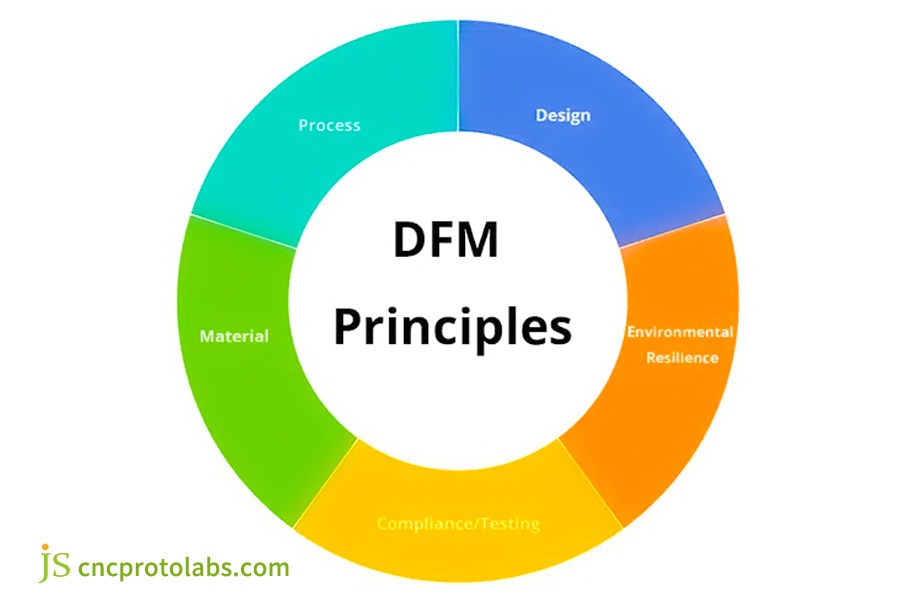
Figure 2 : Négliger les principes de conception pour la fabrication (DFM) peut entraîner des modifications coûteuses et des retards de production. L’application de ces principes est essentielle pour éviter ces problèmes.
Comment identifier et éviter les pièges des services d'usinage CNC bon marché ?
De nombreux clients sont facilement attirés par les bas prix proposés par les services d'usinage CNC bon marché , mais ils négligent généralement les compromis faits par le service en matière de matériaux, de processus et de contrôle de la qualité, et finissent donc par supporter les coûts de retouche, de rebut et de retard.
Sacrifier la cohérence des matériaux et des procédés :
Les fournisseurs à bas prix peuvent utiliser des matériaux non conformes ou de qualité inférieure, comme des alliages d'aluminium recyclés ou même des aciers inoxydables de qualité médiocre, ou appliquer des paramètres de coupe agressifs. Il en résulte une durée de vie réduite et une précision instable des pièces.
Contrôle qualité sous pression :
Sans contrôle du premier article, sans rapports dimensionnels complets et sans contrôle du processus, les risques liés à la qualité sont directement répercutés sur les clients, et lorsqu'un problème survient, les pertes sont irréparables.
Lacunes en matière de communication et de soutien :
Une gestion de projet professionnelle et un soutien technique inadéquats entraînent un rejet des responsabilités en cas de problème, ce qui provoque des litiges, des retards dans les projets et les lancements de produits.
Vous souhaitez éviter les pièges des services d'usinage CNC à bas prix ? Contactez JS Precision, indiquez « Éviter les risques liés aux prix bas » et soumettez vos exigences pour obtenir notre manuel de contrôle qualité et comprendre les normes fondamentales de nos services d'usinage professionnels.
Quels sont les défis uniques liés à l'usinage CNC du titane ?
Bien que les alliages de titane soient largement utilisés dans les domaines aérospatial et médical, les difficultés liées àl'usinage CNC des métaux sont beaucoup plus importantes qu'avec les alliages d'aluminium et l'acier inoxydable, représentant ainsi le test ultime des capacités techniques.
Les doubles défis de la faible conductivité thermique et de l'écrouissage
La conductivité thermique des alliages de titane étant très faible, l'outil s'use rapidement en raison de la chaleur générée lors de l'usinage , et un écrouissage important se produit. Nous y remédions grâce à une stratégie de refroidissement continu sous haute pression, à faible vitesse et à avance rapide.
Réactivité chimique élevée et phénomène de « collage des outils »
À haute température, le titane réagit fortement avec les matériaux d'outillage, et les copeaux ont tendance à se souder au tranchant. Les outils à revêtement spécial, comme l'AlTiN , associés à un fluide de coupe haute pression, permettent une évacuation optimale des copeaux.
Défis liés au contrôle dimensionnel dus à la déformation élasto-plastique
Les alliages de titane possèdent une « mémoire élastique » qui provoque un retour à leur forme initiale après usinage. Nous garantissons la précision dimensionnelle finale grâce à une programmation de compensation et à de multiples opérations de microfinition.
Vous recherchez des services d'usinage CNC professionnels pour vos alliages de titane ? JS Precision possède une vaste expérience dans ce domaine et dispose d'équipements et d'outils spécialisés pour relever tous les défis liés à l'usinage des alliages de titane. Confiez-nous vos besoins en pièces en alliage de titane et nous vous proposerons des solutions d'usinage sur mesure.
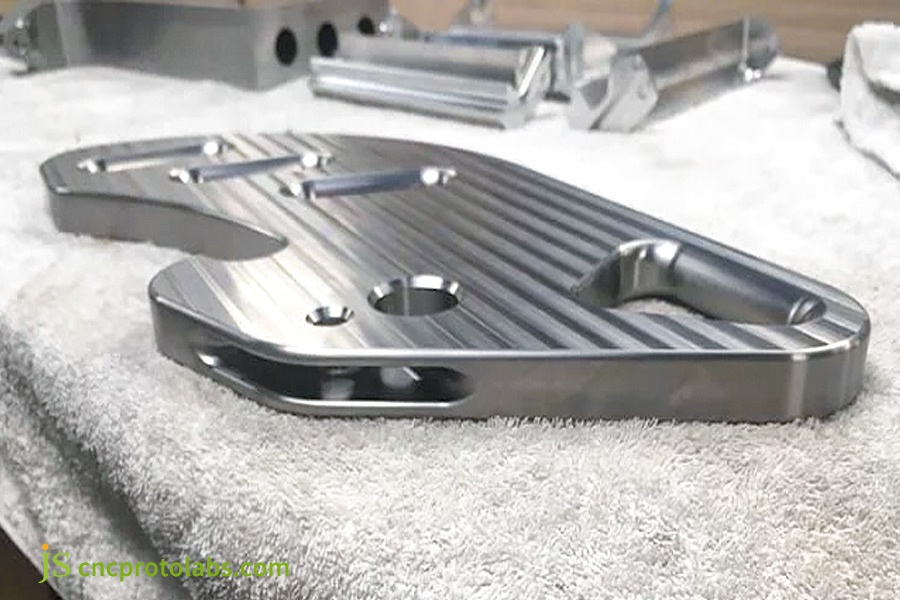
Figure 3 : Grâce à ses excellentes performances, le titane est l’un des matériaux les plus utilisés en usinage CNC. Cependant, son usinage présente également de nombreux défis.
Quand les matériaux plastiques usinés par CNC sont-ils supérieurs aux pièces usinées CNC conventionnelles en aluminium ?
Traditionnellement, les clients optent toujours pour l'usinage CNC de l'aluminium, mais dans de nombreuses applications, l'utilisation de matériaux plastiques CNC présente des avantages distincts.
Léger et doté d'avantages naturels en matière d'isolation et de résistance chimique
Des matériaux comme le PEEK et le PEI ont une densité deux fois inférieure à celle des alliages d'aluminium. Naturellement isolants, résistants aux interférences électromagnétiques et très résistants à la corrosion chimique, ils sont largement utilisés dans les secteurs médical, aérospatial et chimique.
Faible coefficient de frottement et propriétés autolubrifiantes
Les coefficients de frottement de l'acétal (POM) et du PTFE étant très faibles, aucune lubrification externe n'est nécessaire. L'acétal (POM) et le PTFE s'usent moins vite que les métaux dans les applications de transmission telles que les engrenages et les bagues de roulement, ce qui réduit les coûts de maintenance.
Prototypage rapide et production en petites séries de structures complexes
Les matières plastiques offrent des vitesses de traitement rapides, une usure des outils réduite et une modification aisée des structures complexes. En production de petites séries, les coûts sont inférieurs de plus de 25 % à ceux des alliages d'aluminium, avec une réduction de 40 % des temps de cycle.
Quels sont les paramètres de processus critiques pour la finition de surface des pièces usinées CNC ?
L'aspect, le fonctionnement et la durée de vie des pièces usinées par commande numérique dépendent directement de l'état de surface. Cela exige un contrôle précis des paramètres de coupe, du choix des outils et des stratégies de trajectoire.
Le « triangle de fer » des paramètres de coupe : vitesse linéaire, avance, profondeur de coupe
La qualité de surface est déterminée par la combinaison de ces trois éléments : une vitesse linéaire élevée, une vitesse d’avance moyenne et une profondeur de coupe appropriée conviennent à la finition des alliages d’aluminium, jusqu’à Ra 0,8. Il est nécessaire d’éviter les vitesses linéaires excessivement élevées qui créent des brûlures ou les vitesses linéaires excessivement faibles qui créent de la rugosité.
Le rôle essentiel du choix de l'outil : nombre de cannelures, géométrie et revêtement
Les fraises à plusieurs dents garantissent une coupe beaucoup plus fine, et leurs pointes acérées sont idéales pour la finition. Le revêtement diamant est adapté aux métaux non ferreux, tandis que le revêtement TiAlN est plus adapté aux aciers, car il améliore la stabilité d'usinage.
Effet global de la stratégie de trajectoire et du franchissement
Le fraisage en avalant offre la meilleure qualité de surface . Les passes de finition sont calculées en fonction de la valeur Ra souhaitée, par exemple Ra 1,6 = 5 à 10 % du diamètre de l'outil, en association avec une trajectoire de fraise de finition pour éliminer les marques de vibration.
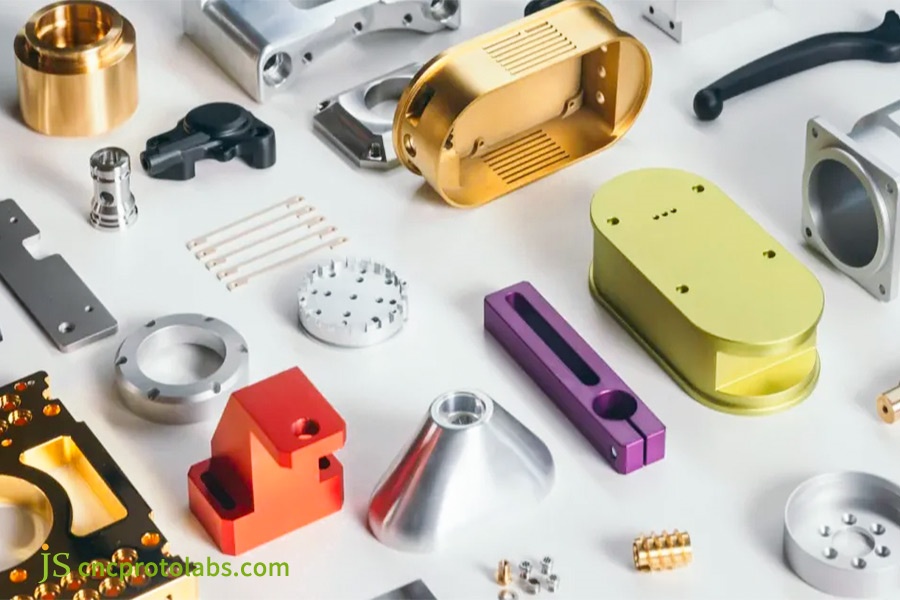
Figure 4 : La régularité de la surface est influencée par divers facteurs, tels que les outils de coupe, les paramètres d'usinage, les propriétés des matériaux et les techniques de post-traitement.
Réduction de poids de 35 %, réduction des coûts de 20 % : Refonte du boîtier d'équipements haut de gamme avec remplacement du PEEK et conception pour la fabrication (DFM)
Dans le domaine de l'usinage CNC sur mesure , l'association de l'optimisation DFM et du remplacement de matériaux donne très souvent des résultats exceptionnels . Nous avons notamment travaillé avec un client du secteur des dispositifs médicaux dont le boîtier d'un équipement de test haut de gamme présentait de nombreux problèmes ; la solution d'optimisation a permis d'obtenir des améliorations significatives.
Solution client d'origine :
Le client avait initialement utilisé un alliage d'aluminium 6061 pour l'usinage CNC du boîtier. De ce fait, le boîtier pesait 3,5 kg , ce qui affectait la portabilité de l'appareil.
Le boîtier métallique interférait également légèrement avec les capteurs de précision internes par voie électromagnétique, ce qui nécessitait une couche isolante supplémentaire et des étapes d'assemblage supplémentaires, pour un coût total de 280 $ par unité.
Solution de précision JS :
Les exigences étaient arrivées, et nos ingénieurs ont immédiatement procédé à une analyse DFM détaillée et ont proposé une solution globale combinant « révolution des matériaux + reconstruction structurelle + intégration des processus ».
Concernant les matériaux, nous avons suggéré d'utiliser du PEEK chargé à 30 % de fibres de carbone comme matériau principal. Ce type de plastique usiné CNC présente une résistance proche de celle de l'alliage d'aluminium 6061, mais une densité deux fois moindre. Il permet ainsi une conception légère, une isolation naturelle et une résistance aux interférences électromagnétiques ; par conséquent, l'ajout d'une couche d'isolation supplémentaire n'est pas nécessaire.
Nous avons repensé la structure de la coque pour adopter une approche modulaire, de type kit, sans la cavité profonde du modèle original, ce qui a simplifié l'usinage. Nous avons standardisé les dimensions de tous les éléments de connexion pour faciliter l'assemblage. Enfin, nous avons optimisé la répartition de l'épaisseur des parois afin d'obtenir des gains de poids supplémentaires sans compromettre la résistance.
En matière de fabrication, nous avons pré-intégré des inserts dans les zones clés des connecteurs métalliques. Grâce à un procédé spécifique, la liaison entre le plastique et le métal est assurée de manière fiable, sans les risques de desserrage associés aux méthodes d'assemblage traditionnelles.
Résultats:
Le poids final de la coque a été réduit à 2,3 kg (soit une réduction de 35 %), les interférences électromagnétiques ont été éliminées, la précision de détection a été améliorée de 15 %, le processus d'assemblage de la couche isolante a été supprimé et le coût unitaire a été réduit à 224 $ (soit une réduction de 20 %). La production en série de 1 000 unités permettrait d'économiser 56 000 $ .
Outre la résolution de tous les problèmes rencontrés par les clients, cette solution a également permis de moderniser les bases des produits, renforçant ainsi leurs avantages concurrentiels sur le marché.
Vous souhaitez réaliser des économies et des gains d'efficacité significatifs ? Veuillez nous soumettre les exigences et les points faibles de vos pièces, et JS Precision vous proposera des solutions personnalisées d'optimisation DFM et de remplacement de matériaux pour vous aider à atteindre des performances et des coûts exceptionnels grâce à ses services d'usinage CNC sur mesure.
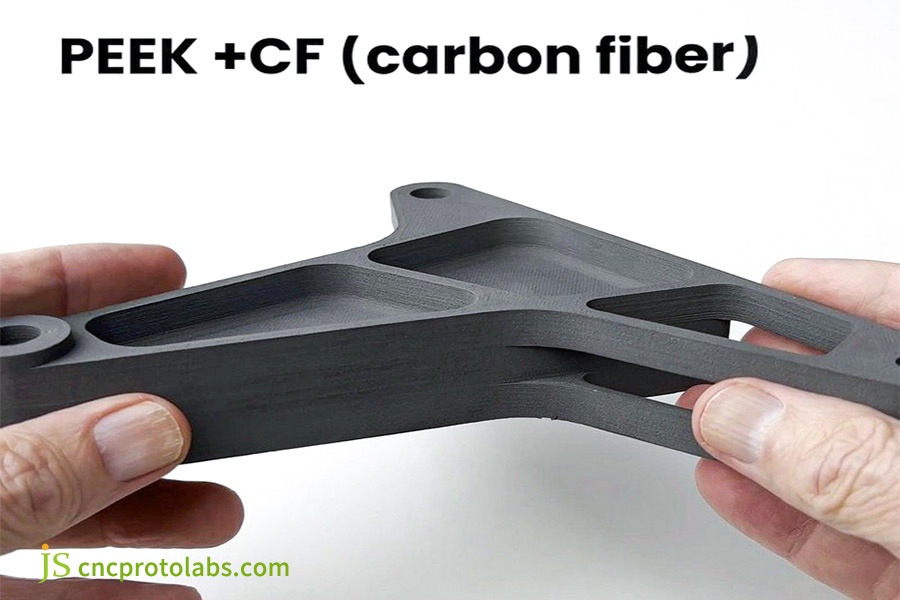
Figure 5 : Pièces en fibre de carbone PEEK
FAQ
Q1 : Comment obtenir un devis instantané via votre plateforme en ligne ?
Il vous suffit de télécharger votre fichier 3D ou votre dessin PDF au format STEP/IGES et de sélectionner les matériaux, la quantité à produire et les exigences de traitement de surface. Notre moteur d'IA, associé à notre base de données de procédés, vous fournira un devis clair et précis en quelques minutes.
Q2 : Quelles sont les tolérances typiques réalisables en usinage CNC de précision ?
Pour les pièces métalliques de taille moyenne, nos services d'usinage CNC de précision standard peuvent atteindre une haute précision jusqu'à ±0,025 mm ; dans certains cas exigeants, un contrôle de processus spécial peut fournir une précision de ±0,01 mm , voire plus.
Q3 : Entre l'aluminium et l'acier inoxydable, lequel serait le plus coûteux à usiner sur une machine CNC ?
De manière générale, l'usinage de l'acier inoxydable par commande numérique est plus coûteux. Cela s'explique par la dureté de l'acier inoxydable et son fort écrouissage, qui entraînent une usure plus rapide des outils et des temps d'usinage plus longs, augmentant ainsi le coût global de l'usinage.
Q4 : Comment puis-je savoir si le fournisseur est « à bas prix » ou « performant » ?
Vous pouvez leur demander en quoi consiste le processus DFM, s'ils proposent une inspection du premier article et des rapports complets, comment leur équipement est configuré et quelle est l'expérience de leurs ingénieurs à ce sujet. Des services de haute qualité et rentables doivent clairement démontrer le processus de création de valeur plutôt que la simple réduction des prix.
Q5 : Le plastique PEEK peut-il remplacer l’aluminium pour les composants structurels ?
Le PEEK est un matériau plastique usiné CNC qui pourrait remplacer l'aluminium dans la plupart des pièces structurelles grâce à sa légèreté, ses propriétés isolantes, sa résistance à la corrosion et son aptitude à supporter des charges d'impact modérées. Sa résistance spécifique élevée répond à la plupart des exigences structurelles.
Q6 : Existe-t-il une différence significative dans le coût de traitement entre une rugosité de surface Ra 0,8 et Ra 3,2 ?
Les coûts de traitement sont très différents . Des outils de finition spéciaux et des vitesses d'avance plus lentes sont nécessaires pour Ra 0,8, et des opérations de polissage supplémentaires sont parfois requises. Cela augmente le coût de près de 30 à 50 % par rapport à Ra 3,2.
Q7 : Est-il également possible d'utiliser les services DFM et d'optimisation des coûts pour de petits lots, par exemple 10 pièces ?
Bien entendu, JS Precision propose des services d'optimisation de la conception pour la fabrication (DFM) et des processus pour les commandes de toute taille de lot . L'optimisation de la conception pour la fabrication sur de petits lots permet de réduire les coûts de production en série futurs sans gaspiller d'investissements dans des solutions redondantes.
Q8 : Quel est le délai de livraison normal entre la passation de la commande et sa réception ?
L'usinage CNC de pièces, réalisées avec des matériaux standards et présentant une conception moyennement complexe, prendra 5 à 10 jours pour les prototypes et 2 à 4 semaines pour les petites séries. Les délais précis seront indiqués dans le devis.
Résumé
La sélection scientifique des matériaux, une conception DFM rigoureuse et une optimisation professionnelle des processus sont les clés d'un équilibre idéal entre performance et coût dans l'usinage CNC.
En tant que prestataire expérimenté en usinage CNC, JS Precision met systématiquement à profit ses nombreuses années d'expérience pratique dans chaque projet de ses clients. Du choix des matériaux à l'optimisation des processus, du contrôle de précision à la réduction des coûts, nous proposons des solutions complètes.
Il s'agit désormais davantage de faire appel au savoir-faire en ingénierie que de comparer les prix.
Démarrez votre projet d'optimisation dès maintenant ! Rendez-vous sur le site web de JS Precision pour télécharger la conception de votre pièce . Vous recevrez non seulement un devis, mais surtout un rapport d'analyse du potentiel d'optimisation des performances et des coûts, réalisé par notre équipe d'ingénieurs expérimentés. Collaborons pour redéfinir la valeur ajoutée de la fabrication de votre produit.

Clause de non-responsabilité
Le contenu de cette page est fourni à titre informatif uniquement. JS Precision Services n'offre aucune garantie, expresse ou implicite, quant à l'exactitude, l'exhaustivité ou la validité des informations. Il ne faut pas en déduire qu'un fournisseur ou fabricant tiers fournira, par l'intermédiaire du réseau JS Precision, les paramètres de performance, les tolérances géométriques, les caractéristiques de conception spécifiques, la qualité et le type des matériaux ou la qualité de la fabrication. Il est de la responsabilité de l'acheteur de demander un devis pour les pièces et de préciser ses exigences concernant ces sections. Veuillez nous contacter pour plus d'informations .
Équipe de précision JS
JS Precision est une entreprise leader du secteur , spécialisée dans les solutions de fabrication sur mesure. Forte de plus de 20 ans d'expérience et de plus de 5 000 clients, elle propose des services complets de fabrication, notamment l'usinage CNC de haute précision, la fabrication de tôlerie , l'impression 3D , le moulage par injection , l'emboutissage et d'autres prestations de fabrication intégrées.
Notre usine est équipée de plus de 100 centres d'usinage 5 axes de pointe, certifiés ISO 9001:2015. Nous fournissons des solutions de fabrication rapides, efficaces et de haute qualité à des clients dans plus de 150 pays à travers le monde. Qu'il s'agisse de petites séries ou de personnalisations à grande échelle, nous répondons à vos besoins avec une livraison express sous 24 heures. Choisir JS Precision, c'est opter pour l'efficacité, la qualité et le professionnalisme.
Pour en savoir plus, consultez notre site web : www.cncprotolabs.com
Ressource