English



/01
Quality Assurance
Our ISO 9001 certified standardized processes and in-line inspection ensure consistent quality at a competitive cost, ideal for R&D and small-batch applications.
Cost-effective Fused Deposition Modeling for prototypes and functional parts with reliable strength. Stable extrusion ensures consistent quality, supporting rapid verification and mid-volume production with up to 40% cost reduction.
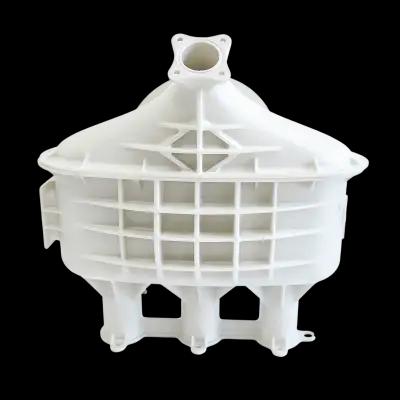
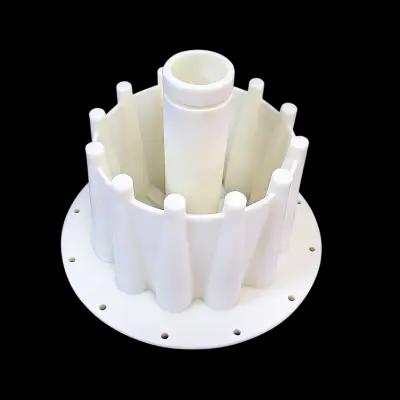
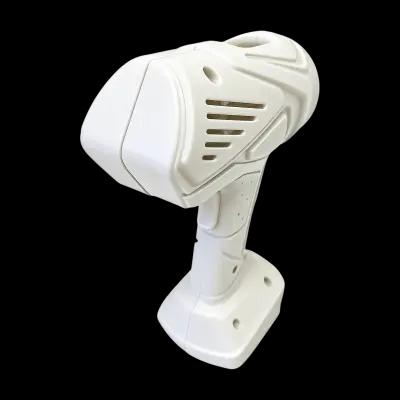
Upload Your Design & Get an Instant Quote Now!
Get instant pricing, project lead times, and DFM feedback
STEP | STP | STL | OBJ | IGS | 3MF | SLDPRT files
File size: 15MB
Trusted by Engineers and Purchasing Leaders at the World's Most Successful Companies









JS Precision delivers 0.3% dimensional accuracy across 18,000+ projects, backed by 15+ years of expertise, ISO 9001:2015 certification, and 99.8% on-time delivery.
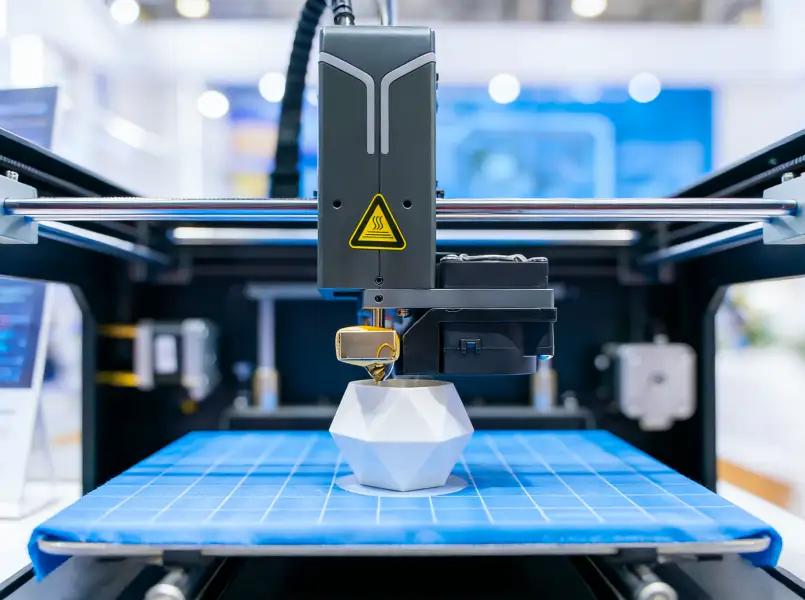
Standardized production processes deliver prototypes in 2-4 business days, reducing lead times by 50% compared to traditional manufacturing.
Offers practical materials such as ABS, PLA, and PETG, balancing performance and cost for most verification scenarios.
Supports 1-100 piece low-volume customization without mold opening, meeting multi-variety iteration needs.
Provides common post-processing such as support removal, sanding, and painting to quickly enhance part practicality and appearance.
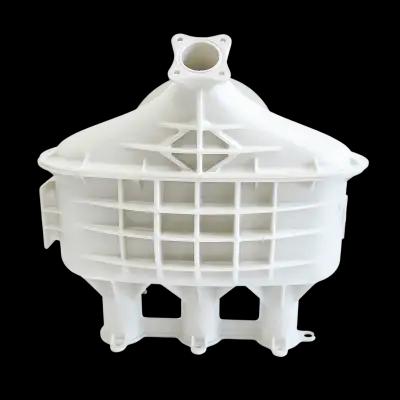
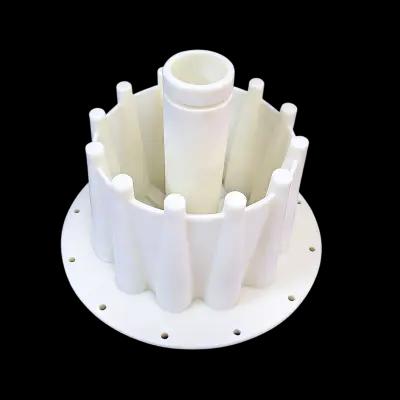
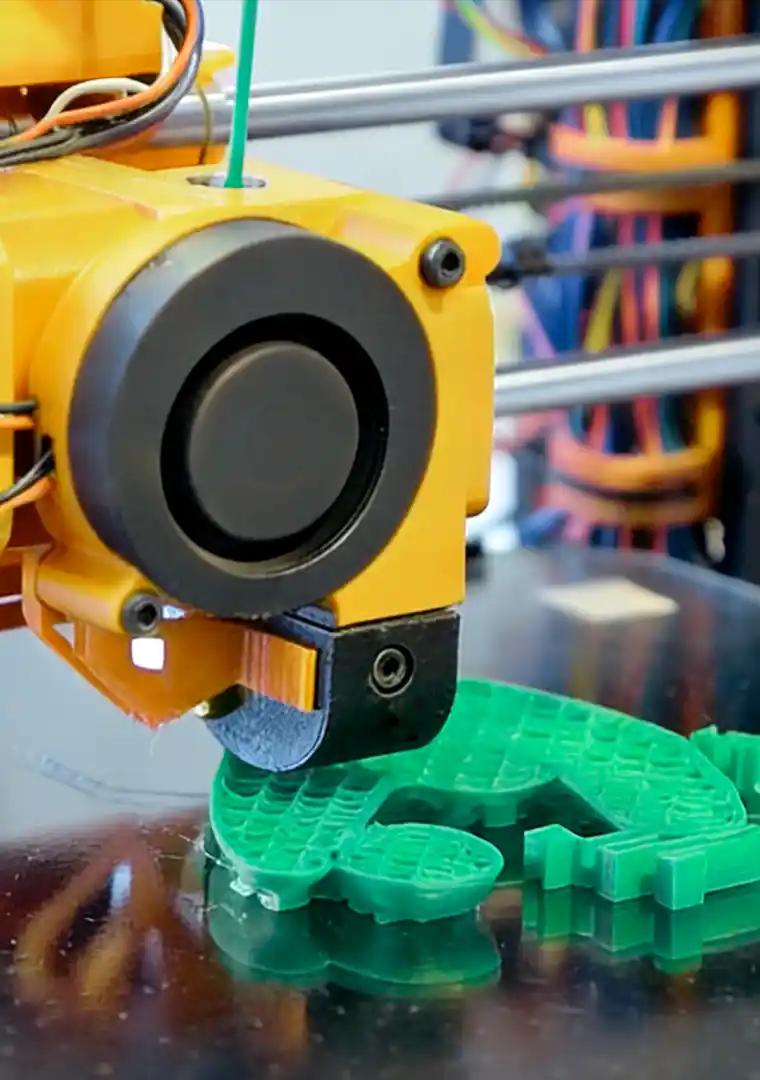
FDM (Fused Deposition Modeling) is a 3D printing technology that melts filament materials via a heated nozzle and builds parts layer by layer, rapidly producing prototypes and functional parts with reliable structures.
Without complex tooling, it is ideal for rapid verification and low-volume production, widely used in consumer product prototypes, educational models, and industrial fixtures, making it an efficient and cost-effective manufacturing solution.
Our cost-effective FDM design guidelines balance precision and efficiency, with optimized specifications tailored for R&D and low-to-medium volume production.
| Parameter | Category | US Units | Metric Units |
|---|---|---|---|
| Max Part Size | Prototyping FDM | Up to 19.00 in. × 19.00 in. × 19.00 in. | Up to 483 mm × 483 mm × 483 mm |
| Industrial FDM | Up to 16.00 in. × 14.00 in. × 16.00 in. | Up to 400 mm × 350 mm × 400 mm | |
| Dimensional Accuracy | Prototyping FDM | ±0.45% with a lower limit of ±0.018 in. | ±0.45% with a lower limit of ±0.45 mm |
| Industrial FDM | ±0.28% with a lower limit of ±0.011 in. | ±0.28% with a lower limit of ±0.28 mm | |
| Unsupported/Supported Walls | Minimum 0.030 in. | Minimum 0.75 mm | |
| Minimum Feature Size | 0.070 in. | 1.8 mm | |
| Minimum Hole Diameter | 0.070 in. | 1.8 mm | |
| Layer Height Options | From 80–300 μm | ||
| Infill Options | 10–100% adjustable (light to solid) to suit strength requirements | ||
Our FDM materials are tailored for R&D agility and cost-effective small-batch production. Prototyping materials prioritize ease of use and rapid iteration, while industrial-grade options deliver reliable performance for functional end-use parts.
Easy to print with a smooth surface finish, biodegradable, and ideal for visual prototypes, consumer product models, and early-stage design validation.
Carbon fiber-reinforced nylon for high strength and toughness, suitable for functional prototypes and small-batch production parts requiring durability.
| Tolerance Note | Description |
|---|---|
| General Tolerance (Industrial Grade) | ± single layer height for the first inch, and ±0.0018" for every inch thereafter (equivalent to ±0.28% overall accuracy, minimum ±0.011") |
| General Tolerance (Prototyping Grade) | ± single layer height for the first inch, and ±0.0020" for every inch thereafter (equivalent to ±0.45% overall accuracy, minimum ±0.018") |
| Build Size | Prototyping FDM: Up to 19.00 in × 19.00 in × 19.00 in |
| Industrial FDM: Up to 16.00 in × 14.00 in × 16.00 in | |
| Layer Height (part height < 16") | 0.003"–0.010" (80–250 μm), material-dependent |
| Layer Height (part height ≥ 16") | 0.010"–0.012" (250–300 μm) |
| Minimum Wall Thickness (part height < 16") | 0.030" (0.75 mm) |
| Minimum Wall Thickness (part height ≥ 16") | 0.032" (0.8 mm) |
FDM parts are produced with breakaway support material that is removed post-printing, leaving a surface with visible layer lines. This cost-effective finish is ideal for R&D prototypes and small-batch internal components.
Your R&D and small-batch projects need reliable, cost-effective parts. Our FDM 3D printing services deliver consistent quality with agile support, accelerating your design cycles and production timelines.
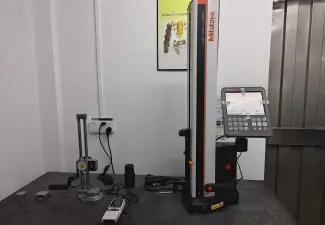
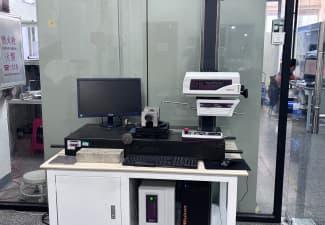
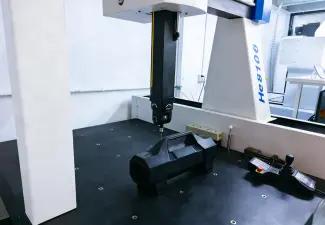
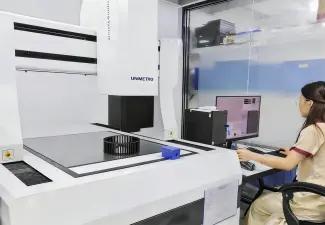
Our ISO 9001 certified FDM processes follow standardized quality control systems, providing a solid foundation for R&D and low-to-medium volume production.
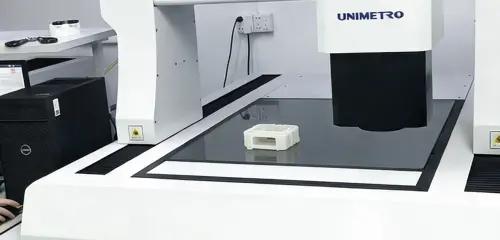
We utilize standardized FDM equipment, an agile engineering team, and in-process inspection to ensure dimensional accuracy and functional performance for every prototype and small-batch run.
From order confirmation to final delivery, key quality checkpoints are documented and shared, giving you full visibility into production progress and ensuring confidence in every part.
With JS Precision's FDM 3D printing services, you get cost-effective quality, agile delivery, and flexible on-demand manufacturing for R&D and small-batch production.
Our ISO 9001 certified standardized processes and in-line inspection ensure consistent quality at a competitive cost, ideal for R&D and small-batch applications.
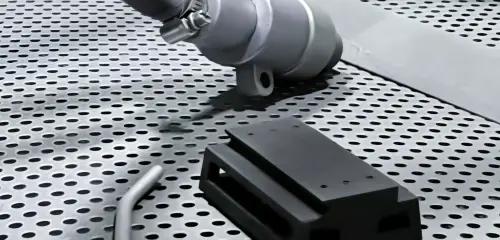
Streamlined workflows and automated post-processing enable fast, predictable lead times, accelerating your design iterations and time-to-market.
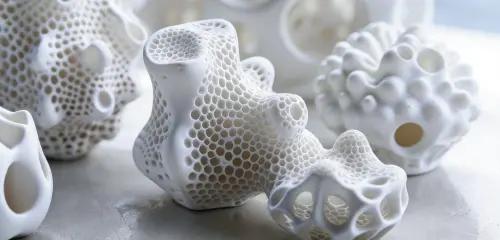
We support flexible production from single prototypes to medium batches, with rapid design adjustments and material options tailored to your project's evolving needs.
Precision
FDM ensures reliable dimensional accuracy of parts, meeting the precision requirements of R&D prototypes and small-batch production components, and supporting accurate verification of product design schemes.
Strength
FDM parts are made of durable thermoplastics with balanced flexibility and impact resistance, which can perfectly simulate the performance of finished products and meet the functional test requirements of R&D prototypes.
Large Build Volume
Our FDM large build platform can realize the simultaneous rapid production of multiple small R&D components, greatly improving the efficiency of prototype verification and small-batch trial production.
Fast Turnaround
FDM abandons the complex mold opening process, and can quickly produce prototypes and small-batch parts in a short time, effectively accelerating the design iteration speed of R&D projects.
Genuine Thermoplastics
We use authentic thermoplastics covering multiple performance types, which are safe and reliable, and can accurately match the material needs of different R&D and small-batch production projects.
On-Demand Production
FDM printers can produce end-use parts on demand, reduce the cost of mold opening and inventory backlog, improve the production efficiency of small batches, and help you launch new products to the market faster.
FDM delivers agile, cost-effective solutions for rapid innovation and low-volume production
FDM enables fast creation of physical design snapshots for consumer electronics, robotics, and automotive R&D. Its low upfront cost and speed support quick iteration of early-stage concepts to validate design feasibility.
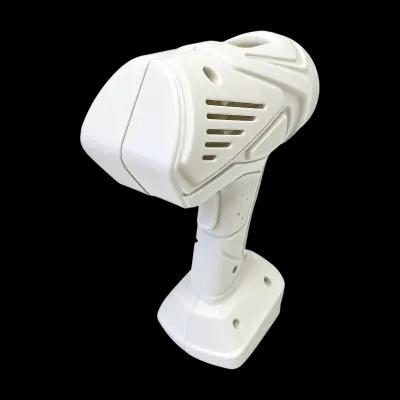
FDM produces functional prototypes that balance flexibility and durability, ideal for testing snap-fit assemblies, ergonomic features, and mechanical performance in R&D projects. This accelerates design cycles and reduces development risk.
FDM creates lightweight jigs, fixtures, and assembly aids for small-batch production, reducing tooling costs and lead times. These tools are ideal for supporting agile production of consumer products and electronic components.
We offer a diverse range of prototyping and production-grade materials, including easy-to-print PLA, durable ABS, flexible TPU, and food-safe PETG, matching the functional needs of different R&D projects.
Yes. For low-to-medium volume production, FDM parts meet end-use requirements in consumer electronics, robotics, and other fields, with reliable mechanical performance and cost advantages.
We provide standard and custom finishes. Custom options include vapor smoothing, media blasting, and dyeing, which enhance surface aesthetics and functionality for R&D demonstrations and small-batch deliveries.
Prioritize printability, such as optimizing supports and wall thickness. Our agile engineering team provides rapid DFM feedback to improve R&D efficiency.
FDM eliminates tooling costs, significantly reducing upfront expenses for R&D prototypes and small-batch production. Fast turnaround also shortens project cycles, improving overall cost-effectiveness.
Our processes are ISO 9001 certified, with materials and processes complying with consumer product standards. For higher-level compliance, we can provide relevant material validation documentation.
FDM's key strengths include operational flexibility, low material costs, and suitability for rapid iteration, making it ideal for frequent design changes and prototype validation in R&D projects.
Yes. FDM can directly print complex prototypes with snap-fits, hollow features, and integrated components without additional tooling, accelerating design validation in R&D projects.
By selecting appropriate materials, FDM parts offer balanced flexibility and impact resistance, meeting functional testing needs for R&D prototypes and small-batch products.
Most of our thermoplastics are recyclable, with minimal waste in production. Some materials are biodegradable, aligning with sustainability goals in R&D projects.
Stay informed with the latest updates and announcements from JS Precision. Learn about our most recent projects.